Volcanoes National Park is located in the larger exploding Virunga volcanic region that region that expands into DR Congo and Uganda. It is one of the three other only habitats for mountain gorillas on the planet and the only possible destinations for mountain gorilla trekking expeditions in Rwanda.
Nestled in the stunning northwestern part of Rwanda, Volcanoes National Park offers visitors a gateway to one of the most biodiverse regions in Africa. This park, which forms part of the larger Virunga Conservation Area, spans Rwanda, Uganda, and the Democratic Republic of Congo. It’s truly a crown jewel of Rwanda, offering unforgettable experiences for nature lovers and adventure seekers alike.
ACTIVITIES IN VOLCANOES NATIONAL PARK
Volcanoes National Park in Rwanda offers a variety of activities that immerse visitors in both its unique wildlife and vibrant culture. Here are the main activities that take place in the park:
- Gorilla Trekking in Volcanoes National Park, Rwanda.
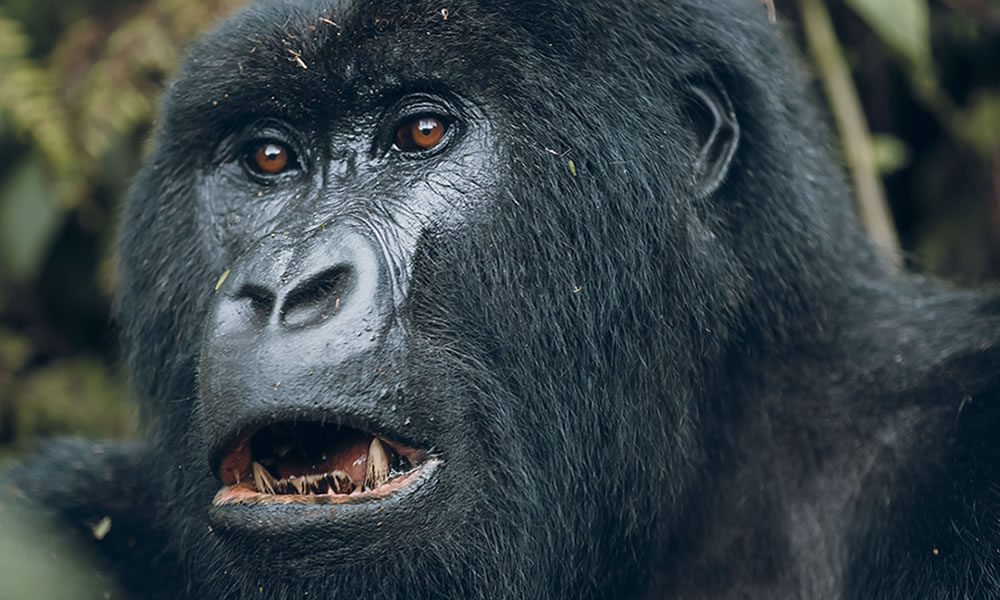
Gorilla trekking in Volcanoes National Park is nothing short of magical. Imagine standing in a lush, misty forest in northwestern Rwanda, surrounded by the towering Virunga mountains and knowing that just ahead, a family of endangered mountain gorillas awaits your visit. This incredible experience offers a rare chance to witness these magnificent creatures in their natural habitat, making it a must for anyone who loves wildlife and adventure.
The Trekking Experiencein Volcanoes National Park
Your gorilla trekking adventure begins early in the morning at the park headquarters in Kinigi. As you gather with fellow trekkers, the mood is charged with enthusiasm and eagerness. After a warm welcome and a briefing from park rangers, you’re divided into small groups, ensuring a more intimate experience with the gorillas. Each group is assigned a specific gorilla family, and you’re accompanied by knowledgeable guides and trackers who know the forest like the back of their hand.
The trek itself can be a thrilling journey. It might last just a couple of hours or extend into a full day, depending on where the gorillas are located. As you hike through dense vegetation, often navigating steep and muddy trails, you can’t help but feel a sense of adventure. The forest is alive with sound birds chirping, leaves rustling, and perhaps even the distant call of a gorilla. Along the way, you might encounter playful golden monkeys or colorful bird species, adding to the thrill of the experience.
When you finally catch a glimpse of the gorillas, your heart races. Spending one hour in their presence feels surreal. You watch as they go about their day, interacting with one another, grooming, and even playing. There’s something profoundly moving about observing these gentle giants in their natural environment, especially knowing they share over 98% of our DNA. It’s a moment that can evoke tears of joy and a deep appreciation for wildlife.
The Mountain Gorillas in Volcanoes National Park
Mountain gorillas are truly unique. Living in family groups led by a silverback an older male, these animals exhibit incredible social bonds. Watching the interactions among family members is a very heartwarming experience. You might see a mother tenderly caring for her baby or the silverback asserting his authority with a gentle yet commanding presence. The opportunity to witness their daily life is a gift that few get to experience.
Given that there are fewer than 1,000 mountain gorillas left in the wild, every sighting feels significant. These magnificent creatures have become a symbol of conservation success, thanks in part to the dedicated efforts of conservationists and local communities.
Conservation and Permits acquisition for gorilla trekking in Volcanoes National Park
To embark on this unforgettable journey, you need to secure a gorilla trekking permit, which costs USD 1,500 for international visitors. While this may seem steep, it’s essential to remember that this fee directly contributes to gorilla conservation and local community development. Your participation helps fund anti-poaching initiatives, healthcare for the gorillas, and community projects that improve the lives of those living near the park.
This investment ensures that the story of the mountain gorillas continues, allowing future generations to share in this incredible experience.
Preparing for the Trekin Volcanoes National Park
While gorilla trekking is accessible to many, a reasonable level of physical fitness is helpful. The terrain can be challenging, so dressing appropriately is key. Wear sturdy hiking boots and long sleeves, and don’t forget a waterproof jacket as Rwanda’s weather can be unpredictable! Bringing a walking stick can also be helpful for navigating the uneven ground.
Before heading out, you’ll receive important guidelines to follow during the trek. These rules are in place to protect both the gorillas and yourself. Maintaining a distance of at least 10 meters from the gorillas is crucial to avoid transmitting any diseases. You’ll be asked to keep quiet, avoid sudden movements, and refrain from eating or drinking near them as well as keep under a mask in their presence.
The Impact of Your Visit to Volcanoes National Park
Participating in gorilla trekking is not just an adventure; it’s a contribution to a larger cause. The money raised from permits plays a vital role in protecting these incredible animals and their habitat. Moreover, local communities benefit from the tourism industry, creating alternative livelihoods that reduce the temptation to poach or encroach on gorilla habitats.
By choosing to go on this trek, you’re becoming part of a conservation story that spans decades. Your visit supports not just the mountain gorillas but also the people who live alongside them, fostering a sense of coexistence.
Gorilla trekking in Volcanoes National Park is an experience like no other; a heartwarming blend of adventure, wildlife, and conservation. As you navigate the misty trails and stand in awe of the mountain gorillas, you’ll find yourself transformed by the beauty of nature and the importance of protecting it. Whether you’re a seasoned traveler or a first-time adventurer, this journey will leave an indelible mark on your heart, reminding you of the profound connections that exist between humans and the natural world.
- Golden Monkey Trekking in Volcanoes National Park, Rwanda
Golden monkey trekking in Volcanoes National Park is more than just an activity; it’s a joyful experience that immerses you in the vibrant life of one of Africa’s most charming primates. Picture yourself wandering through lush bamboo forests, surrounded by the stunning backdrop of the Virunga mountains, all while anticipating the playful antics of golden monkeys.
The Trekking Experience in Volcanoes National Park
Your adventure kicks off early in the morning at the park headquarters in Kinigi, where a warm welcome awaits you. As you gather with fellow travelers, the vibe is absolutely buzzing as is everyone eager to catch a glimpse of these delightful creatures. After a briefing from your guides about what to expect and how to ensure both your safety and the monkeys’ well-being, you’re ready to set off.
The trek begins as you follow a well-trodden path into the heart of the bamboo forest. Unlike gorilla trekking, which can be quite strenuous, golden monkey trekking is generally more accessible, making it a great option for a variety of fitness levels. As you hike, the sounds of the forest envelop you; birds chirping, leaves rustling, and the occasional chatter of monkeys overhead. The air is fresh and filled with the earthy scent of the forest, setting the stage for an unforgettable encounter.
When you finally spot the golden monkeys, your heart skips a beat. Their striking golden fur glistens in the dappled sunlight, and their playful energy is contagious. Watching them swing from branch to branch, chasing each other, or foraging for food is a pure joy. You might find yourself chuckling at their antics, as they engage in a game of tag or groom one another, showcasing their close-knit social bonds.
The Golden Monkeys in Volcanoes National Park
Golden monkeys also known as Cercopithecus mitis kandti are a sight to behold. With their vibrant coats and expressive faces, they capture the imagination of anyone lucky enough to encounter them. Living in groups of 20 to 40 individuals, these monkeys are known for their sociable nature and lively personalities. As you observe them, you can’t help but feel a sense of connection to these incredible creatures.
Primarily herbivorous, golden monkeys enjoy a diet of fruits, leaves, and flowers, but they’re also known to indulge in the occasional insect or small animal. Their adaptability is fascinating, and watching them forage provides insight into their daily lives. Each moment spent with these playful monkeys feels like a privilege, a reminder of the beauty and complexity of nature.
Permits and Conservation for golden monkey tracking in Volcanoes National Park
To embark on this delightful journey, securing a trekking permit is essential. Currently, these permits cost USD 100 per person. While this fee might seem like a simple ticket to an adventure, it plays a crucial role in supporting conservation efforts for both the golden monkeys and their precious habitat. Every dollar goes towards funding initiatives that protect these remarkable creatures and their environment.
Rwanda has become a beacon of hope for wildlife conservation, and golden monkey trekking is an integral part of that success story. By choosing to partake in this activity, you’re contributing to a larger mission of sustainability, helping to ensure that future generations can also experience the wonder of these monkeys.
Preparing for Your Trekin Volcanoes National Park
As you prepare for your golden monkey trek, a bit of planning can enhance your experience. Good walking shoes are a must, also wear long-sleeved clothes to protect against thorns and insects. Given the unpredictable weather in the mountains, bringing a rain jacket is wise too.
During your trek, experienced rangers will guide you, sharing their knowledge of the monkeys’ habits and behaviors. They’ll also ensure you maintain a respectful distance from the monkeys, fostering a safe environment for both you and the wildlife.
Golden monkey trekking in Volcanoes National Park is a heartwarming and exhilarating experience that leaves a lasting impression. The sheer delight of observing these playful creatures in their natural habitat is unforgettable, and the trek through the stunning bamboo forests adds to the magic of the day. Whether you’re an avid nature lover or simply seeking a fun adventure, golden monkey trekking offers a unique opportunity to connect with wildlife and support vital conservation efforts. Your journey here not only enriches your travel experience but also contributes to protecting the remarkable biodiversity that makes Rwanda so special.
- Hiking to Dian Fossey’s Tomb in Volcanoes National Park, Rwanda
Embarking on the Dian Fossey Tomb Hike in Volcanoes National Park is like stepping into a powerful narrative that intertwines the beauty of nature with the inspiring story of a remarkable woman. This hike isn’t just about reaching a destination; it’s a heartfelt journey honoring Dian Fossey, the legendary primatologist whose love for mountain gorillas transformed conservation efforts in Rwanda and beyond.
Setting Off on the Adventure in Volcanoes National Park
Your adventure begins at the park headquarters in Kinigi, where the air buzzes with anticipation. As you gather with fellow trekkers, you can feel the excitement building. After a warm welcome from your guide, you’ll receive a briefing about the trek and what to expect. The energy is contagious, and the thought of following in Fossey’s footsteps adds a special touch to the day.
The hike takes you through a vibrant rainforest, a place alive with the sounds of chirping birds and rustling leaves. As you walk along the well-marked trail, you’ll find yourself surrounded by lush greenery and the captivating aroma of damp earth. The trek to Fossey’s grave takes about one to two hours, depending on your pace, and while the path can be steep and muddy, the beauty surrounding you makes every step worth it.
Embracing Dian Fossey’s Legacy in Volcanoes National Park
Dian Fossey’s story is one of unwavering passion and dedication. Arriving in Rwanda in the 1960s, she immersed herself in the lives of mountain gorillas, advocating fiercely for their protection. Her groundbreaking research and relentless commitment brought international attention to their plight. Tragically, her life was cut short in 1985, but her spirit lives on in the conservation work that continues today.
As you approach the Karisoke Research Center, which she founded, you can’t help but feel a deep sense of connection to her journey. The center, nestled between the imposing peaks of Mount Karisimbi and Mount Bisoke, stands as a testament to her dedication to these magnificent animals. Here, you’ll learn about her research and the challenges she faced, bringing her story to life in a profound way.
Reaching the Tomb of Dian Fossey in Volcanoes National Park
When you finally arrive at Dian Fossey’s grave, you’re met with a serene and beautiful spot tucked away in the forest. The simple stone monument is a poignant reminder of her legacy. Visitors often leave flowers, handwritten notes, or small tokens of respect, creating a touching atmosphere of remembrance. Standing there, it’s hard not to reflect on her remarkable life and the ongoing struggle for wildlife conservation. It’s a moment that stirs your heart and reminds you of the importance of protecting our natural world.
Supporting Conservation in Volcanoes National Park
Hiking to Dian Fossey’s tomb is more than just a personal journey; it’s also a meaningful contribution to the ongoing efforts to protect the mountain gorillas and their habitat. The permits you purchase help fund conservation initiatives, ensuring that Fossey’s legacy continues to thrive. By participating in this trek, you’re becoming part of a larger mission that honors her work and supports the wildlife she loved.
The Dian Fossey tomb hike in Volcanoes National Park is a beautiful blend of nature, history, and inspiration. It’s a chance to honor a woman whose passion changed the course of wildlife conservation while connecting with the breathtaking landscapes of Rwanda. Whether you’re a nature lover, a history enthusiast, or simply seeking a profound experience, this hike will leave you with a deeper appreciation for the commitment required to protect our planet’s most vulnerable species, and a lasting connection to the remarkable story of Dian Fossey.
- Bird Watching in Volcanoes National Park, Rwanda
Imagine waking up to the crisp mountain air and the sound of birds chirping in the heart of Volcanoes National Park. Known for its iconic mountain gorillas, this park in Rwanda also offers something truly special for bird lovers; a chance to immerse yourself in a world of vibrant birdlife, surrounded by breathtaking volcanic landscapes. With over 200 bird species calling the park home, Volcanoes National Park is a bird-watching paradise that promises a peaceful and enriching experience.
Why Volcanoes National Park is a Bird Watcher’s Dream
The park is part of the wider Virunga Conservation Area, and it’s the perfect blend of different habitats from lush bamboo forests to montane woodlands and open grasslands. This incredible diversity makes it an ideal place for a variety of bird species to thrive. Whether you’re a seasoned birder or just curious about wildlife, Volcanoes National Park offers the chance to see both rare and endemic species up close.
Birds to Watch Out For in Volcanoes National Park
When you venture into the park with your binoculars, there are some truly unique birds to keep an eye out for. Some of the most exciting species you can spot include:
With its striking green, red, and blue feathers, this bird is a showstopper, often seen darting through the trees. It’s one of the park’s most colorful residents.
One of the rarest and most endangered species in the park, this elusive bird is usually found in high-altitude grasslands. Spotting one feels like finding hidden treasure!
As its name suggests, this shy bird is quite handsome with its reddish-brown and grey plumage. You’ll likely see it scurrying along the forest floor.
This small, lively bird is often seen hopping around, adding a touch of color to the forest as it goes about its day.
With so many other species like the Dusky Crimsonwing, Red-faced Woodland Warbler, and Shelley’s Crimsonwing to discover, each bird-watching trip here feels like an adventure.
When and Where to Go Bird Watching in Volcanoes National Park
If you’re planning a bird-watching trip, the best time to visit is during the dry seasons June to September and December to February. The birds are most active during these months, and the pleasant weather makes it easier to trek through the park.
Your birding adventure will take you through the park’s most picturesque landscapes, from bamboo groves to the higher forested areas, where some of the rarest birds can be found. The beauty of bird-watching here is that every step reveals something new, whether it’s the flash of colorful wings or the sound of a bird’s call echoing through the trees.
Guided Bird Watching Tours in Volcanoes National Park
One of the best ways to fully appreciate the birdlife of Volcanoes National Park is by joining a guided bird-watching tour. Expert guides not only help you identify the birds but also share fascinating stories and insights about their behavior and habitats. With their keen eyes and local knowledge, you won’t miss a thing.
Plus, by joining a bird-watching tour, you’re playing a role in supporting conservation efforts in the park. The revenue from these tours helps protect the park’s delicate ecosystems, ensuring that both the birds and other wildlife continue to thrive in this unique environment.
Bird watching in Volcanoes National Park is a relaxing and rewarding experience, offering a slower-paced but equally captivating way to connect with nature. Whether you’re marveling at the vibrant colors of the Rwenzori Turaco or quietly watching a Handsome Francolin on the forest floor, every moment spent birding here feels magical. It’s an experience that brings you closer to the natural world, while also contributing to the park’s conservation making it a must-do for nature lovers visiting Rwanda.
- Cultural Encounters in Volcanoes National Park, Rwanda
While most people visit Volcanoes National Park for the incredible wildlife, there’s another side to the park that’s just as enriching: the vibrant local culture. Nestled in the foothills of the Virunga Mountains, the communities around the park offer a unique opportunity to connect with Rwanda’s traditions and history. Taking part in cultural activities here lets you experience the heart and soul of the Rwandan people, while also supporting the local communities. Let’s explore some of the cultural experiences that can make your trip even more memorable.
- Gorilla Guardians Village (Iby’Iwacu Cultural Village)
For a truly authentic and interactive experience, the Gorilla Guardians Village, formerly known as Iby’Iwacu Cultural Village, is a must-visit. Here, you can immerse yourself in Rwandan culture and learn about the lives of the people who live near the park. What makes this place special is that many of the guides are former poachers who have now turned into conservation champions.
During your visit, you can:
- Meet ex-poachers and hear their stories: It’s a humbling experience to hear firsthand how they transformed their lives from hunting wildlife to protecting it.
- Join in traditional dance and music: Feel the energy of Rwanda’s “Intore” dancers as they perform ancient war dances, accompanied by rhythmic drumming. You’re even invited to take part!
- Explore traditional medicine: Learn from local healers who use plants and herbs for natural remedies a fascinating insight into age-old knowledge.
- Try crafting: You can participate in basket weaving or pottery-making, skills that have been passed down through generations.
The village experience is an inspiring way to see how conservation and culture are intertwined in Rwanda, and it’s also a fun, hands-on way to spend your time.
- Traditional Intore Dance Performances
Imagine the sound of drums echoing through the mountains, as dancers in colorful costumes leap and spin in perfect unison. This is the Intore dance, one of Rwanda’s most celebrated cultural traditions. Known as the “Dance of Heroes,” it was once performed by warriors returning from battle, and today it’s a vibrant celebration of Rwandan pride and spirit.
During your visit to cultural centers or villages near the park, you’ll have the chance to watch these incredible performances. The energy and precision of the dancers, combined with the powerful drumming, create an unforgettable experience. And who knows? You might even be invited to join the dance!
- Banana Beer Brewing Experience
Ever wondered how beer is made from bananas? In Rwanda, Urwagwaor banana beer, is a traditional drink enjoyed during social gatherings. As part of your cultural experience near Volcanoes National Park, you can join locals in the banana beer brewing process. It’s a fun and interactive way to learn about local traditions.
During the brewing session, you’ll:
- Help prepare the bananas for fermentation: You’ll learn the steps of turning ripe bananas into a drinkable brew.
- Join in the community rituals: Banana beer brewing often involves singing and blessings to ensure the beer turns out just right.
- Taste the final product: Of course, no brewing session is complete without sampling the banana beer!
This experience gives you a glimpse into the everyday life of the local people, where brewing beer is not just a tradition but a way to bring people together.
- Batwa Pygmy Cultural Experience
The Batwa people, often referred to as Rwanda’s “forest people,” were the original inhabitants of the region. They lived as hunter-gatherers in the forests around Volcanoes National Park for centuries. Today, you can visit Batwa communities to learn about their rich cultural heritage.
During the Batwa Cultural Experience, you’ll:
- Hear stories of their traditional way of life: Through storytelling and demonstrations, you’ll learn how the Batwa lived in harmony with the forest.
- Watch traditional Batwa dances and music: Their music is deeply connected to nature, and you’ll be mesmerized by the rhythm and energy of their performances.
- See ancient hunting techniques: The Batwa will demonstrate how they used to hunt in the forest, using simple tools and their vast knowledge of the land.
This experience is a beautiful way to honor the history and culture of the Batwa people and understand their deep connection to the land.
- Exploring Musanze Market
For a more contemporary slice of Rwandan life, a visit to Musanze Market is a must. Just a short drive from the park, this bustling market is the heartbeat of the local community. Walking through the stalls, you’ll find everything from fresh produce and colorful fabrics to handmade crafts and souvenirs.
It’s a lively and vibrant atmosphere, where you can:
- Chat with local vendors: Learn about the produce and goods they sell, and maybe even pick up a few Rwandan phrases along the way.
- Try local snacks: If you’re feeling adventurous, sample some traditional Rwandan street food.
- Find unique souvenirs: Take home a piece of Rwanda, whether it’s a beautifully woven basket or a hand-carved wooden item.
The market is a great place to get a feel for everyday life in Rwanda and to support local artisans and vendors.
- Homestays with Local Families
For those who want a truly immersive experience, staying with a local family in the communities around Volcanoes National Park is an amazing way to connect with Rwandan culture on a deeper level. A homestay allows you to experience daily life in a traditional household, sharing meals and stories with your host family.
During your stay, you’ll:
- Help with everyday tasks: Whether it’s preparing a traditional meal or helping out in the garden, you’ll get hands-on experience with local life.
- Share meals with the family: Enjoy delicious home-cooked Rwandan dishes like Isombe (cassava leaves) and Ugali (a type of porridge).
- Learn about local customs and traditions: Your hosts will be happy to share their stories and teach you about Rwandan culture.
A homestay is a unique way to form meaningful connections and leave with a deeper understanding of Rwandan life.
Cultural activities in and around Volcanoes National Park offer a chance to experience Rwanda in a way that goes beyond the wildlife. Whether you’re learning about traditional crafts, dancing with the Intore warriors, or spending time with local families, these cultural encounters will leave you with a richer appreciation for the people and traditions that make this region so special. By participating in these activities, you’re also directly supporting local communities and helping to preserve Rwanda’s vibrant culture.
- Nature Walks in Volcanoes National Park, Rwanda
While gorilla trekking often steals the spotlight in Volcanoes National Park, the serene beauty of the park is best experienced at a slower pace during a nature walk. These guided walks offer a quiet and personal way to connect with the diverse landscapes and wildlife, far from the busier trails.
As you wander through the lush forests, you’ll discover hidden corners of the park that feel like secret worlds. Each step reveals a new perspective, from the towering bamboo groves to wide, open grasslands and peaceful swamps. The stillness of these areas allows you to tune into the subtle sounds of nature: birdsong, rustling leaves, and perhaps the distant call of a monkey.
Here’s what makes nature walks in Volcanoes National Park special:
- Discover Different Ecosystems in Volcanoes National Park
The park is home to a variety of ecosystems, and these nature walks are the perfect way to appreciate their diversity. Whether you’re winding your way through a dense forest or standing on a hilltop gazing over the rolling landscapes, each environment tells its own story. Your guide will point out unique plants, explain how they’re used by locals, and introduce you to the wildlife that calls this place home.
- Spot Wildlife and Birds in Volcanoes National Park
You might come across shy bushbucks nibbling on leaves or spot the colorful flashes of birds darting between the trees. With over 200 bird species, including the striking Rwenzori turaco and the elusive handsome francolin, nature walks here are a birder’s dream. And because you’re moving at a gentle pace, there’s time to pause, watch, and really appreciate the moments when wildlife appears.
- Learn from Local Guides in Volcanoes National Park
Your guide is more than just someone leading the way; they’re a storyteller, full of knowledge about the park’s ecology, wildlife, and history. As you walk, you’ll learn about everything from conservation efforts to the traditional uses of various plants. Their insights turn an ordinary hike into a rich, immersive experience.
Popular Trails for Nature Walks in Volcanoes National Park
Imagine stepping into a series of ancient lava-formed caves, once used as shelters by local people. Exploring these tunnels adds a layer of history and adventure to your walk, with every corner hiding a new surprise.
- Twin Lakes (Burera and Ruhondo):
For something more peaceful, stroll along the shores of the Twin Lakes. The calm waters reflect the surrounding volcanic mountains, creating postcard-perfect views. You might even meet local fishermen as they go about their day, adding a cultural dimension to your nature walk.
If you’re interested in the park’s conservation history, the hike to Dian Fossey’s tomb is a must. As you walk through the misty forests where she spent years studying mountain gorillas, you’ll feel a deep sense of connection to her legacy and the animals she fought to protect.
What to Expect From The Nature Walk in Volcanoes National Park
Walks can range from a couple of hours to a full day, depending on your preferences.
Whether you’re walking through the heart of the forest or overlooking vast stretches of landscape, you’ll be treated to stunning views at every turn.
These walks are designed to be leisurely and accessible, making them a great option for families or anyone who wants to enjoy the park without the intensity of a strenuous hike.
Nature walks in Volcanoes National Park offer a beautiful balance of exploration and relaxation. Without the rush of gorilla trekking, you have time to soak in the beauty of the park and discover its quieter, lesser-known treasures. Whether you’re fascinated by wildlife, captivated by the views, or simply looking to breathe in the fresh mountain air, a nature walk here is an experience that lets you connect deeply with the natural world.
- Volcano Visits in Volcanoes National Park, Rwanda
Volcanoes National Park, as its name suggests, is home to a chain of majestic volcanoes that form part of the wider Virunga Mountain Range. These towering peaks not only create a dramatic backdrop for the park’s lush landscapes but also offer adventurous visitors the opportunity to hike and explore some of the most breathtaking volcanic summits in Africa. Visiting these volcanoes is a thrilling experience that allows you to connect with Rwanda’s unique topography, diverse ecosystems, and panoramic views.
Here’s a closer look at some of the volcanoes you can visit and explore in Volcanoes National Park
- Mount Karisimbi (4,507 meters)
If you’re up for a real adventure, hiking Mount Karisimbi is a bucket list experience. Standing as the highest of the eight Virunga volcanoes and Rwanda’s highest peak, Karisimbi is perfect for those who enjoy a challenge. It’s a two-day trek, meaning you’ll spend a night camping under the stars, surrounded by the peace and quiet of the mountain. Along the way, you’ll walk through bamboo forests and afro-alpine zones before reaching the summit.
Difficulty: It’s a tough climb, so good fitness is a must.
Duration: 2 days, with an overnight camp on the mountain.
Why it’s special: The views from the top are absolutely breathtaking. You’ll feel like you’re on top of the world as you gaze out over the other volcanoes, with the peaks of Mount Nyiragongo and Mount Mikeno visible in the distance.
- Mount Bisoke (3,711 meters)
If you don’t have two days to spare but still want a solid adventure, hiking Mount Bisoke is a great option. This one-day trek takes you to the summit, where a stunning crater lake awaits you. The hike is challenging but manageable, and the scenery along the way will keep you energized.
Difficulty: Moderate, but you’ll need some stamina.
Duration: Around 6-7 hours round trip.
Why it’s special: The crater lake at the summit is a real highlight. It’s peaceful, beautiful, and a great place to take a break and soak in the surroundings before heading back down.
- Mount Muhabura (4,127 meters)
Mount Muhabura, also known as “The Guide” in Kinyarwanda, is another volcano worth visiting. It’s a steep, cone-shaped peak that offers some of the best panoramic views in the entire region. If you’re up for a tough hike, Muhabura will reward you with incredible sights.
Duration: Around 8-10 hours round trip.
Why it’s special: From the summit, you can see all the way across Rwanda, Uganda, and the Democratic Republic of Congo. On a clear day, you might even catch a glimpse of the distant Rwenzori Mountains.
- Mount Gahinga (3,474 meters)
Looking for a more relaxed volcano hike? Mount Gahinga is perfect. It’s not as tall as the others, making it a more manageable trek, but it’s still packed with natural beauty. The name “Gahinga” refers to the volcanic rock formations you’ll see along the way, and the bamboo forests at the base are home to golden monkeys.
Difficulty: Moderate, ideal for those looking for a less strenuous adventure.
Duration: Around 6 hours round trip.
Why it’s special: The bamboo forests here are stunning, and you might even get a chance to spot the playful golden monkeys that live in this area.
- Mount Sabyinyo (3,645 meters)
If you’re after a unique and challenging hike, Mount Sabyinyo is a great choice. Known as “The Old Man’s Teeth” because of its rugged peaks, this hike is one for the adventurous. The trail is steep and rocky, and at some points, you’ll need to climb ladders to continue. But the real thrill comes when you reach the summit, where the borders of Rwanda, Uganda, and the Democratic Republic of Congo meet.
Difficulty: Strenuous, this one’s for those who love a challenge.
Duration: Around 8-10 hours round trip.
Why it’s special: The chance to stand in three countries at once! Plus, the views are spectacular, and the sense of achievement after completing this challenging hike is unbeatable.
What to Expect on a Volcano Hike in Volcanoes National Park
Every hike is led by an experienced guide who knows the terrain, the history, and the wildlife. They’ll help you make the most of your journey while ensuring everyone’s safety.
Be prepared! Most of these hikes are physically demanding, especially Karisimbi and Sabyinyo. It’s important to be in good shape and ready for a challenge.
The landscapes are diverse and stunning, from lush forests to volcanic rock formations, and the views from the summits are unforgettable.
You’ll need a permit to hike any of the volcanoes, so make sure to book in advance. Also, come prepared with proper hiking gear, sturdy boots, rain gear, and plenty of water.
Exploring the volcanoes of Volcanoes National Park is more than just a hike, it’s a journey into some of the most beautiful and dramatic landscapes in Africa. Whether you’re scaling the heights of Mount Karisimbi or crossing borders at the summit of Mount Sabyinyo, these hikes will leave you with memories of awe-inspiring views, a sense of achievement, and a deep connection to Rwanda’s incredible natural beauty.
Accommodation Options in Volcanoes National Park, Rwanda
Whether you’re looking for the height of luxury, a comfortable mid-range stay, or a budget-friendly option, Volcanoes National Park offers a variety of accommodations that cater to all kinds of travelers. Each lodging option provides unique experiences, from waking up with a view of the volcanoes to enjoying a cozy retreat after a day of adventure.
- Luxury Lodges
For those looking for a premium experience, the luxury lodges near Volcanoes National Park offer everything you could want for a memorable stay, from high-end comfort to exclusive services. These lodges are ideal for travelers who seek to relax in a serene environment while enjoying Rwanda’s natural beauty.
Nestled on the edge of an eroded volcanic cone, Bisate Lodge is one of the most luxurious options. Each of its spacious villas offers stunning views of Mount Bisoke and Mount Karisimbi. The lodge is celebrated for its eco-conscious design, exceptional service, and gourmet dining. Bisate provides a great base for gorilla trekking, with private guides and personalized treks.
Situated amidst eucalyptus trees, One&Only Gorilla’s Nest offers an immersive experience. This luxurious lodge blends seamlessly with the surrounding landscape, providing guests with a serene and intimate setting. The lodge offers private villas, wellness experiences, and guided nature walks, along with easy access to the gorilla trekking trails.
- Sabyinyo Silverback Lodge:
Located just minutes away from the park headquarters, Sabyinyo Silverback Lodge offers an elegant retreat with cottages and suites overlooking the Virunga Volcanoes. The lodge combines comfort with sustainability, supporting local communities and conservation initiatives. Guests can unwind after their trekking adventures in the lodge’s cozy lounges or enjoy a relaxing massage.
These lodges often provide additional services like spa treatments, personalized trekking experiences, and fine dining, making your stay not only luxurious but deeply memorable.
- Mid-Range Lodges
For those looking for a more affordable yet comfortable stay, mid-range lodges near Volcanoes National Park offer cozy accommodations with access to park activities and stunning views of the surrounding landscape.
- Mountain Gorilla View Lodge:
Located just a short drive from the park, Mountain Gorilla View Lodge offers spacious cottages set against the backdrop of the Virunga Volcanoes. Each cottage features a fireplace, and the lodge’s restaurant serves hearty meals to fuel you for your adventures. It’s an excellent choice for those wanting comfortable accommodation without the high price tag of a luxury lodge.
Nestled at the foothills of the volcanoes, Le Bambou Gorilla Lodge offers rustic charm combined with modern amenities. The lodge’s thatched-roof bungalows provide comfort and warmth, and the staff are known for their hospitality. It’s a great option for visitors looking for a quiet and peaceful retreat with easy access to the park’s activities.
Both lodges offer easy access to the park headquarters for activities such as gorilla trekking, golden monkey trekking, and volcano hikes.
iii. Budget Stays
If you’re traveling on a budget, there are several affordable accommodations in the nearby town of Musanze, which is only a short drive from the park. These budget options provide comfortable stays with the essentials you need for a good night’s rest after a day of exploring.
Located close to the park headquarters, Kinigi Guest House is a popular choice for budget-conscious travelers. The guesthouse offers basic but comfortable rooms, and the friendly staff can assist with arranging treks and tours. It’s a convenient and affordable option for those who want to stay close to the park without spending a fortune.
Situated in Musanze, Fatima Hotel offers clean and comfortable rooms with modern amenities. The hotel is known for its welcoming atmosphere and provides easy access to local markets, restaurants, and the park. It’s a great option for those who want to stay in town while keeping their travel expenses low.
These budget accommodations may not offer the luxury or exclusivity of the high-end lodges, but they provide great value for travelers looking for an affordable way to experience Volcanoes National Park.
Getting to Volcanoes National Park
One of the most convenient things about planning a trip to Volcanoes National Park is how easy it is to get there. Whether you’re visiting for a weekend adventure or a longer trip, you won’t have to worry about long or complicated travel times.
Proximity to Kigali
Volcanoes National Park is located in the northwestern part of Rwanda, just a 2-3 hour drive from the capital, Kigali. The journey takes you through scenic countryside, with rolling hills and lush greenery, giving you a glimpse of Rwanda’s beautiful landscapes. Thanks to Rwanda’s well-maintained roads, the trip is smooth and enjoyable.
Volcanoes National Park is a truly extraordinary destination, offering experiences that connect you to both the wonders of nature and the heart of Rwanda. Whether you choose to stay in a luxury lodge with volcano views, a mid-range retreat close to the park’s headquarters, or a budget-friendly guesthouse in town, you’re sure to leave with unforgettable memories. The park’s proximity to Kigali also makes it easy to access, allowing you to focus on making the most of your adventure, whether you’re trekking with gorillas, exploring volcanoes, or immersing yourself in Rwandan culture.
Located in the southwest of Rwanda, Nyungwe Forest National Park is a treasure trove of natural beauty and wildlife. As one of Africa’s oldest rainforests, it offers travelers a unique opportunity to explore a world filled with rich biodiversity and stunning landscapes. Spanning over 1,000 square kilometers, this lush green sanctuary is more than just a place of beauty: it’s vital for the region, serving as a crucial water source for both the Nile and Congo rivers. For anyone looking to connect with nature while experiencing adventure and peace, Nyungwe is the perfect destination.
Wildlife You’ll Encounter in Nyungwe Forest
Nyungwe is a paradise for wildlife enthusiasts. Its dense, pristine forest is home to over 13 species of primates, each adding to the magic of the park. The stars of the show are the chimpanzees around 500 of them roam the forest. Tracking these intelligent, lively creatures is one of the park’s top highlights, giving visitors an unforgettable experience as they observe chimpanzees playing, swinging through trees, or grooming each other.
But chimpanzees aren’t the only primates that call Nyungwe home. You’ll also come across L’Hoest’s monkeys, black-and-white colobus monkeys, golden monkeys, and the cheeky vervet monkeys. Each species brings its own charm and sense of wonder to your adventure.
If you’re a bird lover, Nyungwe will feel like paradise. With over 320 bird species, including 29 that are found only in this part of the world (the Albertine Rift), the park is a dream for birdwatchers. You might spot the striking great blue turaco, the colorful Rwenzori turaco, or the rare Rockefeller’s sunbird. Whether you’re an avid birder or just curious, the vibrant birdlife is sure to catch your eye.
In addition to primates and birds, the park is home to a variety of other fascinating creatures. You may see servals gracefully stalking through the underbrush or catch a glimpse of a mongoose darting across the trail. And while elusive, the presence of leopards adds a thrill to every exploration. The park’s thick forest, swamps, and bamboo groves also house a variety of reptiles and amphibians, making Nyungwe a true biodiversity hotspot.
Visiting Nyungwe isn’t just about seeing wildlife; it’s about immersing yourself in a living, breathing ecosystem where every step unveils something extraordinary.
ACTIVITIES IN NYUGWE FOREST NATIONAL PARK
Nyungwe Forest National Park is not only a sanctuary for diverse wildlife, but it also offers an array of exciting activities that allow visitors to experience the park’s natural beauty and cultural heritage up close. From primate trekking to immersive cultural encounters, there’s something for everyone.
- Chimpanzee Trekking in Nyungwe Forest National Park
Imagine stepping into the heart of one of Africa’s most ancient rainforests at dawn, with the morning mist still hanging in the air and the forest alive with the sounds of nature waking up. This is the start of a chimpanzee trekking adventure in Nyungwe Forest National Park, a thrilling experience that offers a rare chance to see our closest relatives in the wild.
Nyungwe is home to over 500 chimpanzees, making it one of the best places in East Africa to witness these fascinating primates in their natural habitat. Whether you’re a wildlife enthusiast or just curious to observe these intelligent creatures up close, chimpanzee trekking promises a memorable encounter.
What to Expect from Chimpanzee Trekking in Nyungwe Forest National Park
Your day begins early, often before the sun has fully risen. After gathering at the park headquarters, you’ll receive a briefing from experienced guides who know the forest and its inhabitants intimately. They’ll explain what to expect during the trek, how to behave around the chimpanzees, and how best to enjoy this unique experience.
Once you enter the forest, the excitement builds as your guide helps you spot signs of the chimpanzees’ presence. You’ll find yourself walking along trails lined with towering trees and dense vegetation. Every now and then, the guide might point out fresh chimpanzee nests or the sound of distant calls a sign that the troop is nearby.
And then, the moment arrives: you finally spot the chimps. You watch in awe as they swing effortlessly through the trees, groom each other, or search for food. It’s a deeply moving experience seeing these animals up close, noticing how their behavior mirrors our own in so many ways. You’ll have about an hour to observe the chimpanzees, but those 60 minutes feel magical. Whether they’re playing, communicating with their unique calls, or simply lounging in the trees, you get to witness the social dynamics of the group and see just how intelligent and human-like they are.
Why Chimpanzee Trekking is Special in Nyungwe Forest National Park
Chimpanzee trekking isn’t just about spotting wildlife, it’s about being immersed in the sights, sounds, and smells of a forest that’s teeming with life. You’ll likely encounter other species of primates, such as colobus monkeys or L’Hoest’s monkeys, and the birdlife in Nyungwe is equally astounding. The forest itself is a wonder, with its thick canopy, giant ferns, and streams winding through the landscape.
The experience is guided by expert trackers who bring the forest to life. They’ll share fascinating insights about chimpanzee behavior, pointing out subtle details that you might otherwise miss. Their passion and knowledge add another layer of appreciation for the wonders of Nyungwe.
When to Go for Chimpanzee Trekking in Nyungwe Forest National Park
While chimpanzee trekking in Nyungwe is available year-round, the best time to visit is during the dry seasons, from June to September or December to February. The trails are easier to navigate, and the chances of encountering the chimpanzees increase. That said, the forest is beautiful in the rainy season too—lush and vibrant, though the trek can be a bit more challenging due to the wet and muddy conditions.
Tips for Your Trek in Nyungwe Forest National Park
The trek can range from easy to challenging, depending on where the chimps are located that day. It’s important to be reasonably fit, as you might hike through steep and sometimes muddy terrain for several hours.
Long sleeves and pants are a must to protect you from forest insects, and sturdy hiking boots with good grip are essential, especially if you visit during the rainy season.
Bring a rain jacket; it’s a rainforest, after all, and you never know when a downpour might hit. If you enjoy photography or bird watching, a good zoom lens and binoculars will enhance your experience.
While it’s thrilling to be close to the chimpanzees, always maintain a respectful distance (at least 8 meters) and follow the guidelines from your guide to ensure both your safety and the chimps’ well-being.
Costs and Booking for Chimpanzee Trekking in Nyungwe Forest National Park
Chimpanzee trekking requires a permit, which can be arranged through the Rwanda Development Board or tour operators. While it’s an investment, it’s one that rewards you with memories you’ll cherish forever. The cost is also typically more affordable than gorilla trekking, making it a great option for travelers wanting to experience Rwanda’s primates.
Chimpanzee trekking in Nyungwe Forest isn’t just an activity, it’s an adventure that takes you deep into the heart of one of Africa’s most remarkable ecosystems. It’s an opportunity to connect with nature and witness some of the most intelligent creatures on the planet, all while surrounded by the serenity of the forest. Whether you’re an avid wildlife lover or a first-time visitor, this experience is one that will stay with you long after you’ve left the forest behind.
- Canopy Walk in Nyungwe Forest National Park: A Bird’s-Eye Adventure
Imagine walking high above the treetops, surrounded by the sounds of birds calling and leaves rustling in the wind, as you take in breathtaking views of one of Africa’s most ancient rainforests. This is the magic of the Canopy Walk in Nyungwe Forest National Park, an exhilarating and awe-inspiring experience that offers visitors a chance to see the forest from a whole new perspective.
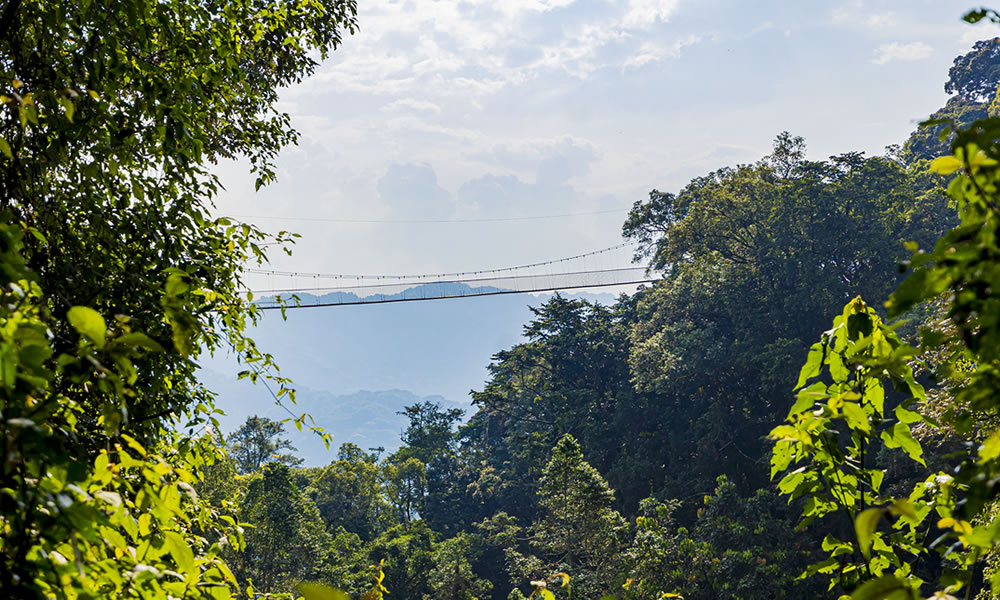
The Canopy Walk, the only one of its kind in East Africa, is suspended 50 meters above the forest floor and stretches for 160 meters. Whether you’re a nature lover, adventurer, or photographer, the walk is sure to be a highlight of your time in Nyungwe.
The Journey to the Canopy in Nyungwe Forest National Park
Your adventure begins with a guided hike through the lush rainforest. As you walk, your guide will point out the rich biodiversity around you, everything from towering trees and giant ferns to colorful birds flitting through the branches. You might even catch a glimpse of a playful troop of colobus monkeys or hear the distant call of chimpanzees echoing through the trees.
After about 30 to 45 minutes of hiking, you’ll arrive at the start of the canopy walkway. There’s a buzz of excitement as you step onto the bridge, which sways gently beneath your feet. Looking down, you realize just how high up you are, with the dense forest canopy stretching out below you. It’s both thrilling and humbling to be surrounded by such natural beauty, with nothing but treetops and sky as far as the eye can see.
Highlights of the Canopy Walk in Nyungwe Forest National Park
- Bird’s-Eye View of the Forest
From the canopy walkway, you’ll have an incredible perspective of the forest that few people get to see. The towering trees, the verdant greenery, and the sounds of wildlife all blend together to create a magical experience. You’ll feel completely immersed in nature, high above the forest floor.
While on the Canopy Walk, you might spot a variety of wildlife, including different species of primates like the black-and-white colobus monkey. Nyungwe is also a bird-watcher’s paradise, and from the treetops, you’ll have the opportunity to spot some of the park’s 322 bird species, including Albertine Rift endemics like the Ruwenzori turaco.
The Canopy Walk isn’t just about sightseeing, it’s also an exhilarating adventure. The height and gentle sway of the walkway can be a bit of a thrill for those who enjoy a little adrenaline with their nature experiences.
- Photography Opportunities
The panoramic views from the walkway offer fantastic opportunities for photography. Whether you’re capturing the vast rainforest stretching out beneath you or focusing on the smaller details like orchids and epiphytes growing in the treetops, the Canopy Walk provides a unique vantage point for stunning shots.
Thrill Meets Tranquility in Nyungwe Forest National Park
The Canopy Walk isn’t just about the views, it’s also an adventure. The height and gentle sway of the bridge can be thrilling, adding a touch of excitement to the peaceful experience of being surrounded by nature. But even if you’re not a thrill-seeker, the walk feels serene. The air is fresh, the surroundings peaceful, and the only sounds are those of the forest: the rustling of leaves, the calls of birds, and the distant murmur of wildlife.
When to Visit Nyungwe Forest National Park for a Canopy Walk
While the Canopy Walk is open year-round, the dry seasons “June to September and December to February” are ideal for this experience. The weather is generally more predictable, and the trails leading to the walkway are easier to navigate. However, even in the rainy season, the forest takes on a lush, magical quality that can make the walk just as memorable (though a bit muddier!).
Helpful Tips for Your Canopy Walk in Nyungwe Forest National Park
The trek to the Canopy Walk is moderately challenging, so it’s important to be in reasonable shape. The forest floor can be uneven, and you might need to navigate a few steep sections, but the reward is worth every step.
Make sure to wear comfortable hiking shoes with a good grip. Long sleeves and pants will protect you from insects, and don’t forget a rain jacket in case of unexpected showers—it’s a rainforest, after all.
Don’t rush through the experience. Stop along the way to take in the views, listen to the sounds of the forest, and truly appreciate being in such a special place.
If you love photography, bring a camera or smartphone to capture the stunning views from above. A wide-angle lens is great for sweeping shots, while a zoom lens will help you capture details like birds or distant mountains.
Why You Shouldn’t Miss The Canopy Walk in Nyungwe Forest National Park
The Canopy Walk is more than just a fun activity; it’s a chance to experience the forest in a way few people ever get to. It’s about connecting with nature, feeling a sense of awe and adventure, and taking in the beauty of Rwanda’s rainforests from an unforgettable perspective.
Whether you’re exploring Nyungwe for its wildlife, seeking an adrenaline-filled adventure, or simply looking to enjoy the tranquility of the forest, the Canopy Walk offers something for everyone. It’s an experience that will leave you with lasting memories, and a deep appreciation for the wonders of the natural world.
- Bird Watching in Nyungwe Forest National Park: A Paradise for Bird Lovers
If you’re a bird lover, Nyungwe Forest National Park in Rwanda will feel like a dream come true. With its dense rainforest and diverse landscapes, this park is one of the best places in Africa to go bird watching. Imagine wandering through lush green forests, surrounded by the sounds of chirping birds, rustling leaves, and the occasional flutter of wings overhead. Nyungwe is home to over 322 bird species, including 29 that are found nowhere else but the Albertine Rift. Whether you’re an experienced birder or just someone who enjoys being in nature, Nyungwe offers a bird-watching experience that will stay with you long after you leave.
A Bird-Watcher’s Haven
Nyungwe’s bird species are as diverse as its landscapes. Among the park’s highlights are its population of Albertine Rift endemics, many of which are rare and hard to spot elsewhere. These birds thrive in Nyungwe’s unique environment, making it a hotspot for those seeking out rare species.
Some of the standout birds you might encounter include:
This striking bird is one of the stars of Nyungwe. With its vivid blue, green, and yellow plumage, it’s hard to miss. You’ll often see them flying gracefully between the trees, their large size and bright colors making them easy to spot.
A true gem for bird watchers, the Ruwenzori Turaco is found only in the Albertine Rift. Its beautiful green and crimson feathers make it one of the park’s most sought-after sightings.
- Red-Collared Mountain Babbler
This bird is rarer to find, but for dedicated birders, spotting one is a real treat. Its soft but distinct colors blend into the forest, making it a rewarding challenge to see.
Known for its brilliant iridescent feathers, Rockefeller’s Sunbird is one of Nyungwe’s many small, energetic sunbirds that zip around the forest looking for nectar.
If you’re lucky, you might catch a glimpse of this elusive little owl. Found only in the Albertine Rift, it’s one of Nyungwe’s most exciting finds for serious bird watchers.
Best Bird-Watching Trails in Nyungwe Forest National Park
To truly experience the rich birdlife of Nyungwe, there are several trails that offer a mix of habitats and bird species. Whether you want a gentle walk or a more adventurous hike, there’s a trail for you:
- Karamba Birding Trail
This is one of the top birding spots in the park. Once a gold mining area, it’s now a perfect place to watch birds like the Mountain Buzzard and White-headed Wood Hoopoe. The open spaces here make it easier to spot birds in flight.
- Bigugu Trail
If you’re up for a challenge, the Bigugu Trail takes you to the highest point in the park, at nearly 3,000 meters. Along the way, you’ll come across species that prefer these high-altitude habitats.
This trail takes you through thick forest and along the forest’s edge, where you can see both canopy birds and those that live in the undergrowth. It’s a great place to enjoy a variety of bird species in one walk.
- Kamiranzovu Marsh Trail
A completely different birding experience, this trail leads to a large wetland where water-loving birds like the Grey Crowned Crane and Grauer’s Swamp Warbler can often be seen.
Guided Bird Watching Tours in Nyungwe Forest National Park
One of the best ways to enjoy bird watching in Nyungwe is by joining a guided tour. Local guides know the forest inside out, and they have a special talent for spotting birds that are well-camouflaged in the trees. They’ll also help you learn to recognize bird calls and share fascinating stories about each species.
Tours usually start early in the morning when the birds are most active. Depending on how deep into the forest you want to go, tours can last half a day or a full day. You’ll have plenty of chances to stop, listen, and watch as the forest wakes up around you.
Best Time for Bird Watching in Nyungwe Forest National Park
Bird watching in Nyungwe is great all year, but the dry seasons from June to September and December to February are the best times to visit. During these months, the trails are easier to navigate, and the weather is more predictable. If you visit during the rainy season, the forest will be even more lush and green, though the trails can get muddy. Either way, you’re sure to see plenty of birds.
Tips for a Great Bird-Watching Experience in Nyungwe Forest National Park
To fully enjoy bird watching, a good pair of binoculars is essential. Birds often perch high in the treetops, and binoculars will help you see them clearly.
Wear comfortable clothes in neutral colors so you blend in with the surroundings. Long sleeves and pants will also help protect you from insects.
Bird watching is all about taking your time. Move quietly, listen for bird calls, and be prepared to wait for the birds to reveal themselves.
A birding guidebook for Rwanda or East Africa will help you identify the different species you see. Your guide will also be a great resource for learning more about each bird.
Why Bird Watching in Nyungwe Forest National Park is Special
Nyungwe isn’t just a place to check birds off your list, it’s a place to connect with nature. As you walk through the forest, listening to the sounds of birds calling to one another and watching them flit from tree to tree, you’ll feel a sense of wonder and peace. The beauty and diversity of the birds here make every moment magical, whether you’re spotting a rare Albertine endemic or watching a Great Blue Turaco soar through the trees.
For anyone who loves nature, Nyungwe Forest National Park offers an unforgettable bird-watching experience. It’s a chance to slow down, take in the beauty of the forest, and discover some of the rarest and most beautiful birds in Africa.
- Nature Walks and Hiking in Nyungwe Forest National Park: A Journey into the Heart of Nature
Nyungwe Forest National Park is a hiker’s paradise, offering over 130 kilometers of well-maintained trails that meander through one of Africa’s oldest rainforests. With its stunning landscapes, towering trees, and abundant wildlife, Nyungwe is a dream for anyone who loves nature and outdoor adventure. Whether you’re looking for a short stroll to soak in the beauty of the forest or a more challenging trek to discover hidden waterfalls and sweeping mountain views, Nyungwe’s hiking and nature walks cater to all levels of fitness and interest.
What Makes Nyungwe’s Trails Special?
The best part about hiking in Nyungwe is the diversity of experiences. You’ll pass through different habitats as you walk, each offering something new. One minute, you might be in the shade of the rainforest, surrounded by giant ferns and ancient trees. The next, you’re catching a glimpse of a waterfall, listening to the calming sound of water rushing over rocks. Wildlife is everywhere, if you keep your eyes open, you might spot a troop of colobus monkeys, a colorful bird flitting through the trees, or even hear the calls of chimpanzees in the distance.
Hiking Trails in Nyungwe Forest National Park
Whether you’re a casual walker or an experienced hiker, Nyungwe’s trails cater to all levels. Here are a few of the park’s top trails:
Distance: 2.1 km
Time: 1.5 hours
Difficulty: Easy
If you’re looking for a gentle introduction to Nyungwe’s beauty, the Igishigishigi Trail is perfect. It’s a short and easy trail that takes you through lush forest and leads to the famous Canopy Walk, where you can get a bird’s-eye view of the treetops. You’ll be surrounded by the sounds of birds and might spot monkeys playing in the trees.
Distance: 10.6 km
Time: 6 hours
Difficulty: Moderate to Difficult
For a more challenging adventure, the Bigugu Trail takes you to the highest peak in Nyungwe, Bigugu Mountain. It’s a tough hike, but the reward is stunning panoramic views of the park’s rolling hills and valleys. Along the way, you’ll see a mix of landscapes, from forest to open meadows, and have a good chance of encountering some of Nyungwe’s wildlife.
Distance: 6 km
Time: 3 hours
Difficulty: Moderate
If you enjoy exploring different ecosystems, this trail takes you to Nyungwe’s largest wetland, Kamiranzovu Marsh. It’s a peaceful hike where you can see water-loving plants and birds, including the elegant Grey Crowned Crane. The marsh is a quiet, serene spot that feels like a hidden gem in the heart of the forest.
Distance: 10.6 km
Time: 4 hours
Difficulty: Moderate
The Isumo Waterfall Trail is one of the park’s most scenic routes, leading you to the spectacular Isumo Waterfall. The hike takes you through forest paths, past tea plantations, and across valleys where you can enjoy great views. When you reach the waterfall, the cool spray of water and the lush greenery around it make for a perfect spot to relax.
Distance: 4.7 km
Time: 3 hours
Difficulty: Moderate
For a shorter hike with beautiful views, the Ngabwe Trail is ideal. It takes you through the forest and leads to a lovely picnic area where you can take a break and enjoy the sights and sounds of Nyungwe’s hills and valleys. It’s a peaceful walk, perfect for those looking to connect with nature.
Distance: 42 km
Time: 3 to 4 days
Difficulty: Difficult
For serious hikers, the Congo Nile Divide Trail offers an unforgettable multi-day trek. This long trail follows the ridge between the Congo and Nile river basins, giving you dramatic views of both sides. It’s a challenging hike, but you’ll pass through some of Nyungwe’s most remote and beautiful areas, with plenty of opportunities to see wildlife along the way.
Wildlife Along the Trails in Nyungwe Forest National Park
One of the joys of hiking in Nyungwe is the chance to encounter its incredible wildlife. As you walk, you might spot playful black-and-white colobus monkeys swinging from the trees or catch a glimpse of a shy L’Hoest’s monkey. Birdwatchers will be in heaven, as the forest is home to over 300 bird species, including many that are found only in this region. Keep an eye out for the Great Blue Turaco with its striking colors, or the Albertine Owlet, a rare find for keen birders.
Guided Nature Walks in Nyungwe Forest National Park
If you really want to get the most out of your hike, joining a guided nature walk is the way to go. The park’s guides are incredibly knowledgeable and can point out the plants, animals, and natural features that you might otherwise miss. They’ll tell you about the forest’s history, its importance to the local people, and share fascinating stories about the wildlife that calls Nyungwe home.
When to Go Hiking in Nyungwe Forest National Park
The best time to hike in Nyungwe is during the dry seasons, from June to September and December to February. The weather is more predictable, and the trails are less muddy, making for an easier and more enjoyable experience. However, if you don’t mind a bit of rain, the wet season brings its own magic. The forest becomes even more lush and green, and the waterfalls are at their most powerful.
Why You’ll Love Hiking in Nyungwe Forest National Park
Hiking in Nyungwe Forest is more than just a physical activity, it’s an immersive journey into one of Africa’s most beautiful and diverse rainforests. Whether you’re walking through the mist-covered trees, listening to the birds sing, or marveling at the views from a mountaintop, every moment in Nyungwe feels special. For nature lovers, there’s no better place to reconnect with the outdoors and experience the wonders of Rwanda’s natural beauty.
- Cultural Encounters in Nyungwe Forest National Park: A Glimpse into Rwanda’s Rich Heritage
Nyungwe Forest National Park is not just about its breathtaking wildlife and lush landscapes, it’s also surrounded by communities rich in culture and history. Engaging in a cultural encounter during your visit to Nyungwe offers a unique opportunity to connect with the local people, learn about their traditions, and gain a deeper appreciation for the region’s heritage.
The People and Traditions in Nyungwe Forest National Park
The communities living around Nyungwe have a long-standing connection to the forest. For generations, they have relied on it for sustenance, using its resources for medicine, food, and cultural practices. Today, cultural encounters allow visitors to experience firsthand the traditions and daily life of these local communities, who are eager to share their stories and skills.
What to Expect During a Cultural Encounter in Nyungwe Forest National Park
- Traditional Dance and Music Performances
One of the highlights of a cultural encounter is witnessing the vibrant music and dance that form an integral part of Rwandan culture. Local dance troupes perform traditional dances, often accompanied by drumming, singing, and chanting. The energy and rhythm of the performances are captivating, and visitors are often invited to join in the fun, learning a few dance steps or playing a drum.
- Visit to Tea Plantations
Tea is one of Rwanda’s most important exports, and the area surrounding Nyungwe is famous for its expansive tea plantations. A visit to a tea plantation offers insight into the process of tea production, from the picking of the leaves to their processing in the factory. You’ll learn about the labor-intensive work involved and how tea farming has shaped the livelihoods of local families. The lush green rows of tea bushes make for a picturesque setting, and visitors can even sample freshly brewed Rwandan tea.
- Handicrafts and Basket Weaving
The art of basket weaving is a treasured skill passed down through generations in the communities around Nyungwe. During your cultural encounter, you’ll have the chance to visit local artisans who create beautiful woven baskets using natural materials like sisal and papyrus. Watching the intricate process of basket weaving is fascinating, and you can try your hand at weaving under the guidance of an expert. The baskets are not only functional but also make for unique souvenirs to take home.
- Traditional Medicine and Herbal Healing
The people living near Nyungwe have long used the forest’s plants for medicinal purposes. On a cultural tour, you’ll meet traditional healers who are knowledgeable about the forest’s medicinal plants and their healing properties. These healers often share stories about how different plants are used to treat common ailments, and you’ll gain an understanding of the important role the forest plays in local health and well-being.
- Storytelling and Local Legends
Storytelling is an integral part of Rwandan culture, and during a cultural encounter, you’ll have the chance to hear local legends and folk tales passed down through generations. Elders in the community often take pride in sharing stories about the history of the region, the significance of the forest, and tales of bravery, love, and wisdom. These stories provide a rich context for understanding the deep cultural ties that exist between the people and the land.
- Village Walks and Community Interaction
Exploring the villages around Nyungwe on foot allows you to experience daily life up close. You’ll see how local families live, interact with friendly villagers, and perhaps even participate in traditional cooking or farming activities. These walks are a great way to learn about rural life in Rwanda and how communities are working to preserve their traditions while embracing sustainable tourism.
Why You Should Experience a Cultural Encounter in Nyungwe Forest National Park
A cultural encounter in Nyungwe Forest National Park provides a meaningful connection to the people who call this area home. It’s an enriching experience that goes beyond sightseeing, offering visitors a chance to learn, participate, and appreciate the vibrant culture that complements the natural beauty of the park. Through these interactions, you’ll not only gain a deeper understanding of Rwanda’s heritage but also support community-based tourism efforts that empower local people and help preserve their traditions for future generations.
Unique Features of Nyungwe Forest
Nyungwe Forest is an absolute treasure for nature lovers. It’s one of the most biologically rich rainforests in Africa, teeming with life at every turn. Because the forest sits at different altitudes, it creates a variety of little worlds, each filled with different species of plants, animals, and insects. Imagine walking through a living laboratory where over 1,000 plant species grow, many of which have been used for centuries by local communities as medicine. It’s not just about plants though, the forest is home to 13 species of primates, including chimpanzees and the rare colobus monkeys, plus 322 types of birds, many found nowhere else but the Albertine Rift. Every step in Nyungwe is a chance to discover something extraordinary.
Nyungwe is much more than a beautiful forest; it’s essential for the survival of millions of people across East Africa. This forest is a major source of water for both the Nile and Congo rivers, meaning it helps sustain entire ecosystems far beyond its borders. Protecting Nyungwe ensures that these vital watersheds remain intact, helping local communities and industries thrive. In addition, the forest plays a crucial role in fighting climate change by absorbing carbon dioxide. It’s not just a place for animals, Nyungwe is working hard to protect the environment and secure a better future for the region.
- Waterfalls and Scenic Beauty
Imagine hiking through a lush, green rainforest and suddenly coming upon a stunning waterfall, Nyungwe has plenty of these hidden gems, and Isumo Waterfall is one of the most beautiful. The journey to get there takes you through bamboo forests, across rolling hills, and past all kinds of plant life. When you finally reach the waterfall, the sight of water cascading down a rocky cliff, surrounded by rich vegetation, makes it all worth it. And it’s not just the waterfalls, Nyungwe’s landscape is rugged and wild, with deep valleys and towering peaks. Every hike or walk here comes with incredible views, offering a peaceful escape into nature’s wonderland.
Accommodation in Nyungwe Forest National Park
Nyungwe Forest offers accommodation for every kind of traveler, whether you’re seeking luxury or a more adventurous experience.
If you’re in the mood for luxury, look no further than One&Only Nyungwe House. Tucked away on a tea plantation right next to the forest, this lodge has everything you need for a lavish stay, spa treatments, gourmet meals, and private guided tours through the forest. Imagine waking up to the sound of birds and the sight of mist rising over the tea fields and the forest beyond. It’s not just a place to stay; it’s an experience in itself, with every detail crafted to make your visit as comfortable and magical as possible.
- Nyungwe Top View Hill Hotel
For those looking for a balance between comfort and budget, Nyungwe Top View Hill Hotel offers cozy cottages perched on a hill with jaw-dropping views of the forest and surrounding mountains. It’s the perfect spot to relax after a day of adventure. You’ll love the friendly service, delicious local food, and the fact that you’re just a short drive away from all the park’s best activities, like chimpanzee trekking or the canopy walk. It’s a warm and welcoming home base for exploring the wonders of Nyungwe.
For the more adventurous souls or travelers on a budget, the Uwinka Campsite is the perfect way to stay close to nature without breaking the bank. Set right inside the park, you’ll wake up to the sounds of the forest and maybe even catch sight of some wildlife nearby. It’s a rustic setup with basic facilities, but the beauty of being fully immersed in nature makes it worth it. If you want to experience Nyungwe in its raw, untouched form, camping here is the way to go.
Getting to Nyungwe Forest National Park
Nyungwe Forest National Park is just a 5-6 hour drive from Kigali, Rwanda’s capital. The journey is part of the adventure, with scenic views of Rwanda’s famous rolling hills, rural villages, and tea plantations along the way. If you’re pressed for time, you can catch a quick domestic flight to Kamembe Airport, which is only a short drive from the park. Whether you choose to drive or fly, the trip to Nyungwe is a picturesque experience that sets the stage for the adventures waiting in the forest.
Best Time to Visit Nyungwe Forest
Nyungwe is beautiful year-round, but the best time to visit is during the dry seasons, from June to September and December to February. These months offer easier hiking conditions, and the chances of spotting chimpanzees and other wildlife are higher, as they tend to stay closer to the ground. If you visit during the rainy seasons (March to May and October to November), the forest is even more lush and vibrant, though trails can be muddy. Either way, you’ll find Nyungwe to be a lush, enchanting place no matter the season.
Nyungwe Forest National Park is a must-visit destination for anyone who loves nature, adventure, and the beauty of the wild. Whether you’re trekking through the forest to spot chimpanzees, walking above the treetops on the canopy walk, or simply soaking in the peaceful surroundings, every moment here is an opportunity to connect with nature in a deeper way. It’s not just a park—it’s an experience that will leave you with memories to treasure for a lifetime.
Nestled in the northeast of Rwanda, Akagera National Park is a true gem for nature lovers and adventurers alike. Covering about 1,122 square kilometers, it’s a place of stunning contrasts, where you can go from vast golden savannahs to lush green wetlands and dense forests all in one day. If you’re craving an unforgettable experience in nature, Akagera is a must-visit.
A Glimpse into the Past: The History of Akagera National Park
Akagera’s story began in 1934 when it was established as one of Africa’s oldest national parks. It takes its name from the Akagera River, which forms the park’s eastern border. Over the years, Akagera faced some tough times, especially after the Rwandan civil war, when large park areas were converted into settlements. But thanks to dedicated conservation efforts, the park has bounced back. Today, with the help of the Rwandan government and the African Parks organization, Akagera is flourishing again. It’s now a shining example of Rwanda’s commitment to restoring the environment and promoting sustainable tourism.
Meet the Wildlife: Akagera’s Incredible Animals
Akagera National Park is now a haven for some of Africa’s most iconic animals, including the Big Five: lions, leopards, elephants, buffaloes, and rhinos. Years of focused conservation have ensured these majestic creatures have a home here. Watching them in their natural habitat is an experience that will stay with you forever.
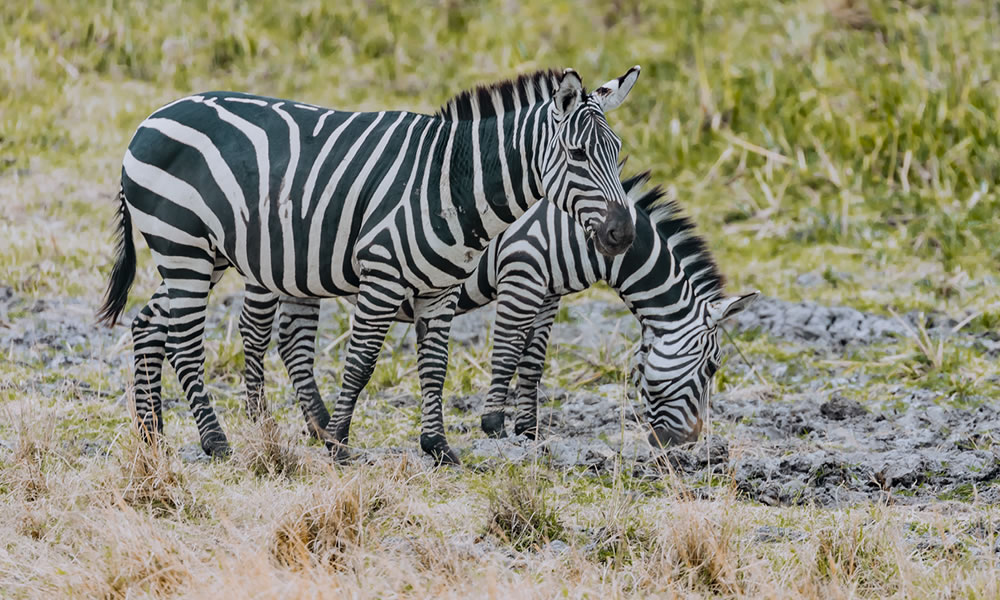
But AkageraNational Parkisn’t just about the Big Five. It’s also home to giraffes, zebras, hippos, and crocodiles, which you’ll likely spot around Lake Ihema, one of the park’s main water sources. In fact, the lake has one of the highest concentrations of hippos in East Africa! And if you’re lucky, you might spot a shoebill stork or hear the distinctive call of the African fish eagle just two of the 480 bird species that live here. Whether you’re a bird enthusiast or just casually looking up, Akagera is a paradise for birdwatching.
Every visit to Akagera National Park feels like a journey into the wild heart of Africa, where every turn might lead to a thrilling wildlife encounter or a peaceful moment by the lakeside.
ACTIVITIES IN AKAGERA NATIONAL PARK
- Game Drives in Akagera National Park: An Unforgettable Safari Adventure
One of the most exciting activities in Akagera National Park is the game drive, offering visitors a front-row seat to witness Rwanda’s incredible wildlife in their natural habitat. With its diverse landscapes ranging from open savannahs to lush wetlands and thick woodlands, Akagera provides the perfect backdrop for an authentic African safari experience.
What You Can Expect on a Game Drive in Akagera National Park
On a typical game drive, you’ll be weaving through Akagera’s breathtaking landscapes, from the sweeping savannahs to the shores of Lake Ihema, where animals gather, especially during the cooler parts of the day. You can choose between going on a self-guided adventure if you feel confident navigating on your own or opting for a guided tour with an expert who knows exactly where to find the best wildlife sightings.
Of course, the Big Five: lions, leopards, elephants, buffaloes, and rhinos are what many come to see, and Akagera National Park does not disappoint. Watching these powerful animals roam free is an awe-inspiring experience, one that leaves most visitors speechless. The guides know the animals well and can often take you right to the action, whether it’s a pride of lions lounging in the shade or a herd of elephants gracefully moving through the bush.
But it’s not just the Big Five. You’ll likely come across giraffes, casually grazing among the acacia trees, or zebras and antelopes roaming in herds across the plains. And don’t forget about the hippos and crocodiles relaxing by the lake’s edge, especially if you’re lucky enough to catch them on a boat safari. The park is also a paradise for birdwatchers, with more than 480 bird species, including the stunning African fish eagle and the rare shoebill stork.
Different Types of Game Drives in Akagera National Park
These start bright and early, which is the perfect time to catch the animals as they wake up and start moving around before the heat of the day sets in. The early morning light makes everything feel even more magical, from watching elephants heading to the waterholes to spotting lions on the prowl.
In the afternoon, things slow down a bit as the animals relax or graze lazily in the sun. This is a great time for photography, with the late afternoon light casting everything in a golden glow. You might find yourself watching zebras, giraffes, or even large groups of buffaloes going about their day.
For something truly special, you can take a night game drive. Venturing into the park after dark with a guide and a spotlight gives you the chance to spot creatures you’d never see during the day, like leopards, hyenas, or adorable bush babies. It’s a completely different world after the sun goes down, and the thrill of exploring it is unforgettable.
Tips for the Best Experience in Akagera National Park
- Wear comfortable clothes: Neutral colors help you blend in with the surroundings, and layers are a good idea since mornings can be chilly and afternoons warm.
- Bring your camera and binoculars: You’ll definitely want to capture these moments, both near and far.
- Pack snacks and water if you’re heading out on a longer drive, so you stay energized.
- And most importantly, listen to your guide: They know how to keep both you and the animals safe while ensuring you get the best views.
Self-Drive vs. Guided Game Drives in Akagera National Park
If you’re feeling adventurous, you can explore Akagera National Park at your own pace with a self-drive. But if you really want to make the most of your visit, a guided game drive is the way to go. The guides have a deep understanding of the animals, the landscape, and how to track wildlife. Plus, their knowledge adds so much to the experience, turning it from a simple sightseeing tour into an educational and meaningful adventure.
Going on a game drive in Akagera National Park is an experience that will stay with you long after you’ve left. Whether it’s your first time on safari or you’re coming back for more, every drive offers something new and exciting. The chance to be surrounded by nature, with only the sounds of the wild around you, is truly magical—and Akagera is the perfect place to make those memories.
- Boat Cruises in Akagera National Park: A Tranquil Safari on the Water
If you’re looking for a more peaceful way to experience the wild beauty of Akagera National Park, boat cruises are the perfect option. Gliding across the calm waters of Lake Ihema, you’ll be surrounded by breathtaking scenery and some of the park’s most fascinating wildlife. It’s a relaxing alternative to the excitement of a game drive, offering a completely different perspective on Akagera’s diverse ecosystem.
What to Expect on a Boat Cruise in Akagera National Park
As your boat slowly drifts across Lake Ihema, you’ll have the chance to get up close to animals that thrive near the water. One of the highlights of the cruise is watching hippos: these enormous creatures often pop up nearby, their eyes and ears just visible above the surface. It’s fascinating to see how such large animals seem to float effortlessly in the water. You’ll also likely spot crocodiles basking in the sun along the shores, looking almost motionless, until they slip silently into the water.
But it’s not just the animals in the water that steal the show. Akagera’s boat cruises are a treat for birdwatchers, with a variety of species living in and around the lake. Look out for the majestic African fish eagle soaring overhead or the rare shoebill stork, with its prehistoric look, silently hunting in the wetlands. Even if you’re not a birding enthusiast, it’s hard not to be impressed by the colorful flashes of kingfishers and herons as they dart over the water.
And then there’s the peacefulness. A boat cruise on Lake Ihema isn’t just about spotting wildlife; it’s also about soaking in the calm, serene atmosphere. The vastness of the lake, the gentle sound of the water, and the wide-open skies create a sense of tranquility that’s hard to find elsewhere.
Highlights of a Boat Cruise in Akagera National Park
- Get Close to Hippos and Crocodiles
Seeing these incredible creatures from the safety of a boat gives you a unique perspective on their lives. It’s exciting, yet peaceful at the same time, as you float just meters away from them.
Whether you’re into birdwatching or just casually observing, the variety of bird species around Lake Ihema is astonishing. From the iconic fish eagle to the elusive shoebill stork, the birds here are as diverse as they are beautiful.
As you drift along the lake, you’ll be surrounded by breathtaking views of Akagera’s rolling hills and sprawling wetlands. Whether it’s in the soft light of the morning or the golden glow of the afternoon, the scenery is simply stunning.
Best Times for a Boat Cruise in Akagera National Park
Early morning and late afternoon are the ideal times for a boat cruise. The cooler temperatures mean the animals are more active, and the lighting at these times makes for spectacular photos. A morning cruise is perfect if you want to start your day with some quiet time on the water, while an afternoon cruise offers the chance to watch the sun set over the park, painting the sky in brilliant colors.
How to Make the Most of Your Boat Cruise in Akagera National Park
These will help you get a closer look at the birds and animals on the shoreline.
Neutral-colored clothes help you blend in with the surroundings, and make sure to bring a hat or sunscreen for protection from the sun.
You’ll want to capture the beautiful landscapes and wildlife, especially during the early morning or late afternoon when the light is magical.
Guided Boat Cruises in Akagera National Park
The boat cruises are led by experienced guides who know the lake and its wildlife inside out. They’ll point out animals and birds you might not notice on your own and share fascinating facts about the park’s ecosystem. Having a guide on board makes the cruise not just relaxing but also educational and enriching.
A boat cruise on Lake Ihema is the perfect way to unwind and take in the beauty of Akagera National Park at a slower pace. Whether you’re watching hippos wallow in the water, spotting rare birds in the reeds, or just enjoying the serenity of the lake, it’s an experience that offers something truly special. It’s a peaceful escape into nature that will leave you feeling refreshed and in awe of the incredible wildlife and landscapes that make Akagera so unique.
- Bird Watching in Akagera National Park: A Bird Lover’s Dream
If you’re a fan of birds or just love the beauty of nature, Akagera National Park is the perfect place to visit. With over 480 bird species living in its diverse landscapes, Akagera offers one of the most exciting bird-watching experiences in East Africa. From wetlands and lakes to open savannahs and woodlands, the park is home to a huge variety of birdlife, making it a must-see destination for both serious birders and casual nature lovers.
What Birds Will You See in Akagera National Park?
Akagera’s wide range of habitats means you can expect to see a great mix of bird species, including some that are rare or endangered. Whether you’re exploring the lakeshores or venturing into the savannah, there’s always something fascinating to spot. Some of the highlights include:
This rare and almost prehistoric-looking bird is one of the most exciting species to see in Akagera. Found in the wetlands, the shoebill’s unique bill and slow, stalking movements make it a fascinating sight.
With its striking white head and powerful call, the African fish eagle is a common but spectacular sight around Akagera’s lakes. You’ll often see them perched high up, scanning the water for fish.
Bright and beautiful, the papyrus gonolek is often found in the park’s papyrus swamps. Its vibrant red and black coloring makes it stand out, but spotting this shy bird is always a special treat.
Known for its impressive size and ability to catch fish, the giant kingfisher can be seen hovering near the water or perched on branches along the lakeshore.
In addition to these highlights, you can expect to see a range of other bird species, including herons, pelicans, weavers, and raptors. Whether you’re an expert or a beginner, there’s always something new to discover.
Best Places for Bird Watching in Akagera National Park
One of the best spots for bird watching is around Lake Ihema and the Akagera River, where the wetlands attract a huge variety of water birds. Here, you’ll find cormorants, kingfishers, and even the rare shoebill stork. The lakeshores are also home to African jacanas and other birds that thrive near the water.
If you’re more interested in savannah species, head to the park’s open plains and woodlands, where you can spot raptors, sunbirds, and weavers. No matter where you go in Akagera, there’s always a chance to see something amazing.
For a unique bird-watching experience, take a boat cruise on Lake Ihema. The boat allows you to get closer to the water birds and explore areas that are harder to reach on foot, offering a different perspective on the park’s birdlife.
When’s the Best Time to Visit Akagera National Park?
Bird watching in Akagera is great throughout the year, but the dry season (June to September) is an especially good time to visit. The animals and birds are easier to spot around water sources during this time. If you want to see migratory birds, plan your visit between November and April, when many migratory species arrive in the park.
Tips for an Amazing Bird-Watching Experience in Akagera National Park
- Bring binoculars: You’ll want to get a close-up view of the birds, especially the smaller or more distant species.
- Use a bird guidebook or app: It can help you identify the many different species you’ll encounter.
- Go with a guide: The local guides know the park inside out and can help you spot birds you might otherwise miss. Their knowledge will add a lot to your experience.
- Dress appropriately: Wear neutral colors to blend in with the environment, and make sure you bring sunscreen and a hat to protect yourself from the sun.
Why You’ll Love Bird Watching in Akagera National Park
The combination of wetlands, savannah, and woodland means there’s always a variety of bird species to see.
The chance to see rare species like the shoebill stork or the papyrus gonolek makes Akagera a special place for bird lovers.
While you’re busy spotting birds, you’ll also be treated to Akagera’s stunning landscapes, from rolling hills to shimmering lakes.
Bird watching in Akagera National Park is an unforgettable experience, whether you’re an avid birder or just someone who enjoys the beauty of nature. With its vast range of bird species and breathtaking scenery, every moment spent exploring Akagera feels like a new discovery. Whether you’re scanning the wetlands for a rare shoebill or listening to the haunting call of an African fish eagle, the park promises to leave you with lasting memories of Rwanda’s incredible wildlife.
- Cultural Encounters in Akagera National Park: A Journey Through Rwandan Heritage
Akagera National Park is celebrated for its breathtaking wildlife and stunning landscapes, but it also offers an enriching cultural experience that invites you to delve into the heart of Rwandan heritage. Through cultural encounters, visitors have the opportunity to connect with local communities living near the park, immersing themselves in the vibrant traditions, customs, and ways of life that have been cherished for generations. These experiences go beyond mere observation; they allow you to engage actively and meaningfully with the rich tapestry of Rwandan culture and history.
Visit to Local Communities
One of the most memorable aspects of cultural encounters in Akagera is the chance to visit nearby communities. Here, you can meet the locals who live harmoniously with nature and have a profound connection to the land and its wildlife. These communities play a vital role in conservation efforts, and during your visit, you’ll get to engage with them and learn about their daily lives.
Guided tours through the village will allow you to witness traditional activities like farming, basket weaving, pottery making, and even join in on vibrant dance performances. The locals are incredibly welcoming, eager to share their stories and insights into their culture. You’ll find this experience to be a beautiful way to connect with Rwanda’s rich heritage while also supporting the local economy.
Traditional Dance and Music
No cultural encounter in Akagera is complete without experiencing the mesmerizing traditional music and dance that are central to Rwandan culture. Local community groups often perform these vibrant shows, using dance as a powerful medium for storytelling that reflects Rwanda’s history, triumphs, and values.
Dressed in colorful traditional attire, performers bring the Intore dance to life, a spirited warrior dance set to the rhythm of drums and melodic singing. Visitors are frequently invited to join in the fun, turning the performance into an interactive celebration. The energy and passion exuded during these dances leave a lasting impression, encapsulating the essence of Rwanda’s spirit and resilience.
Learning Traditional Crafts
A key part of your cultural journey in Akagera involves discovering traditional crafts that have been lovingly passed down through generations. You’ll have the opportunity to watch skilled artisans at work, showcasing techniques in basket weaving, pottery making, and beadwork. These crafts not only play a significant role in local culture but also provide a vital source of income for many families.
As you observe these artisans, don’t be shy about trying your hand at weaving a basket or shaping clay into pottery under their guidance. It’s a fun, hands-on way to appreciate the artistry and dedication involved in creating these beautiful handmade items. Many visitors seize the chance to purchase souvenirs, knowing that their support helps sustain the local community and preserve these traditional crafts.
Rwandan Cuisine
No cultural experience would be complete without savoring the local cuisine. As part of the cultural encounters in Akagera, you might find yourself sharing a traditional Rwandan meal prepared by the community. Dishes typically include ugali (a maize porridge), ibihaza (mashed pumpkins), isombe (cassava leaves with peanuts), and delicious brochettes (grilled meat skewers).
Sharing a meal with the community is a wonderful way to experience the warmth and hospitality of the Rwandan people. The laughter and conversation around the table will create a genuine connection, making your culinary experience even more memorable.
The Role of Communities in Conservation
One of the most inspiring aspects of cultural encounters in Akagera is the chance to learn about the pivotal role local communities play in conserving the park’s wildlife and ecosystems. Community members actively engage in anti-poaching initiatives, educational programs, and sustainable practices that protect the park while providing for their families.
During your visit, you’ll hear firsthand accounts of how conservation efforts and tourism have positively impacted their lives and the surrounding environment. This insight fosters a deeper appreciation for the symbiotic relationship between the park and the communities that thrive around it.
Why Cultural Encounters in Akagera National Park Are Special
- Connect with Rwandan Heritage:
These encounters allow you to delve deep into the vibrant traditions and history of Rwanda, from music and dance to crafts and cuisine.
- Support Local Communities:
Participating in these experiences contributes directly to the well-being of the communities surrounding the park, enabling you to give back while learning about their culture.
Engaging with the localswhether through storytelling, traditional crafts, or dance offers a unique opportunity to gain insights into their lives and cultural values.
Cultural encounters in Akagera National Park offer a rich tapestry of experiences that beautifully complement the park’s natural wonders. By immersing yourself in Rwandan culture, you’ll create unforgettable memories and forge connections that will last a lifetime, all while supporting the local communities that make this region truly special.
ACCOMMODATION IN AKAGERA NATIONAL PARK
Akagera National Park is not just a destination for wildlife lovers; it’s also a place where you can find the perfect accommodation that suits your style and budget. Whether you’re looking to pamper yourself with luxury or embrace the wild with a camping experience, Akagera has something special for everyone. Here’s a closer look at some of the unique places you can stay during your visit.
- a) Magashi Camp
If you’re dreaming of a luxury safari experience, Magashi Camp should be at the top of your list. This stunning camp, perched on the shores of Lake Rwanyakazinga, offers breathtaking views that make it feel like you’re in a postcard.
What to Expect:
Elegant Tented Accommodation: Imagine waking up in a beautifully designed tent that combines the comforts of modern living with the essence of the wild. Each tent has an en-suite bathroom and a private veranda where you can sip coffee while soaking in the serene lake views.
Personalized Service: With only a handful of tents, the staff here takes hospitality to a whole new level. They’ll get to know you by name and cater to your every need, ensuring you feel right at home amidst nature.
Engaging with Conservation: One of the best parts of staying at Magashi is the opportunity to get involved in conservation efforts. You can join guided game drives, walking safaris, or boat trips, all led by passionate guides who share their insights about the park’s wildlife and ecosystems.
Dining with a View: Picture enjoying gourmet meals made from fresh, local ingredients, often served al fresco. The dining experience is as much about the food as it is about the stunning backdrop of the lake.
- b) Akagera Game Lodge
For those seeking comfort without breaking the bank, Akagera Game Lodge strikes the perfect balance. Located conveniently near the park entrance, it’s a great choice for families and groups who want a cozy base to explore from.
What Makes It Special:
Comfortable Rooms: The lodge offers spacious rooms with amazing views of the park. You’ll find all the modern amenities you need, ensuring a comfortable stay for you and your loved ones.
Family-Friendly Vibe: With family rooms and facilities like a swimming pool, this lodge is perfect for families looking to enjoy a relaxing getaway together after a day of adventure.
Great Dining Options: The on-site restaurant serves a variety of delicious dishes, catering to different tastes. After a day of exploring, you can relax by the pool with a refreshing drink in hand.
Easy Access to Adventure: Being close to the park means you can quickly hop into your safari vehicle and head out for an exciting day of wildlife spotting without a long drive.
- c) Campsites
For those who crave adventure and want to immerse themselves in nature, Akagera National Park has several well-maintained campsites.
Why You’ll Love Camping:
Under the Stars: Imagine pitching your tent and sleeping under a sky filled with stars, surrounded by the sounds of the African night. It’s a truly magical way to experience the wilderness.
Basic Facilities: While the campsites offer a more rustic experience, many come with basic amenities like showers and toilets, so you can still enjoy a bit of comfort while being close to nature.
Community Feel: Camping fosters a sense of camaraderie among travelers. You can share stories and experiences around a campfire, making new friends along the way.
Budget-Friendly Adventure: If you’re watching your budget, camping is an excellent way to enjoy all the park has to offer without overspending. Plus, it allows you to connect more deeply with the environment.
Conservation and Sustainability in Akagera National Park
Akagera National Park is a shining example of Rwanda’s commitment to conservation and sustainable tourism. The park has undergone significant changes over the past decade, and it’s inspiring to see the positive impact of these efforts.
Key Highlights:
The successful reintroduction of lions in 2015 and black rhinos in 2017 has breathed new life into the park, helping to restore its rich biodiversity. Seeing these majestic animals roaming freely in their natural habitat is a true thrill for visitors.
The locals play a vital role in the park’s conservation efforts, from participating in anti-poaching initiatives to helping educate others about the importance of protecting wildlife. This sense of community involvement fosters a deeper connection between people and nature.
The park is managed through a partnership between the Rwandan Development Board (RDB) and African Parks, a non-profit organization dedicated to safeguarding national parks across Africa. This collaboration ensures that conservation strategies are effective and sustainable.
Getting to Akagera National Park
Getting to Akagera National Park is a breeze! It’s just about a two-and-a-half-hour drive from Kigali, making it an ideal escape into nature.
Travel Options:
Renting a car gives you the freedom to explore at your own pace. You can take in the beautiful Rwandan countryside as you drive, making the journey part of the adventure.
If you prefer a more organized experience, there are plenty of travel agencies offering guided tours. These often include transportation, accommodations, and activities, along with the insights of knowledgeable guides who can enhance your understanding of the park.
When to Visit Akagera National Park
Akagera is a year-round destination, but the best times to visit are during the dry season from June to September.
Seasonal Highlights:
- Dry Season (June to September):
Wildlife is easier to spot as animals congregate around water sources. This makes for thrilling game viewing, and the drier weather means smoother travel throughout the park.
- Wet Season (March to May):
The wet season transforms the landscape into a lush paradise, perfect for bird watching and boat safaris. This is the time to witness vibrant migratory birds and the stunning green scenery.
Whether you choose to relax in a luxurious lodge, enjoy the comforts of a family-friendly hotel, or embrace the wild with a camping experience, Akagera National Park has the perfect accommodations for your adventure. From engaging with wildlife to learning about conservation, your stay will be filled with unforgettable experiences that connect you with the heart of Rwanda.
Akagera National Park offers an unforgettable journey into Rwanda’s wild side, combining the thrill of seeing Africa’s iconic animals with breathtaking landscapes and rich cultural experiences. Whether you’re seeking a classic safari or looking to immerse yourself in nature and local traditions, Akagera provides an extraordinary adventure in the heart of East Africa.