Semuliki National Park is a gem tucked away in the western part of Uganda, bordering the Democratic Republic of Congo. It is renowned for its unique biodiversity, rich culture, and diverse ecosystems.
Semuliki National Park, established in 1993, is located in the Albertine Rift Valley, covering an area of approximately 220 square kilometers. The park is part of the western arm of the East African Rift System and features a mix of tropical rainforest, savanna, and wetlands, making it a haven for a wide variety of wildlife and plant species.
ACTIVITIES IN SEMULIKI NATIONAL PARK
- Wildlife Viewing in Semuliki National Park
Wildlife viewing in Semuliki National Park is a unique and rewarding experience, offering visitors the chance to explore one of Uganda’s most biodiverse and least disturbed natural environments. Nestled in the Albertine Rift Valley, this park is a hidden gem that boasts a rich variety of wildlife, much of which is more commonly associated with the Central African rainforests than with East Africa.
A Diverse Array of Mammals
Semuliki National Park is home to over 60 mammal species, making it an excellent destination for wildlife enthusiasts. The park’s mix of lowland tropical rainforest, swamps, and grasslands creates habitats for a wide range of animals. Among the notable species you might encounter are:
Forest Elephants: Smaller than their savannah counterparts, these elusive elephants roam the dense forests of Semuliki, often leaving behind signs such as footprints and broken branches. Sightings are rare, but their presence adds an element of excitement to wildlife viewing.
Pygmy Hippopotamus: An incredibly rare and shy species, the pygmy hippo is occasionally spotted along the Semuliki River and in the park’s swampy areas. These nocturnal animals are challenging to observe, but the possibility of encountering one makes wildlife viewing in the park even more thrilling.
Buffaloes: The forest buffaloes in Semuliki are smaller and darker than the savannah buffaloes found elsewhere in Uganda. They can often be seen grazing in the clearings and along the edges of the forest.
Primates: The park is a primate haven, with several species making their home in its lush forests. Visitors can spot chimpanzees, olive baboons, black-and-white colobus monkeys, red-tailed monkeys, and the rare De Brazza’s monkey. The playful and curious nature of these primates often leads to memorable encounters.
Leopards: Although elusive and primarily nocturnal, leopards are known to inhabit the park’s forests. Sightings are infrequent, but the chance to see one adds a sense of adventure to any wildlife viewing excursion.
Civets and Genets: These small, nocturnal carnivores are occasionally seen during night drives or at dusk, adding to the diversity of the park’s wildlife.
Birds and Reptiles
In addition to mammals, Semuliki National Park is a paradise for bird watchers, with over 440 bird species, many of which are endemic to the Albertine Rift. The park is also home to a variety of reptiles, including crocodiles that inhabit the Semuliki River, and various species of snakes and lizards.
One of the key attractions of wildlife viewing in Semuliki National Park is the variety of habitats you can explore. The park’s diverse landscapes include:
- Tropical Rainforest: The dense forest is home to many of the park’s primates, as well as forest elephants and a variety of bird species.
- Swamps and Marshlands: These areas provide habitats for the pygmy hippo, crocodiles, and several bird species, including the elusive shoebill stork.
- Savannah Grasslands: Open areas where buffaloes and other herbivores can be seen grazing.
The different ecosystems within the park ensure that visitors have the opportunity to encounter a wide range of species during their visit.
Sempaya Hot Springs: A Wildlife Hotspot
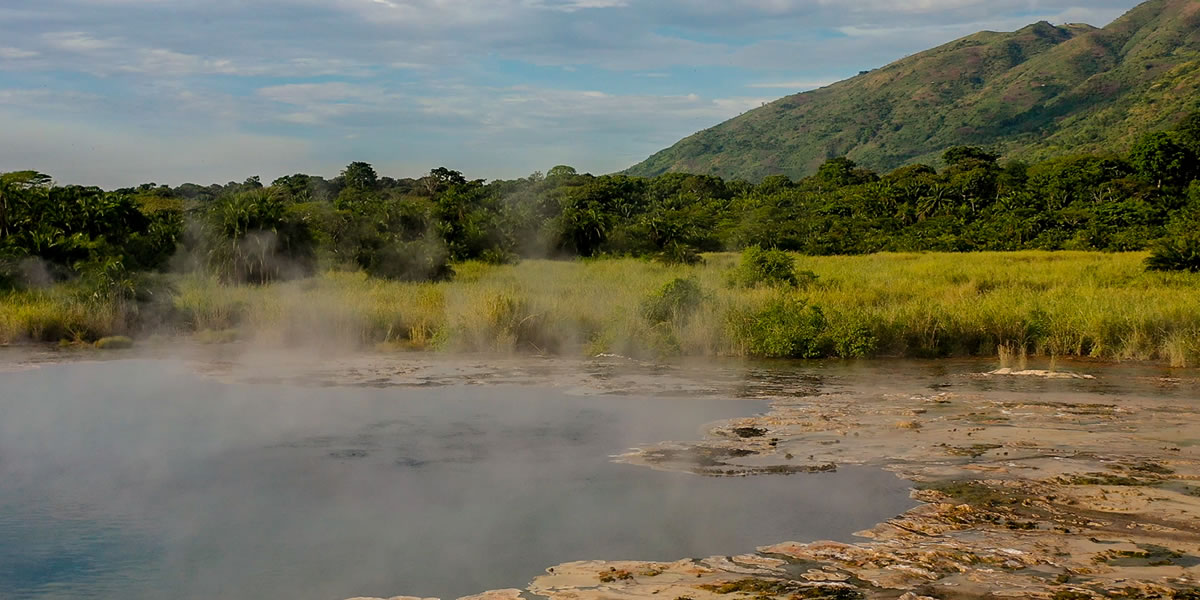
The Sempaya Hot Springs, one of the park’s most famous attractions, also serve as a hotspot for wildlife viewing. The surrounding area attracts various animals, including monkeys, forest elephants, and numerous bird species. The springs are also an excellent place to observe butterflies, which are attracted to the mineral-rich soil.
Why you should visit Semuliki National Park?
Semuliki National Park offers a unique wildlife viewing experience, distinct from other parks in Uganda. Its Central African-influenced biodiversity, combined with its remote and pristine environment, provides a rare glimpse into a world where nature thrives largely undisturbed. Whether you’re hoping to spot rare mammals, encounter playful primates, or simply immerse yourself in a truly wild landscape, wildlife viewing in Semuliki is an adventure that promises both excitement and tranquility.
- Bird Watching in Semuliki National Park
Bird watching in Semuliki National Park is a captivating experience for both avid birders and nature enthusiasts. Located in the Albertine Rift Valley, this park is one of Uganda’s most important birding destinations, boasting an extraordinary diversity of bird species due to its unique position at the crossroads of East African savannah and the Central African rainforest.
A Birding Haven
Semuliki National Park is home to over 440 bird species, many of which are rare and endemic to the region. The park’s diverse habitats, including lowland tropical forests, swampy areas, and savannah, create the perfect environment for a wide variety of birds. This makes it one of the richest areas in Uganda for birding, with species that are not commonly found in other parts of the country.
Key Bird Species In Semuliki National Park
Bird watchers in Semuliki can look forward to encountering several sought-after species. Some of the key species include:
Nkulengu Rail: This elusive bird is more easily heard than seen, but Semuliki is one of the few places where it can be spotted.
Shoebill Stork: Although rare, the park’s swampy areas provide a habitat for this iconic and prehistoric-looking bird.
African Piculet: A diminutive woodpecker that is a prized find for birders.
White-crested Hornbill: Known for its striking appearance, this hornbill is a highlight for bird watchers.
Red-billed Dwarf Hornbill: Another unique hornbill species that adds to the diversity of hornbills in the park.
Yellow-throated Nicator: A brightly colored bird often seen flitting through the forest canopy.
Long-tailed Hawk: A stunning raptor with a strikingly long tail, often seen soaring above the forest.
Lyre-tailed Honeyguide: Known for its melodious song and distinctive tail feathers.
Congo Serpent Eagle:A rare and elusive bird of prey that adds to the excitement of birding in Semuliki.
These are just a few of the remarkable species that birders can encounter during their visit. The park’s proximity to the Congo Basin means that it hosts several species that are more commonly found in Central Africa, making it a unique birding destination in Uganda.
Best Birding Spots in Semuliki National Park
Some of the best birding spots in Semuliki National Park include the Sempaya Hot Springs area, the Kirumia Trail, and the forests along the Semuliki River. Each of these locations offers different habitats, increasing the chances of seeing a wide range of species. The Sempaya area, in particular, is known for its mix of forest and swamp birds, while the Kirumia Trail offers a deeper immersion into the forest, with opportunities to see more elusive species.
Why Bird Watch in Semuliki National Park?
Semuliki National Park offers a truly exceptional birding experience due to its rich avifauna and the chance to see species that are difficult to find elsewhere in Uganda. The park’s remote and pristine environment adds to the allure, providing a serene and undisturbed setting for birding. Whether you are a seasoned birder looking to tick off rare species from your list or a nature lover eager to explore one of Uganda’s most biodiverse parks, bird watching in Semuliki is an unforgettable experience.
- Nature Walks in Semuliki National Park
Nature walks in Semuliki National Park offer an intimate and immersive way to experience the park’s rich biodiversity and unique landscapes. Situated in the western part of Uganda, this park is a hidden gem known for its diverse ecosystems that range from tropical rainforests to savannah grasslands.
What to Expect during nature walks in Semuliki National Park
During a nature walk in Semuliki National Park, visitors can explore the lush forests, where they will be surrounded by towering trees, ferns, and a variety of plant species. The walks are guided by experienced park rangers who are knowledgeable about the flora and fauna of the area. These rangers not only ensure your safety but also provide fascinating insights into the park’s natural history.
- Wildlife Encounters
As you traverse the trails, there are opportunities to spot various wildlife species. Semuliki is home to several primates, including the black-and-white colobus monkeys, grey-cheeked mangabeys, and red-tailed monkeys. Bird watchers will be thrilled by the park’s rich avian diversity, with over 400 bird species recorded, including the rare and elusive shoebill stork. The nature walk also presents a chance to see smaller mammals, butterflies, and insects that thrive in this unique environment.
- Sempaya Hot Springs
One of the highlights of the nature walk is a visit to the famous Sempaya Hot Springs. These geothermal springs are a significant attraction in the park, with two main springs: the male spring, known as “Bintente,” and the female spring, “Nyasimbi.” The female spring is particularly fascinating due to its boiling geyser, which spouts water up to two meters high. Visitors can witness the local tradition of boiling eggs and bananas in the hot spring water—a simple yet memorable experience that connects you to the natural wonders of Semuliki.
The nature walk also offers a cultural dimension, as the park is home to the Batwa pygmies, one of Africa’s oldest indigenous tribes. Visitors may have the opportunity to learn about the Batwa’s traditional way of life, their relationship with the forest, and their cultural practices. This adds a rich layer to the experience, making the walk not just about nature, but also about understanding the deep cultural ties the local communities have with the environment.
- Cultural Encounters in Semuliki National Park
Cultural experiences in Semuliki National Park offer visitors a unique opportunity to engage with the indigenous communities that have lived in harmony with the park’s rich natural environment for centuries. Located in Uganda’s western region, the park is not only a haven for wildlife and bird species but also a cultural crossroads, where ancient traditions and ways of life are preserved and practiced by local communities.
- Batwa People: Guardians of the Forest
One of the most significant cultural experiences in Semuliki National Park is the chance to meet and learn from the Batwa people, often referred to as the “Keepers of the Forest.” The Batwa are one of Africa’s oldest indigenous tribes, with a history deeply rooted in the forests of Central Africa. For generations, they have lived as hunter-gatherers, relying on the forest for food, shelter, and medicine.
Visitors to Semuliki can embark on a guided cultural tour that takes them into Batwa communities, where they can experience firsthand the Batwa’s traditional way of life. During these encounters, the Batwa share their knowledge of the forest, demonstrating how they use various plants for medicinal purposes, fire-making, and crafting tools. The Batwa are also known for their rich oral traditions, and visitors may have the opportunity to listen to ancient stories, songs, and dances that have been passed down through generations.
- Traditional Healing Practices
A highlight of the cultural experience in Semuliki is learning about the traditional healing practices of the local communities. The Bamba and Bakonzo people, who also reside around the park, are known for their deep knowledge of herbal medicine. On a cultural tour, visitors can meet local herbalists who use plants from the forest to create remedies for various ailments. These herbalists often share their expertise on the medicinal properties of different plants and how they are prepared and used in healing rituals.
- Sempaya Hot Springs: A Spiritual Site
The Sempaya Hot Springs are not only a natural wonder but also hold cultural and spiritual significance for the local communities. The hot springs are considered sacred by the Batwa, Bamba, and Bakonzo people, who believe they are inhabited by powerful spirits. Local legends tell stories of the origins of the springs, and visitors may hear these tales during a cultural visit.
The springs have traditionally been used for spiritual cleansing, and some locals still visit the springs for ritual purposes. Witnessing or participating in a traditional ceremony at the hot springs can be a profound cultural experience, offering insight into the spiritual beliefs that connect the people to the land.
- Cultural Artifacts and Crafts
Visitors to Semuliki National Park also have the opportunity to explore and purchase traditional crafts made by the local communities. The Batwa, Bamba, and Bakonzo are skilled artisans, creating beautiful handcrafts such as baskets, pottery, and woven mats. These items are often made using materials sourced from the forest, and purchasing them provides direct support to the local economy while offering a meaningful memento of your visit.
Why Engage in Cultural Activities in Semuliki National Park?
Cultural activities in Semuliki National Park provide a deeper understanding of the relationship between the local communities and the natural environment. These encounters allow visitors to appreciate not only the park’s biodiversity but also the cultural heritage that has been shaped by and intertwined with the forest for generations. Engaging with the Batwa and other local groups offers a unique perspective on sustainable living, resilience, and the importance of preserving both cultural and natural landscapes.
For travelers interested in cultural tourism, a visit to Semuliki National Park is an enriching experience that goes beyond wildlife and scenery, offering an authentic connection to the people who have called this area home for millennia.
Photography and Scenic Viewing in Semuliki National Park
Photography and scenic viewing in Semuliki National Park offer an unparalleled opportunity to capture the raw beauty of one of Uganda’s most biodiverse and visually striking landscapes. Nestled in the Albertine Rift Valley, this park provides a stunning backdrop for photographers and nature lovers alike, with its mix of tropical rainforests, hot springs, rivers, and expansive savannahs.
A Photographer’s Paradise
Semuliki National Park is a treasure trove for photographers, offering a diverse range of subjects that include wildlife, landscapes, and cultural experiences. Whether you’re an amateur with a smartphone or a seasoned professional with a DSLR, the park provides endless opportunities to create memorable images.
Wildlife Photography
The park’s rich biodiversity makes it a prime location for wildlife photography. From elusive forest elephants and playful primates to vibrant bird species and rare mammals like the pygmy hippo, there’s no shortage of subjects. The dense tropical forests create a mystical atmosphere, where shafts of sunlight filter through the canopy, illuminating your subjects in a soft, natural light that’s perfect for capturing stunning wildlife portraits.
Key areas for wildlife photography include:
- The Kirumia Trail: This trail winds through the heart of the forest, offering chances to photograph primates, birds, and the lush greenery.
- The Semuliki River: A picturesque location where you might capture images of crocodiles, hippos, and birds in their natural habitat.
- Sempaya Hot Springs: The hot springs attract various animals, making it a hotspot for wildlife photography.
Landscape Photography
Semuliki National Park’s landscapes are as diverse as its wildlife. The park is situated in a valley surrounded by the Rwenzori Mountains to the southeast and the Congo Basin’s lowlands to the west, creating a dramatic setting that’s perfect for landscape photography.
Some of the park’s most photogenic spots include:
- The Sempaya Hot Springs: These geothermal features are not only fascinating natural wonders but also provide a striking contrast to the surrounding forest. The steam rising from the springs, especially in the early morning or late afternoon light, creates a mystical and surreal scene.
- The Semuliki River: This river winds through the park, offering serene and reflective scenes, especially during sunrise and sunset. The river’s calm waters mirror the surrounding vegetation, providing perfect opportunities for tranquil, mirror-like shots.
- Panoramic Views of the Albertine Rift: The park’s location within the Albertine Rift Valley offers breathtaking panoramic views, particularly from higher elevations. Photographers can capture the vastness of the landscape, with rolling hills, dense forests, and the distant peaks of the Rwenzori Mountains.
Cultural Photography
In addition to natural scenery, Semuliki National Park offers cultural photography opportunities. The Batwa people, indigenous to the region, have a rich cultural heritage that is visually captivating. Photographing their traditional dances, crafts, and daily activities provides an authentic glimpse into their way of life, adding a human element to your portfolio.
Scenic Viewing in Semuliki National Park
For those who simply want to soak in the beauty of Semuliki without the camera, the park offers numerous scenic viewpoints and trails that allow visitors to fully appreciate the natural surroundings.
- Sempaya Hot Springs: The viewing area around the hot springs offers stunning vistas of the springs themselves, as well as the surrounding forest. The springs are especially beautiful in the early morning when the mist adds an ethereal quality to the scene.
- Riverine Views: The banks of the Semuliki River provide peaceful spots where visitors can enjoy the sights and sounds of the water, watching for wildlife that frequents the area.
- Forest Canopy: Walking through the park’s dense rainforest allows visitors to experience the towering trees, lush undergrowth, and the symphony of bird calls. The forest itself is a scenic wonder, with its rich greenery and diverse plant life.
Best Times for Photography and Viewing in Semuliki National Park
The best times for photography and scenic viewing in Semuliki National Park are during the early morning and late afternoon. The soft, golden light during these hours enhances the natural beauty of the landscapes and wildlife, making it ideal for photography. Additionally, the cooler temperatures and the active movement of animals during these times increase the chances of capturing dynamic and engaging shots.
Why Engage in Photography and Scenic Viewing at Semuliki National Park
Semuliki National Park is a photographer’s dream, offering a wealth of natural beauty and biodiversity that few places can match. The park’s combination of rare wildlife, dramatic landscapes, and cultural richness provides a perfect canvas for photographers and nature lovers alike. Whether you’re looking to capture the perfect shot or simply enjoy the breathtaking views, Semuliki’s untouched wilderness promises an unforgettable experience.
Accommodation in Semuliki National Park
When visiting Semuliki National Park, choosing the right accommodation is key to fully enjoying your experience in this remote and biodiverse region of Uganda. While the park is relatively off the beaten path, it offers a selection of accommodation options that cater to different budgets and preferences, all designed to provide comfort while allowing you to immerse yourself in the natural beauty of the area.
- Luxury Lodges
For those seeking a more luxurious stay, Semuliki National Park offers several high-end lodges that combine comfort with the thrill of being close to nature.
This is the most renowned luxury lodge in the area, offering an exclusive and intimate experience. Located within the park, Semuliki Safari Lodge features spacious tented cottages with en-suite bathrooms, elegantly furnished with a blend of traditional and modern decor. Each cottage offers stunning views of the surrounding savannah and the distant Congo Mountains. The lodge provides personalized service, gourmet dining, and a range of activities, including guided game drives, nature walks, and cultural visits. The atmosphere here is serene, making it a perfect retreat for those looking to unwind in luxury while exploring the park.
- Mid-Range Accommodations
Travelers seeking a balance between comfort and affordability will find several mid-range options around Semuliki National Park. These accommodations offer cozy, well-maintained facilities with easy access to the park’s attractions.
Located on the shores of Lake Albert, this lodge offers mid-range accommodation with a touch of luxury. Guests can choose between cottages and safari tents, all with en-suite bathrooms and beautiful lake views. The lodge’s proximity to the park makes it an excellent base for wildlife viewing and bird watching. The restaurant serves a variety of local and international dishes, and there is a bar where guests can relax after a day of exploration.
For those who prefer a simpler, more budget-friendly option, Kirimia Guesthouse offers basic but comfortable accommodation. Situated close to the Kirimia Trail, this guesthouse is ideal for bird watchers and nature enthusiasts. The rooms are clean and modest, with shared bathroom facilities. The guesthouse provides meals, and the friendly staff can help arrange guided walks and other activities in the park.
- Budget Options
For budget-conscious travelers, there are a few options that offer basic amenities at affordable rates. These accommodations are ideal for those who prioritize proximity to nature and the park’s attractions over luxury.
- Uganda Wildlife Authority (UWA) Bandas:
Located within the park, the UWA Bandas provide budget accommodation in the heart of Semuliki’s wilderness. These bandas (simple, thatched cottages) are basic but comfortable, with beds, mosquito nets, and shared bathroom facilities. Staying here allows visitors to be fully immersed in the park’s natural environment, with wildlife often seen nearby. The UWA Bandas are an excellent option for backpackers and adventurous travelers who want to experience the park’s raw beauty without breaking the bank.
For the ultimate budget-friendly and immersive experience, camping is available at designated sites within the park. The campgrounds are managed by the Uganda Wildlife Authority and offer basic facilities such as pit latrines and water sources. Campers need to bring their own tents and camping gear. Camping in Semuliki allows you to be completely surrounded by nature, with the sounds of the forest as your nightly backdrop. It’s an adventurous option for those who want to experience the park in its most authentic form.
Why Stay in Semuliki?
Staying within or near Semuliki National Park enhances your overall experience, allowing you to fully engage with the park’s unique wildlife, landscapes, and cultural heritage. Whether you’re looking for luxury, comfort, or a budget-friendly stay, the accommodations in and around Semuliki offer something for every type of traveler. By choosing to stay close to the park, you maximize your time exploring its many attractions, from wildlife viewing and bird watching to cultural encounters and scenic photography.
Whether you prefer the luxury of a safari lodge, the comfort of a mid-range hotel, or the adventure of camping under the stars, Semuliki National Park’s accommodations provide the perfect base for your Ugandan wilderness adventure.
Practical Information about Semuliki National Park
Access and Transportation: The park is accessible from Fort Portal, which is about a 2-hour drive away. There are regular bus services and private transport options available from Kampala to Fort Portal. From there, visitors can use local transport or arrange for park services to reach Semuliki.
Accommodation: The park has a range of accommodation options, including budget and mid-range lodges. Options such as the Semuliki Safari Lodge offer comfortable stays with proximity to the park’s attractions.
Best Time to Visit: The dry season from June to September and December to February is generally the best time to visit, as the weather is more favorable for wildlife viewing and outdoor activities. However, the park is accessible year-round.
Park Fees: Entrance fees and activity costs are subject to change, so it’s advisable to check with the Uganda Wildlife Authority or local tour operators for the latest information.
Semuliki National Park offers a blend of natural beauty, cultural richness, and unique wildlife experiences, making it a compelling destination for those seeking an off-the-beaten-path adventure in Uganda.
Mount Elgon National Park, straddling the Uganda-Kenya border, is a hidden gem for adventure enthusiasts and nature lovers alike. The park, named after Mount Elgon, an extinct shield volcano, offers a unique blend of natural beauty, cultural experiences, and thrilling outdoor activities. The Ugandan side of the park, covering about 1,110 square kilometers, is managed by the Uganda Wildlife Authority and offers a diverse range of attractions that cater to all kinds of travelers.
Why Visit Mount Elgon National Park?
Scenic Beauty: Mount Elgon boasts the largest volcanic base in the world, with lush montane forests, bamboo belts, and heathlands.
Rich Biodiversity:The park is home to over 300 bird species, various primates, and large mammals such as elephants and buffaloes.
Cultural Heritage: The Bagisu and Sabiny tribes, native to the area, offer cultural experiences, including the Imbalu circumcision ceremony.
Less Crowded: Unlike other popular parks in Uganda, Mount Elgon offers a more serene and less touristy experience.
ACTIVITIES AT MOUNT ELGON NATIONAL PARK
Mount Elgon National Park is a sanctuary of natural beauty, cultural heritage, and thrilling adventures, nestled on the slopes of one of East Africa’s oldest and largest volcanic mountains. This remarkable park offers a diverse array of activities that cater to every type of traveler, whether you are an adrenaline seeker, a nature enthusiast, or a cultural explorer. In this essay, we will delve into the various activities that make Mount Elgon National Park a must-visit destination, providing you with everything you need to know to plan an unforgettable trip.
Mount Elgon National Park offers a wide range of activities that cater to different interests, from thrilling adventures like mountain climbing and abseiling to more relaxed experiences such as bird watching and cultural encounters. Here’s everything you need to know about each activity:
- Mountain Climbing and Hiking at Mount Elgon National Park: A journey to the summit.
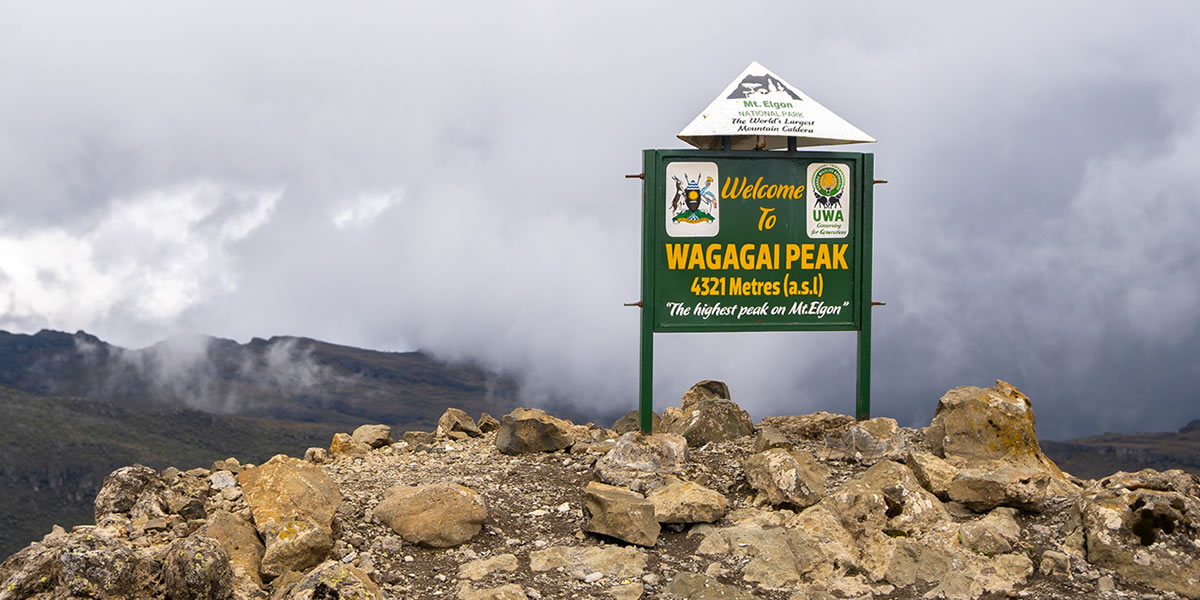
Mount Elgon, with its highest peak Wagagai (4,321 meters), is the fourth-highest mountain in East Africa. The mountain’s slopes are gentle, making it an accessible to climb for both seasoned trekkers and beginners. The hike to the summit offers spectacular views, unique vegetation zones, and a chance to experience the solitude of the wilderness.
For those who crave the thrill of the outdoors, mountain climbing and hiking in Mount Elgon National Park present an exhilarating challenge. The park is home to Mount Elgon, an extinct shield volcano with Wagagai Peak standing at 4,321 meters, making it the fourth-highest peak in East Africa. Unlike other mountains in the region, Mount Elgon’s slopes are less steep, allowing both novice and seasoned hikers to enjoy the ascent.
The park offers several trails, each with its unique characteristics and appeal. The Sasa Trail is the most direct and challenging route, starting from Budadiri and ascending through a variety of vegetation zones, from lush farmlands to bamboo forests. For those who prefer a more gradual climb, the Sipi Trail offers a scenic route that begins at the Kapkwai Forest Exploration Centre, passing through stunning landscapes and offering panoramic views of the Sipi Falls. The Piswa Trail, known for its gentler slope, is ideal for hikers who wish to take their time and immerse themselves in the serene beauty of the park’s moorlands and Podocarpus forests.
Climbing Mount Elgon is not just about reaching the summit; it’s about the journey itself. As you ascend, you’ll pass through diverse ecosystems, each with its unique flora and fauna. The higher you go, the more otherworldly the landscape becomes, with giant lobelias and groundsels dominating the heathland. Reaching Wagagai Peak, you are rewarded with breathtaking views of the massive caldera, a reminder of the mountain’s volcanic past. It’s important to note that climbing permits are required and can be obtained from the Uganda Wildlife Authority. Hiring a local guide is mandatory, not only for safety but also to enhance your experience with their knowledge of the mountain’s secrets.
- Sipi Falls in Mount Elgon National Park: Nature’s Masterpiece
One of the crown jewels of Mount Elgon National Park is Sipi Falls, a series of three stunning waterfalls located on the northeastern edge of the park. Sipi Falls is a haven for those who appreciate the raw beauty of nature and seek a more relaxed adventure. The area around the falls is perfect for hiking, abseiling, and simply soaking in the breathtaking views.
The falls can be explored through guided hikes that take you through local villages, coffee plantations, and diverse landscapes before leading you to each of the three waterfalls. The highest of these falls drops 100 meters, creating a dramatic sight as it cascades into a pool below. Along the way, you’ll have the opportunity to learn about the cultivation of Arabica coffee, a specialty of the region, and enjoy panoramic views of the surrounding plains.
For the more adventurous, abseiling down the side of the 100-meter-high waterfall offers a heart-pounding experience, with the thunderous sound of the water rushing past as you descend. Whether you’re hiking the trails or abseiling, Sipi Falls provides a perfect blend of excitement and tranquility.
- Cultural Encounters at Mount Elgon National Park: A Glimpse into Local Traditions
Mount Elgon National Park is not just a place of natural wonders; it’s also a cultural treasure trove. The park is surrounded by communities rich in tradition, particularly the Bagisu (Bamasaaba) and Sabiny tribes. Engaging with these communities offers visitors a deeper understanding of the cultural heritage that thrives in this region.
The Bagisu people are known for their Imbalu circumcision ceremony, a rite of passage for boys entering manhood. Held every even year from August to December, the ceremony is a vibrant and emotional event, characterized by singing, dancing, and drumming. Participating in or witnessing the Imbalu ceremony is a powerful way to connect with the local culture and understand the significance of this ancient tradition.
The Sabiny people, who inhabit the northern slopes of Mount Elgon, offer equally enriching cultural experiences. Known for their agricultural practices and traditional dances, the Sabiny provide visitors with an opportunity to learn about their way of life, including farming techniques, folklore, and traditional crafts. Cultural encounters in Mount Elgon are not only educational but also deeply immersive, allowing you to experience the warmth and hospitality of the local communities.
- Bird Watching at Mount Elgon National Park: A Paradise for Avian Enthusiasts
Mount Elgon National Park is a bird-watcher’s paradise, home to over 300 bird species, including several endemic and rare species. The park’s diverse habitats, ranging from lowland forests to alpine moorlands, make it an ideal location for birding.
Bird enthusiasts will find themselves captivated by the variety of species that can be spotted in the park. Endemic species such as Jackson’s francolin, black-collared apalis, and the Mount Elgon bush-shrike are a highlight for birders. The endangered Lammergeyer, also known as the bearded vulture, can occasionally be seen soaring above the cliffs, adding to the park’s allure.
The Kapkwai Forest Exploration Centre is a popular starting point for birding expeditions, offering trails that lead through rich montane forests teeming with birdlife. Tutum Cave and the trails around Chebonet Falls are also excellent spots for bird watching, where you might spot species such as the Tacazze sunbird and Hartlaub’s turaco. To enhance your birding experience, it’s advisable to hire a local guide who can help you identify the various species and provide insights into their behaviors.
- Nature Walks and Forest Exploration at Mount Elgon National Park: Discovering the Hidden Wonders
For those who prefer a more leisurely pace, nature walks in Mount Elgon National Park offer a chance to explore the park’s diverse ecosystems and hidden wonders. The park is crisscrossed with trails that lead through lush forests, alongside tranquil waterfalls, and up to scenic viewpoints.
One of the best places to start your exploration is the Kapkwai Forest Exploration Centre, which offers several nature trails suitable for all levels of fitness. These trails take you through the montane forest, where you can spot primates such as blue monkeys and black-and-white colobus monkeys, as well as a variety of bird species. The trail to Chebonet Falls is particularly rewarding, offering not only beautiful scenery but also the chance to cool off in the clear waters of the falls.
Another fascinating destination is Tutum Cave, a large lava tube that tells the story of the mountain’s volcanic history. The cave, once used as a refuge by the Sabiny people during inter-tribal conflicts, is now a peaceful spot where you can reflect on the area’s history while surrounded by nature. Nature walks in Mount Elgon National Park are a perfect way to connect with the environment and experience the park’s tranquility and beauty.
- Sport Fishing at Mount Elgon National Park: A Serene Escape
For those who enjoy a more tranquil form of adventure, sport fishing in the Sipi River offers a serene escape into nature. The river, which flows near Sipi Falls, is known for its population of rainbow trout, making it a popular spot for anglers.
Sport fishing in the Sipi River is more than just a pastime; it’s a way to immerse yourself in the natural beauty of the area. As you cast your line into the clear waters, surrounded by the stunning landscape of Mount Elgon, you’ll find a sense of peace and relaxation that is hard to match. The fishing is regulated to ensure sustainable practices, and visitors are required to obtain a fishing permit from the Uganda Wildlife Authority.
Whether you’re an experienced angler or a beginner, sport fishing in Mount Elgon National Park offers a unique way to connect with nature and enjoy the park’s serene environment.
Mount Elgon National Park is a destination that offers something for everyone. Whether you’re scaling the heights of Wagagai Peak, exploring the stunning Sipi Falls, engaging with the rich local culture, or simply enjoying a peaceful nature walk, the park provides an experience that is both diverse and unforgettable. As you plan your visit, remember that each activity offers a unique perspective on the park’s beauty and heritage, making Mount Elgon a truly special place to explore.
- Rock climbing and abseilling at Mount Elgon National Park
Mount Elgon National Park, renowned for its towering peaks and stunning landscapes, offers a thrilling rock climbing and abseiling experience that draws adventure enthusiasts from around the world. The park’s rugged terrain, combined with the dramatic cliffs and rock formations, provides an ideal setting for these adrenaline-pumping activities.
Rock Climbing: Scaling the Heights of Adventure
Rock climbing in Mount Elgon National Park is an exhilarating experience that challenges both the mind and body. The Sipi Falls area, in particular, is a popular spot for climbers, offering routes that vary in difficulty, making it suitable for both novice and experienced climbers. The cliffs around the falls are made up of solid basalt rock, providing excellent grip and stability, essential for safe and enjoyable climbing.
The climbing routes range from short, easy ascents perfect for beginners to more challenging pitches that require advanced climbing skills. As you ascend, the reward is not just the satisfaction of conquering the rock face, but also the breathtaking views of the surrounding landscape. The sight of the cascading waterfalls, lush valleys, and the distant plains makes the climb all the more worthwhile.
For those new to rock climbing, local guides and instructors are available to provide training and support. They ensure that all safety measures are followed, including the use of helmets, harnesses, and ropes. With their guidance, even beginners can confidently take on the challenge and experience the thrill of rock climbing in this unique environment.
Abseiling: Descending the Heights
For those who prefer a vertical descent, abseiling at Mount Elgon National Park offers an equally thrilling adventure. The most popular abseiling spot is at the Sipi Falls, where you can descend alongside the thundering 100-meter waterfall. The sheer drop, combined with the mist and roar of the falls, creates an adrenaline-charged experience that is hard to match.
Abseiling involves descending a vertical or near-vertical face using a rope system. At Sipi Falls, the descent starts from a secure point at the top of the cliff, with the waterfall as your backdrop. As you lower yourself down the rock face, you’ll be enveloped in the cool spray from the falls, adding to the excitement of the experience.
This activity is suitable for both beginners and experienced adventurers. Before starting the descent, you’ll receive a briefing on the techniques and safety procedures, including how to control your speed and manage the rope. With the guidance of experienced instructors, you can enjoy the thrill of abseiling while taking in the breathtaking views of the surrounding landscape.
Safety and Equipment
Safety is paramount when it comes to rock climbing and abseiling at Mount Elgon National Park. The park authorities and local tour operators ensure that all necessary safety standards are met. Equipment such as helmets, harnesses, carabiners, and ropes are provided and regularly inspected to ensure they are in top condition.
It’s also important to wear appropriate clothing and footwear. Sturdy, comfortable climbing shoes that provide good grip are essential, as well as clothing that allows for freedom of movement. The weather can be unpredictable, so it’s advisable to dress in layers and carry a waterproof jacket.
For both activities, having a local guide or instructor is recommended, especially if you are unfamiliar with the terrain or the techniques involved. These professionals have extensive knowledge of the area and can provide valuable tips and support to ensure a safe and enjoyable experience.
Beyond the Adventure
Rock climbing and abseiling at Mount Elgon National Park offer more than just a physical challenge; they provide a unique way to connect with the natural beauty of the region. After a day of climbing, visitors can explore other attractions in the park, such as hiking the various trails, visiting the caves, or enjoying a peaceful nature walk. The area around Sipi Falls is also home to coffee plantations, where you can learn about the process of growing and harvesting Arabica coffee, a specialty of the region.
Rock climbing and abseiling at Mount Elgon National Park offer an unparalleled adventure for those seeking an adrenaline rush in a breathtaking natural setting. The combination of challenging climbs, thrilling descents, and stunning scenery makes these activities a must-try for any adventure enthusiast visiting the park. With the support of experienced guides and the assurance of well-maintained equipment, you can safely push your limits and create unforgettable memories in one of Uganda’s most beautiful landscapes.
ACCOMMODATION OPTIONS AT MOUNT ELGON NATIONAL PARK
Mount Elgon National Park offers a variety of accommodation options ranging from luxury lodges to budget campsites.
- Luxury Lodges:
Sipi River Lodge: Located near Sipi Falls, this lodge offers stunning views, luxurious rooms, and excellent service.
Lacam Lodge: Positioned on the edge of a cliff overlooking Sipi Falls, Lacam Lodge provides a more rustic, yet comfortable experience with breathtaking views.
- Mid-Range Lodges:
Noah’s Ark Hotel: Located in Mbale town, this hotel offers comfortable accommodation with easy access to the park.
Kapkwai Forest Cottages: Located at the Kapkwai Forest Exploration Centre, these cottages provide basic amenities in a serene environment.
- Budget Options:
Crow’s Nest Rest Camp: A budget-friendly option offering basic accommodation near Sipi Falls.
Kapkwata Rest Camp: Ideal for hikers, this camp offers basic facilities and is a great starting point for the Piswa Trail.
Best Time to Visit Mount Elgon National Park
The best time to visit Mount Elgon National Park is during the dry seasons from June to August and December to March. During these months, the trails are less slippery, and the weather is more favorable for hiking and outdoor activities.
Accessibility of Mount Elgon National Park
Mount Elgon National Park is accessible by road from Kampala, Uganda’s capital, which is about 235 kilometers away. The journey takes approximately 4-5 hours by car. There are also regular buses that travel from Kampala to Mbale, the nearest major town to the park.
Entry Fees and Permits at Mount Elgon National Park
Park Entry Fee: Visitors are required to pay a park entry fee, which varies for foreign tourists, East African residents, and Ugandan citizens.
Climbing Permits: A climbing permit is required for those intending to hike to the summit. These permits can be obtained from the Uganda Wildlife Authority.
Guides and Porters: Hiring a guide is mandatory for climbing the mountain, and porters are available to assist with carrying luggage.
Tips for Travelers
- Ensure you are physically fit for the hikes and pack appropriate gear, including warm clothing, waterproof jackets, sturdy hiking boots, and a first-aid kit.
- Hydration and Altitude: The altitude can affect climbers, so it’s important to stay hydrated and pace yourself during the ascent.
- Engage local guides not just for their expertise, but also to support the local economy.
Mount Elgon National Park offers a unique combination of adventure, nature, and culture. Whether you’re an avid hiker, a bird-watching enthusiast, or simply someone looking to escape the hustle and bustle of city life, Mount Elgon is an ideal destination that promises an unforgettable experience.
Lake Mburo National Park is one of Uganda’s most stunning and accessible national parks, offering a unique blend of wildlife, landscapes, and activities. Located in the western part of Uganda, about 240 kilometers from Kampala, the park covers an area of 370 square kilometers. It is the smallest of Uganda’s savannah parks, yet it is teeming with life and diverse ecosystems, making it a must-visit for nature enthusiasts and adventure seekers.
What Makes Lake Mburo Unique?
Lake Mburo National Park is characterized by its rolling hills, wooded savannah, and scattered lakes. Unlike other national parks in Uganda, Lake Mburo lacks large predators like lions, making it an ideal destination for activities such as walking safaris. The park is also unique because of its mosaic of habitats parks, but it is incredibly rich in biodiversity, making it a prime destination for nature lovers and adventure seekers alike.
Wildlife and Scenery in Lake Mburo National Park
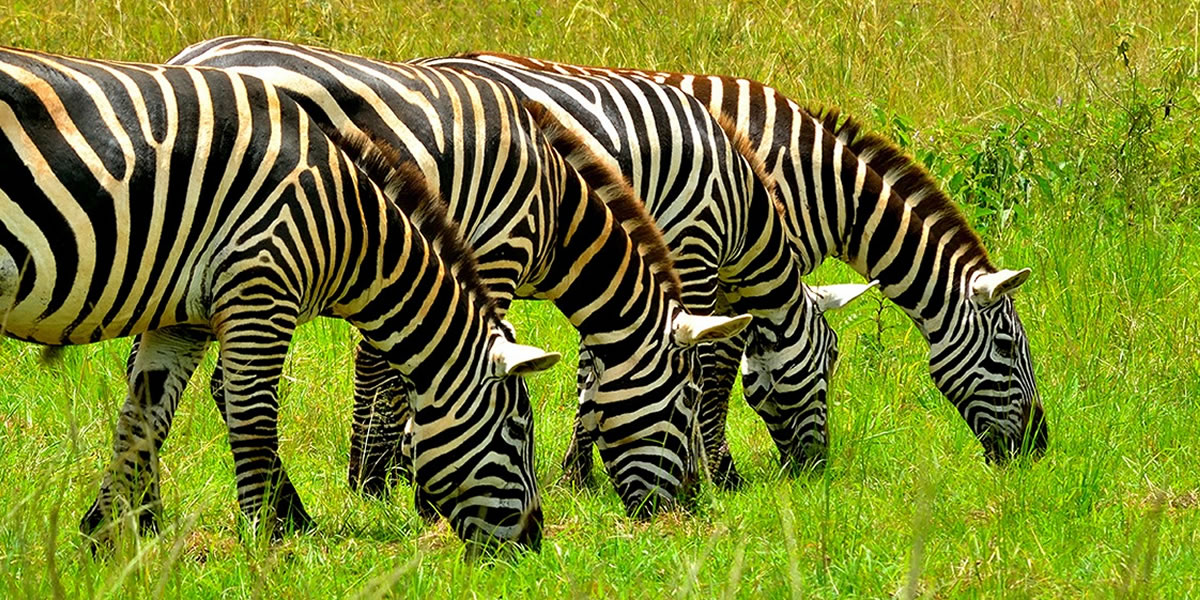
Lake Mburo National Park is a haven for a wide variety of wildlife, including the rare and elusive eland, the largest antelope species, as well as zebras, impalas, buffaloes, and warthogs. The park is one of the few places in Uganda where you can see the Burchell’s zebra and the impala. In addition to these, Lake Mburo is home to several species of leopards, hyenas, jackals, and over 300 species of birds, including the majestic African fish eagle and the colorful Ross’s turaco.
The park’s landscape is a mosaic of rolling hills, open and wooded savannahs, acacia woodlands, rocky outcrops, and numerous lakes and swamps. Lake Mburo, the largest of the five lakes found in the park, is at the heart of this ecosystem, providing a picturesque setting that is ideal for various activities.
ACTIVITIES IN LAKE MBURO NATIONAL PARK
- Game Drives: Discovering the Wild at Sunrise and Sunset
Imagine setting out on a game drive just as the first light of dawn breaks over the horizon. The cool morning air is filled with the earthy scent of dew-kissed grass, and the savannah slowly comes to life. As your vehicle gently rumbles over the park’s tracks, you suddenly spot a herd of zebras grazing peacefully, their striped coats standing out against the golden grasses. The thrill of the sight sends a wave of excitement through you.
As the day progresses, the sun climbs higher, and the park reveals more of its inhabitants elegant giraffes nibbling at the treetops, stately buffaloes watching your approach with curiosity, and impalas darting gracefully through the underbrush. The experience culminates at sunset when the sky is painted in hues of orange and pink, and the silhouettes of animals against the backdrop create a perfect picture of African wilderness.
Opt for a night drive, and you’ll find yourself in a completely different world. The darkness heightens your senses as you venture into the unknown, guided only by the beam of a spotlight. The anticipation builds as your guide scans the landscape, and then there it is a leopard, sleek and powerful, slinking through the shadows. The thrill of seeing such an elusive creature in the wild is unmatched, leaving you in awe long after the drive ends.
- Boat Cruises on Lake Mburo: A Serenade by the Water
Step aboard a boat on the serene waters of Lake Mburo, where the only sounds are the gentle lapping of water against the hull and the occasional call of a fish eagle soaring overhead. As you glide across the lake, the peacefulness of the surroundings envelops you. The distant mountains, lush green banks, and the vast expanse of water create a perfect panorama.
Your boat cruise is not just a visual feast but also a journey into the heart of the park’s aquatic life. You’ll find yourself just meters away from pods of hippos as they lounge lazily in the water, their massive bodies nearly submerged, while a family of crocodiles basks on the shore, their eyes peering out as you drift by.
The boat takes you close enough to observe water birds in their natural habitat kingfishers diving into the water with precision, and herons wading through the shallows. The tranquility of the lake is mesmerizing, and as the sun sets, the water reflects the vibrant colors of the sky, creating a magical end to your day.
- Nature Walks in Lake Mburo National Park: Touching the Pulse of the Wild
Walking through Lake Mburo National Park is like stepping into a different world one where you’re not just an observer but a part of the landscape. Guided by an experienced ranger, you’ll tread softly along paths that lead you deep into the park’s hidden corners, where the sounds of the wild surround you.
Feel the earth beneath your feet as you walk through open savannahs, acacia woodlands, and along the shores of tranquil lakes. Your guide shares stories and insights about the flora and fauna, pointing out the medicinal properties of plants and the subtle signs of wildlife that many would miss. You’ll learn to read the landscape as the animals do, understanding the delicate balance of life in the wild.
A highlight of the walk is reaching the salt lick, a natural clearing where animals gather to satisfy their mineral needs. Here, you’ll see them in their most natural state giraffes stretching out their necks to lick the salty earth, or impalas quietly approaching the site. The sense of intimacy and connection you feel during these moments is unparalleled.
For bird lovers, the Rubanga Forest walk offers a sensory overload. The dense canopy overhead filters the sunlight, creating dappled patterns on the forest floor. The air is alive with the sounds of birdsong, and with each step, you catch glimpses of colorful feathers flitting through the trees. The forest is a sanctuary of biodiversity, and exploring it on foot allows you to fully immerse yourself in its wonders.
- Horseback Safaris in Lake Mburo National Park: Riding Through the Wild
Imagine the thrill of riding on horseback through the heart of Lake Mburo National Park, where the only sounds are the rhythmic beat of hooves on the earth and the rustling of the wind through the grasses. There’s something incredibly freeing about exploring the park on horseback, moving silently through the wilderness and approaching animals in a way that feels almost magical.
As you ride through the park, you’ll find yourself just a few feet away from herds of impalas and zebras, who barely notice your presence. The horses allow you to blend into the environment, offering a unique vantage point to observe the wildlife up close. The gentle sway of the horse beneath you, combined with the breathtaking scenery, creates an unforgettable experience.
The ride takes you through varied landscapes from open savannahs to wooded thickets each offering a different perspective of the park’s beauty. Whether you’re an experienced rider or a beginner, the sense of adventure and connection with nature on a horseback safari is something you’ll cherish forever.
- Bird Watching: A Symphony of Wings and Songs
For bird enthusiasts, Lake Mburo National Park is nothing short of paradise. As you venture into the park with binoculars in hand, you’re entering a world where every rustle in the trees or flash of color could be a rare avian treasure. The park’s diverse habitats from lakeshores and wetlands to forests and savannahsare home to over 300 species of birds, each more intriguing than the last.
Picture yourself by the water’s edge, where the elusive African finfoot glides silently across the surface, or in the dense underbrush where the vibrant Ross’s turaco makes a sudden, dazzling appearance. Every moment spent bird watching in Lake Mburo is a chance to witness the beauty and diversity of the avian world.
The thrill of spotting a rare species, the joy of hearing the melodic calls of different birds, and the satisfaction of ticking off a new species from your checklist these are the experiences that make bird watching in Lake Mburo truly special.
- Fishing in Lake Mburo National Park: Peaceful Moments by the Lake
Fishing in Lake Mburo is more than just a pastime—it’s an experience of serenity and connection with nature. As you sit by the shore of Mazinga, rod in hand, the peacefulness of the surroundings takes over. The lake, with its calm waters and abundant fish, invites you to relax and unwind.
Feel the gentle tug on your line as a fish bites, and the excitement builds as you reel it in. Whether you catch tilapia or another species, the thrill of the catch is matched only by the tranquility of the setting. The time you spend fishing here is not just about the fish, but about the moments of reflection and peace you find by the water’s edge.
- Cultural Encounters in Lake Mburo National Park: Stepping into the Life of the Banyankole
Visiting the communities around Lake Mburo offers an authentic glimpse into the lives of the Banyankole people, whose traditions and way of life have remained largely unchanged for centuries. As you step into a traditional homestead (Manyatta), you are welcomed by the warm smiles of the locals, eager to share their culture with you.
You’ll learn about the Ankole cattle, renowned for their impressive long horns, and their significance in the Banyankole culture. Watching a herdsman skillfully manage his cattle or witnessing the traditional milking process gives you a deep appreciation for the relationship between the people and their livestock.
The visit is not just an educational experience but also a chance to connect with the people, share stories, and even participate in traditional activities. The hospitality of the Banyankole and their rich cultural heritage make this encounter a memorable part of your journey to Lake Mburo.
Lake Mburo National Park offers a tapestry of experiences that go beyond the typical safari. Whether you’re exploring the park’s landscapes on foot, horseback, or by boat, or immersing yourself in the local culture, each activity in Lake Mburo is designed to bring you closer to nature and to the heart of Uganda. It’s a place where the wild and the tranquil coexist, creating a perfect escape for anyone seeking to experience the beauty of Africa in an intimate and unforgettable way.
Best Time to Visit Lake Mburo National Park
Lake Mburo National Park can be visited year-round, but the best time for wildlife viewing is during the dry seasons from June to August and December to February when animals are more concentrated around the water sources.
ACCOMMODATION OPTIONS AT LAKE MBURO NATIONAL PARK
Lake Mburo National Park offers a range of accommodation options that cater to various preferences and budgets, ensuring that every visitor finds a comfortable and memorable place to stay. Whether you are looking for luxury, mid-range, or budget options, the park has something to suit your needs.
- Luxury Lodges
Kigambira Safari Lodge is a luxury accommodation located within Lake Mburo National Park. Nestled in the lush surroundings of the park, the lodge offers comfortable cottages with en-suite bathrooms and private verandas, providing guests with stunning views of the park’s landscape. The lodge features a restaurant serving local and international cuisine, a bar, and a swimming pool. It’s an excellent choice for travelers looking to immerse themselves in nature while enjoying a cozy and serene environment. The lodge’s location within the park allows for easy access to wildlife viewing, guided nature walks, and boat trips on Lake Mburo.
Perched on a rocky outcrop with sweeping views over the park, Mihingo Lodge is the epitome of luxury in Lake Mburo National Park. This exclusive lodge offers a blend of comfort, elegance, and nature, with a focus on providing a serene and intimate experience.
Each of the tented rooms is uniquely designed to blend with the natural environment, offering a sense of seclusion and tranquility. The rooms are spacious, featuring en-suite bathrooms and private verandas that overlook the stunning landscape. The infinity pool is a highlight, offering breathtaking views of the park and a perfect spot to unwind after a day of adventure.
Dining at Mihingo Lodge is a gourmet experience, with meals prepared using fresh, local ingredients. The lodge also offers a range of activities, including horseback safaris, nature walks, and night game drives, making it an ideal base for exploring the park.
- Mid-Range Lodges
It’s a mid-range accommodation located near Lake Mburo National Park. The lodge offers spacious tented chalets and cottages, each with en-suite bathrooms and private balconies overlooking the park’s scenic landscape. The lodge features a restaurant, bar, and swimming pool, providing a comfortable and relaxing environment for guests. Its proximity to the park makes it a convenient base for wildlife viewing, game drives, and nature walks, allowing visitors to fully experience the beauty of Lake Mburo National Park.
Rwakobo Rock is a peaceful and rustic lodge located just outside the park, offering easy access to Lake Mburo’s attractions. The lodge is set on a large granite outcrop, providing stunning views of the park’s landscape.
The accommodation at Rwakobo Rock includes comfortable thatched cottages and a main lodge area, all designed to blend harmoniously with the natural surroundings. Each cottage is spacious and features en-suite bathrooms, solar-powered lighting, and private verandas where guests can relax and enjoy the scenery.
The lodge’s dining area serves hearty and wholesome meals, and guests can also enjoy the swimming pool, nature walks, and guided bird-watching tours. Rwakobo Rock is known for its warm hospitality and commitment to sustainability, making it a popular choice for eco-conscious travelers.
Arcadia Cottages offers a comfortable and mid-range accommodation option within Lake Mburo National Park. The cottages are nestled among lush greenery, providing a tranquil retreat with easy access to the park’s attractions. Each cottage is equipped with modern amenities, including en-suite bathrooms, comfortable beds, and private verandas that offer beautiful views of the surrounding landscape.
The lodge’s restaurant serves a variety of dishes, including local Ugandan cuisine and international favorites. Guests can enjoy activities such as game drives, boat cruises, and cultural tours, or simply relax by the campfire under the starlit sky.
- Budget Options
For budget-conscious travelers, Eagle’s Nest offers affordable yet comfortable accommodation with stunning views of the park. This budget lodge is located on a hilltop just outside the park’s boundaries, providing panoramic vistas of Lake Mburo and the surrounding savannah.
Eagle’s Nest features simple yet cozy safari tents, each equipped with basic amenities and shared bathroom facilities. The tents are designed to provide a close-to-nature experience, allowing guests to fully immerse themselves in the park’s environment.
The lodge’s restaurant serves simple and hearty meals, and guests can enjoy activities such as guided nature walks, bird watching, and visits to the nearby communities. Eagle’s Nest is an excellent choice for travelers seeking an authentic and budget-friendly experience in Lake Mburo.
Leopard Rest Camp offers budget-friendly accommodation within close proximity to Lake Mburo National Park. The camp provides a range of options, from basic safari tents to more comfortable cottages, catering to different levels of budget and comfort.
The camp’s restaurant serves a variety of meals, and guests can relax in the communal areas, which include a lounge and bar. Leopard Rest Camp is ideal for backpackers, solo travelers, and families looking for affordable accommodation with easy access to the park.
Camping
For those who prefer to be even closer to nature, Lake Mburo National Park offers several campsites within the park, including at Rwonyo Rest Camp. These campsites are basic but provide an authentic bush experience, with the chance to hear the sounds of the wild as you sleep under the stars. Campers are advised to bring their own camping gear, although some sites may offer tents for hire.
No matter your budget or preference, Lake Mburo National Park has an accommodation option that will enhance your experience of this beautiful and diverse landscape. From luxurious lodges with breathtaking views to budget-friendly campsites that bring you closer to nature, each option offers a unique way to enjoy the park’s natural beauty and abundant wildlife.
Getting There at Lake Mburo National Park
The park is easily accessible by road from Kampala, with a drive time of about 4-5 hours. The journey takes you through the beautiful countryside of western Uganda, offering scenic views along the way.
Lake Mburo National Park may be the smallest savannah park in Uganda, but it is full of adventure and opportunities to connect with nature. Whether you are interested in wildlife, bird watching, or cultural experiences, Lake Mburo offers something for every traveler. Its proximity to Kampala makes it an ideal destination for a weekend getaway or a stopover on the way to other national parks in Uganda.
Mgahinga National Park, located in the southwestern corner of Uganda, is a captivating destination offering a unique blend of natural beauty and cultural heritage.
Mgahinga National Park is part of the Virunga Mountain range, renowned for its volcanic peaks and lush montane forest. Spanning approximately 33,000 hectares, the park is the smallest in Uganda but is home to an array of wildlife, including the endangered mountain gorilla. It forms part of the Greater Virunga Landscape, which extends into Rwanda and the Democratic Republic of Congo.
ACTIVITIES IN MGAHIGA NATIONAL PARK
- Gorilla Trekking in Mgahinga National Park
Gorilla trekking in Mgahinga National Park is an extraordinary adventure that allows visitors to encounter one of the world’s most endangered species, the mountain gorilla, in its natural habitat. Mgahinga, although Uganda’s smallest national park, is part of the larger Virunga Conservation Area, which is home to the Nyakagezi Gorilla Group. This activity is a once-in-a-lifetime experience, offering intimate encounters with these gentle giants amid the park’s mist-covered forests and rugged terrain.
The Trekking Experience in Mgahinga National Park
- Preparation:
Permits: Gorilla trekking requires a permit, which must be obtained in advance from the Uganda Wildlife Authority (UWA). Permits are limited to a small number of visitors per day to minimize the impact on the gorillas and enhance the quality of the experience.
What to Wear: Sturdy hiking boots, long-sleeved shirts, long trousers, and waterproof clothing are essential due to the challenging terrain and the likelihood of rain. Gloves are recommended for handling vegetation, and a hat and sunscreen for sun protection.
- The Trek:
Briefing: The day begins with a briefing at the park headquarters, where guides provide essential information on the trekking process, safety precautions, and gorilla behavior. The briefing is crucial to ensuring that the encounter is safe for both the visitors and the gorillas.
Tracking the Gorillas: Experienced guides and trackers lead visitors into the forest, following signs of the gorillas’ recent activity, such as broken bamboo, dung, and nests. The trek can take anywhere from 1 to 4 hours depending on the location of the gorillas, with the terrain ranging from relatively flat to steep and rugged.
Encounter: Once the gorillas are found, visitors have a magical hour to observe and photograph them at close quarters. This hour is filled with awe as you watch the gorillas go about their daily routines, from feeding and grooming to playful interactions and resting.
- Interaction:
Close Encounters: Observing gorillas in their natural habitat is an intimate experience. You may witness a range of behaviors, including the strong bond between the silverback and his family, the nurturing of young ones, and the social dynamics within the group.
Photography: While photography is encouraged, flash photography is prohibited as it can disturb the gorillas. The low light in the forest may require cameras with good low-light capabilities.
- Guidelines and Etiquette:
Maintaining Distance: Visitors are required to maintain a distance of at least 7 meters from the gorillas to prevent the transmission of diseases between humans and gorillas, who share about 98% of their DNA with humans.
Health Precautions: To further protect the gorillas, visitors showing symptoms of contagious diseases, such as the flu or a cold, may be barred from trekking. Additionally, smoking, eating, or drinking near the gorillas is not allowed.
Behavior: Silence or speaking in low tones is essential to avoid startling the gorillas. Following the guide’s instructions at all times ensures a safe and respectful interaction.
Gorilla trekking in Mgahinga National Park is an unforgettable experience that offers a deep connection with one of the world’s most magnificent creatures. The combination of challenging trekking, breathtaking landscapes, and the incredible opportunity to spend time with mountain gorillas makes it a highlight of any trip to Uganda. This activity not only provides a personal encounter with these endangered primates but also contributes to their ongoing conservation and the well-being of local communities.
Mgahinga is one of Uganda’s prime locations for gorilla trekking. The park is home to the Nyakagezi Gorilla Group, which is known for its diverse family structure and dynamic social interactions. Trekking to see these majestic creatures can be a transformative experience, offering a rare glimpse into their natural behavior in a dense forest environment.
- Golden Monkey Tracking in Mgahinga National Park
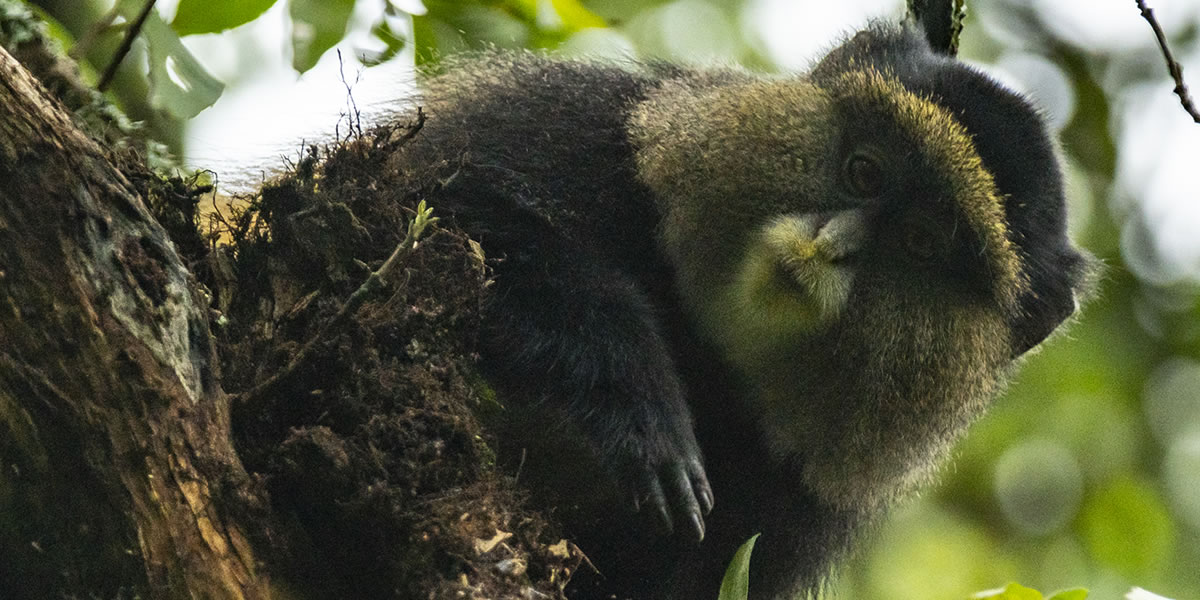
Golden monkey tracking is a unique wildlife experience offered in Mgahinga National Park, where visitors can observe the vibrant and endangered golden monkeys in their natural habitat. These monkeys are endemic to the Virunga volcanic region, which spans Uganda, Rwanda, and the Democratic Republic of Congo. With their striking golden-orange fur and lively behavior, these primates provide an exhilarating and memorable encounter.
About the Golden Monkeys in Mgahinga National Park
Species:The golden monkeys (Cercopithecus mitis kandti) are a subspecies of the blue monkey. They are known for their bright golden-yellow bodies, contrasting with darker limbs and faces. Their lively and social nature makes them fascinating to observe.
Habitat: Golden monkeys primarily inhabit the bamboo forests within Mgahinga National Park. These forests provide an abundant source of bamboo shoots, their favorite food, and offer a lush environment that is essential for their survival.
The Tracking Experience in Mgahinga National Park
- Preparation:
Permits: A permit is required to track golden monkeys in Mgahinga National Park. These permits can be purchased through the Uganda Wildlife Authority (UWA) and are usually less expensive than gorilla trekking permits, making it an accessible activity for many visitors.
What to Bring:It’s recommended to wear comfortable, long-sleeved clothing and sturdy hiking boots due to the often muddy and steep trails. A light rain jacket, insect repellent, and a camera with a zoom lens are also essential.
- The Trek:
Starting Point: The trek typically begins at the Ntebeko Visitor Center, where visitors receive a briefing from the park rangers about what to expect and the rules to follow during the activity.
The Journey: Guided by experienced rangers, visitors venture into the park’s bamboo forests in search of the golden monkeys. The trek can vary in length, often taking between 1 to 3 hours depending on the monkeys’ location. The trails wind through dense bamboo thickets, requiring a moderate level of fitness.
Tracking Process: The rangers use their knowledge of the monkeys’ habits and movement patterns to lead the group to the location of the golden monkeys. Along the way, you’ll have the chance to appreciate the park’s rich biodiversity, including various plant species and birdlife.
- Interaction:
Observation Time: Once the golden monkeys are found, visitors are allowed to spend approximately one hour observing them. This time offers a rare glimpse into their daily lives, including feeding, grooming, and social interactions.
Behavior: Golden monkeys are known for their playful and energetic behavior. You may see them leaping between bamboo stems, foraging for food, or engaging in social play. Their bright fur and active movements make them a joy to watch and photograph.
Photography: While the dense bamboo forest can present challenges for photography, the monkeys’ vibrant coloring and dynamic behavior provide excellent opportunities for capturing memorable shots. Flash photography is prohibited to avoid disturbing the animals.
- Guidelines and Etiquette:
Distance: Visitors are advised to maintain a distance of at least 7 meters from the monkeys to avoid disturbing them and to minimize the risk of disease transmission.
Quiet Observation: To ensure a respectful and undisturbed experience, visitors should remain quiet and avoid sudden movements. This helps to keep the monkeys comfortable and allows for a more natural observation.
No Feeding: Feeding the monkeys is strictly prohibited as it can disrupt their natural feeding patterns and behavior.
Golden monkey tracking in Mgahinga National Park offers a unique and rewarding wildlife experience, allowing visitors to connect with one of the region’s most colorful and charismatic primates. Whether you’re an avid wildlife enthusiast or simply looking for a special encounter with nature, this activity provides an opportunity to observe golden monkeys in their natural environment while contributing to their conservation and the well-being of local communities.
- Volcano Climbing in Mgahinga National Park
Mgahinga National Park, part of the Virunga Mountain Range, is home to three extinct volcanoes: Mount Muhabura, Mount Gahinga, and Mount Sabyinyo. Climbing these volcanoes is one of the most thrilling and adventurous activities in the park, offering breathtaking views, diverse vegetation zones, and the chance to stand at the meeting point of Uganda, Rwanda, and the Democratic Republic of Congo.
Volcanoes to Climb in Mgahinga National Park
- Mount Muhabura (4,127 meters)
Also known as “The Guide,” Mount Muhabura is the highest of the three volcanoes in Mgahinga National Park. It is a challenging climb that rewards hikers with spectacular views of the Virunga range, Lake Edward, and even parts of Rwanda and the Democratic Republic of Congo.
Climbing Experience:
Difficulty: The climb is steep and strenuous, requiring a good level of fitness. It takes about 8 to 10 hours to complete the round trip.
Trail: The trail leads through various vegetation zones, starting with montane forest and progressing to heath and moorland. At the summit, hikers are greeted by a small crater lake.
Highlights:The summit offers panoramic views of the surrounding landscape, making the effort worthwhile for those who seek a rewarding challenge.
- Mount Gahinga (3,474 meters)
Named after the local word for a small pile of stones, Mount Gahinga is the smallest of the three volcanoes but still provides a rewarding hike. The mountain is characterized by its gentle slopes and a large swamp-filled crater at the top.
Climbing Experience:
Difficulty: The climb is moderate and takes about 6 hours to ascend and descend. It is less challenging than Mount Muhabura, making it suitable for hikers of varying fitness levels.
Trail: The trail passes through dense bamboo forests, home to golden monkeys, and transitions into alpine vegetation as you approach the summit.
Highlights: The swamp-filled crater at the top is a unique feature, and the surrounding views are equally impressive. The bamboo forests are also a highlight for nature enthusiasts.
- Mount Sabyinyo (3,669 meters)
Mount Sabyinyo, also known as “Old Man’s Teeth” due to its rugged summit, is the most dramatic of the three volcanoes. The mountain’s peak marks the border point of Uganda, Rwanda, and the Democratic Republic of Congo.
Climbing Experience:
Difficulty: The climb is challenging and requires scrambling over steep ridges and ladders. The round trip takes about 8 hours.
Trail: The trail is rugged, with steep ascents and descents along narrow ridges. The final ascent involves climbing a series of ladders to reach the summit.
Highlights: Standing at the summit, you can be in three countries simultaneously. The view from the top is stunning, with a clear view of the other Virunga volcanoes and the surrounding landscapes.
Preparation for Volcano Climbing at Mgahinga National Park
Permits: While there is no specific permit required for climbing the volcanoes, you need to pay the park entry fees, which can be arranged through the Uganda Wildlife Authority (UWA).
Guides: Climbing the volcanoes requires a park ranger guide who will lead the way, provide information about the flora and fauna, and ensure your safety throughout the trek.
What to Bring: Essential gear includes sturdy hiking boots, layered clothing for varying temperatures, a rain jacket, gloves, a hat, and a walking stick. It’s also important to carry enough water and energy snacks.
What to Expect at volcano climbing in Mgahinga National Park
- Diverse Vegetation Zones:
The climb takes you through different vegetation zones, from lush montane forests and bamboo groves to heath and moorland, each offering its own unique scenery and wildlife.
While on the trail, you may encounter various wildlife, including golden monkeys, duikers, and a variety of bird species. The forested areas are particularly rich in biodiversity.
The higher you climb, the more spectacular the views become. On a clear day, you can see far into the neighboring countries and take in the full beauty of the Virunga range.
Best Time for Volcano Climbing in Mgahinga National Park
Dry Seasons:The best times to climb the volcanoes are during the dry seasons, from June to August and December to February, when the trails are less muddy and the weather is more stable.
Weather Considerations: Even during the dry season, the weather can be unpredictable, with sudden rain showers and cooler temperatures at higher altitudes, so it’s important to be well-prepared.
Fitness Level and Safety:
Volcano climbing in Mgahinga requires a good level of physical fitness, especially for Mount Muhabura and Mount Sabyinyo, which involve steep and challenging terrain. It’s recommended to undertake some preparatory hikes before attempting these climbs.
Always follow the instructions of your guide, stick to the designated trails, and be mindful of the altitude, which can cause fatigue and breathlessness.
Volcano climbing in Mgahinga National Park offers an unparalleled adventure for those seeking both a physical challenge and a deep connection with nature. Whether you choose the steep ascent of Mount Muhabura, the gentle slopes of Mount Gahinga, or the rugged ridges of Mount Sabyinyo, each volcano promises a unique and rewarding experience. The combination of diverse landscapes, rich biodiversity, and stunning views makes volcano climbing an essential activity for visitors to Mgahinga National Park.
- Bird Watching in Mgahinga National Park
Bird watching in Mgahinga National Park is a captivating experience, offering bird enthusiasts the chance to explore one of Uganda’s most biodiverse habitats. The park, nestled within the Virunga Mountain Range, is home to over 180 bird species, including several Albertine Rift endemics that are rarely seen elsewhere. The diverse ecosystems, ranging from montane forests to bamboo groves and alpine moorlands, provide a rich environment for birdlife, making Mgahinga a must-visit destination for bird watchers.
Key Bird Species in Mgahinga National Park
Rwenzori Turaco (Gallirex johnstoni):With its striking green and crimson plumage, the Rwenzori Turaco is one of the most sought-after birds in the park. It is often seen in the montane forests.
Kivu Ground Thrush (Zoothera tanganjicae): This elusive thrush is known for its melodious song and is best spotted in the dense undergrowth.
Shelley’s Crimsonwing (Cryptospiza shelleyi): A rare and endangered species, Shelley’s Crimsonwing can occasionally be spotted in the higher altitude zones of the park.
Dwarf Honeyguide (Indicator pumilio):Another endemic species, this small bird is known for its unique symbiotic relationship with honeybees.
Cinnamon Bracken Warbler (Bradypterus cinnamomeus): This warbler, with its distinctive song, is commonly found in the park’s underbrush.
Ruwenzori Batis (Batis diops): A small, active bird often seen flitting through the montane forest canopy.
Blue-headed Sunbird (Cyanomitra alinae):Known for its iridescent blue head, this sunbird is frequently seen in the park’s flowering trees.
Western Green Tinkerbird (Pogoniulus coryphaeus): A tiny bird with a powerful call, often heard before it’s seen.
Bird Watching Trails in Mgahinga National Park
- Gorge Trail:
The Gorge Trail is one of the best trails for bird watching in Mgahinga. It winds through dense montane forests, offering excellent opportunities to spot both forest birds and Albertine Rift endemics.Along this trail, you can expect to see species like the Rwenzori Turaco, Dusky Crimsonwing, and various warblers. The trail’s elevation changes provide access to different bird habitats.
- Bamboo Trail:
The Bamboo Trail traverses the park’s extensive bamboo forest, a unique habitat that supports a variety of bird species.
This trail is ideal for spotting golden monkeys as well as bird species like the Yellow-eyed Black Flycatcher and the Dwarf Honeyguide. The bamboo attracts several insectivorous birds.
- Muhabura Ridge:
For the more adventurous bird watcher, the ascent of Mount Muhabura offers the chance to observe high-altitude bird species and enjoy panoramic views.
At higher elevations, look out for species such as the Ruwenzori Double-collared Sunbird and the Alpine Chat.
Best Time for Bird Watching in Mgahinga National Park
Dry Seasons:The best time for bird watching in Mgahinga is during the dry seasons from June to August and December to February. During these periods, the trails are easier to navigate, and birds are more active, especially in the mornings.
Migratory Seasons: Between March and May, the park also sees an influx of migratory birds, adding to the diversity of species available for observation.
Guided Bird Watching
Hiring a knowledgeable guide from the Uganda Wildlife Authority (UWA) is highly recommended. These guides are familiar with the bird species, their calls, and the best spots to find them.
Local community guides also offer bird-watching tours. Their deep knowledge of the area and its wildlife, combined with traditional insights, can enrich your bird-watching experience.
Bird watching in Mgahinga National Park is a rewarding experience, offering a glimpse into the rich avian diversity of the Albertine Rift. Whether you’re a seasoned birder or a casual nature lover, the park’s varied habitats and rare bird species make it an ideal destination for bird watching. The opportunity to see endemic species in their natural environment, combined with the stunning landscapes of the Virunga Mountains, ensures that your bird-watching adventure in Mgahinga will be both fulfilling and unforgettable.
- Nature Walks in Mgahinga National Park
Nature walks in Mgahinga National Park offer a serene and immersive way to explore the park’s diverse ecosystems, from dense montane forests to bamboo groves and open moorlands. These walks allow visitors to connect deeply with nature, observe unique wildlife, and appreciate the stunning landscapes of the Virunga Mountains at a leisurely pace. Whether you are interested in botany, bird watching, or simply enjoying the peaceful surroundings, a nature walk in Mgahinga is an enriching experience.
Popular Nature Walks in Mgahinga National Park
- The Batwa Trail:
The Batwa Trail is more than just a walk; it’s a cultural journey that takes you through the forest and into the lives of the Batwa people, the original inhabitants of the forest. Led by Batwa guides, this trail provides insights into their traditional way of life, including hunting techniques, gathering medicinal plants, and using the forest for shelter.
Along the trail, visitors can explore ancient caves, listen to traditional Batwa songs and stories, and learn about the deep connection the Batwa have with the forest. The highlight is the Garama Cave, a sacred site where the Batwa used to perform rituals. The trail emphasizes the importance of conserving the Batwa culture while protecting the forest. It also provides an opportunity for visitors to contribute to the well-being of the Batwa community, as part of the tour fees go directly to them.
- The Sabinyo Gorge Trail:
The Sabinyo Gorge Trail is a beautiful nature walk that takes you deep into the heart of Mgahinga’s montane forest. The trail follows a stream through a lush gorge, offering opportunities to spot various bird species and primates.
The trail is known for its rich birdlife, including the Rwenzori Turaco and other Albertine Rift endemics. Hikers might also encounter golden monkeys, which are native to this region. The walk culminates in a stunning view of the Sabinyo Gorge, a deep, forested valley that cuts through the park.The Sabinyo Gorge Trail is moderately challenging, with some steep sections. It typically takes about 3 to 4 hours to complete.
- The Border Trail:
The Border Trail is an intriguing walk that takes you along the international border between Uganda and Rwanda, offering a unique perspective on the Virunga landscape. This trail loops around Mount Gahinga and provides stunning views of the three volcanoes: Sabinyo, Gahinga, and Muhabura.
Along the trail, you’ll pass through different vegetation zones, including bamboo forests, where you might spot golden monkeys. The trail also offers panoramic views of the surrounding countryside, with opportunities to see local communities and farmland across the border. The Border Trail is relatively easy, making it suitable for most visitors. It takes about 5 hours to complete the loop, depending on your pace and interest in the flora and fauna.
Flora and Fauna
Vegetation Zones: The nature walks in Mgahinga take you through various vegetation zones, including montane forests, bamboo groves, and moorlands. Each zone has its unique plant species, from towering trees and colorful wildflowers to dense bamboo thickets.
Wildlife: While on a nature walk, you might encounter several of the park’s residents, including primates like golden monkeys and baboons, as well as smaller mammals like duikers. Birdlife is abundant, with opportunities to spot Albertine Rift endemics and other forest birds. The walks also offer a chance to observe various reptiles, insects, and amphibians that thrive in this rich ecosystem.
Nature walks in Mgahinga National Park offer a peaceful and educational way to experience the beauty and biodiversity of this unique region. Whether you’re exploring the cultural heritage of the Batwa people, enjoying bird watching in the Sabinyo Gorge, or taking in the views along the Border Trail, each walk provides a different perspective on the park’s natural and cultural treasures. These walks are perfect for anyone looking to connect with nature at a slower pace, making them a highlight of any visit to Mgahinga National Park.
- Cultural Encounters in Mgahinga National Park
Cultural encounters in Mgahinga National Park offer visitors the unique opportunity to immerse themselves in the rich cultural heritage of the Batwa people, one of Africa’s oldest indigenous communities. Known as the “Keepers of the Forest,” the Batwa lived in the forests of southwestern Uganda for thousands of years before the establishment of national parks. These encounters provide a rare and intimate glimpse into the Batwa’s traditional way of life, their deep connection with the forest, and their enduring cultural practices.
The Batwa Cultural Experience in Mgahinga National Park
- The Batwa Trail:
The Batwa Trail is the center piece of cultural encounters in Mgahinga National Park. This guided walk is led by Batwa guides who share their knowledge of the forest and its resources. The trail offers visitors a chance to learn about the Batwa’s ancient traditions, including their hunting and gathering techniques, medicinal plant use, and spiritual beliefs.
Cultural Insights: Along the trail, Batwa guides demonstrate traditional skills such as making fire using sticks, setting up animal traps, and building shelters from natural materials. Visitors also learn about the plants used for food, medicine, and ceremonial purposes. The guides share stories passed down through generations, giving a personal and historical context to the Batwa way of life.
Garama Cave: The highlight of the Batwa Trail is the visit to Garama Cave, a sacred site where the Batwa once held important ceremonies and meetings. Inside the cave, visitors are treated to traditional Batwa songs and dances, performed by the Batwa themselves. The haunting melodies echoing through the cave create a powerful and emotional experience, reflecting the Batwa’s deep spiritual connection to the forest.
- Batwa Community Visits:
Beyond the Batwa Trail, visitors can also arrange visits to Batwa communities living near the park. These visits offer a deeper understanding of how the Batwa have adapted to life outside the forest and the challenges they face today.
Community Engagement: During a community visit, you can interact with Batwa families, learn about their current lifestyle, and see firsthand the efforts being made to preserve their culture and improve their living conditions. The Batwa are eager to share their stories, and these interactions often lead to meaningful exchanges between visitors and the community.
- Traditional Batwa Music and Dance:
Traditional music and dance are integral to Batwa culture. Performances often take place during the Batwa Trail or community visits, where visitors can enjoy lively dances, rhythmic drumming, and songs that tell stories of the Batwa’s history and spiritual beliefs.
Participation: Visitors are often invited to join in the dancing and singing, making it a fun and interactive experience. This cultural expression is a way for the Batwa to keep their traditions alive and share them with the outside world.
Cultural Significance and Conservation in Mgahinga National Park
- Preserving Batwa Heritage:
The cultural encounters in Mgahinga are not just about tourism; they are part of a broader effort to preserve the Batwa’s cultural heritage. The Batwa Trail and other initiatives help to keep their traditions alive, while also educating visitors about the importance of respecting and protecting indigenous cultures.
- Supporting the Batwa Community:
The fees collected from these cultural activities directly benefit the Batwa community. The income helps fund community projects, educational programs, and healthcare, improving the quality of life for the Batwa people while ensuring that they remain connected to their cultural roots.
What to Bring for cultural Encounters in Mgahinga National Park
Respectful Attire: When participating in cultural encounters, it’s important to dress modestly and respectfully, in line with local customs.
Gifts and Donations: While not required, bringing small gifts such as school supplies or making a donation to the community is appreciated and can make a positive impact.
Cultural encounters in Mgahinga National Park provide a unique and enriching experience that goes beyond wildlife and landscapes, offering a deep connection to the human history and cultural richness of the region. The Batwa Trail and community visits allow visitors to engage with the Batwa people, learn about their ancient traditions, and gain a profound understanding of the challenges faced by indigenous communities. These encounters are a reminder of the importance of preserving both cultural and natural heritage, making them an unforgettable part of any visit to Mgahinga National Park.
ACCOMMODATION IN MGAHINGA NATIONAL PARK
Mgahinga National Park offers a range of accommodation options that cater to different tastes and budgets, ensuring that visitors can enjoy a comfortable and memorable stay while exploring the park’s unique attractions. Whether you’re looking for a luxury lodge with stunning views of the Virunga volcanoes, a mid-range option with modern amenities, or a budget-friendly campsite, Mgahinga has something to suit every traveler.
- Mount Gahinga Lodge
Mount Gahinga Lodge is the premier luxury accommodation in Mgahinga National Park. Nestled at the foot of the Virunga Mountains, the lodge offers a tranquil and intimate setting with breathtaking views of the surrounding landscapes.
The lodge features a collection of spacious cottages, each designed to blend harmoniously with the natural environment. The bandas are elegantly furnished with comfortable beds, en-suite bathrooms, and private verandas that offer stunning views of the volcanoes.
Guests at Mount Gahinga Lodge can enjoy a range of high-end amenities, including a cozy lounge with a fireplace, a well-stocked bar, and a restaurant serving delicious meals made from locally sourced ingredients. The lodge also offers a massage service, ideal for relaxing after a day of trekking.
In addition to its prime location for gorilla and golden monkey trekking, the lodge offers cultural experiences, such as visits to the Batwa community and guided nature walks.
- Mid-Range Lodges and Camps
- Lake Chahafi Resort
Lake Chahafi Resort is a mid-range option located near Mgahinga National Park. This eco-friendly resort offers a peaceful retreat by the picturesque Lake Chahafi, with easy access to the park’s activities.
The resort offers comfortable cottages with modern amenities, including en-suite bathrooms and private balconies overlooking the lake.
Guests can enjoy the restaurant, which serves both local and international cuisine, as well as a bar and lounge area. The resort also offers guided bird watching tours around the lake.
In addition to being close to the park, Lake Chahafi Resort offers activities like canoeing on the lake, bird watching, and community visits.
- Inkoro Hotel
It’s a mid-range accommodation option located in the Kisoro area, close to Mgahinga National Park. It offers comfortable rooms equipped with modern amenities, making it a convenient and affordable choice for travelers exploring the park. The hotel provides a restaurant serving local and international cuisine, and its proximity to the park allows guests to easily participate in activities such as gorilla tracking, golden monkey tracking, and hiking the Virunga Volcanoes. The friendly staff and serene environment add to the overall experience, making it a good option for those looking for a mid-range stay near Mgahinga.
- Budget lodges in Mgahinga National Park
- Traveler’s Rest Hotel
Located in Kisoro town, just a short drive from Mgahinga National Park, Traveler’s Rest Hotel is a budget option with a rich history. The hotel was a favorite of Dian Fossey, the famous primatologist, and offers a cozy and welcoming atmosphere. The hotel has a range of comfortable rooms, each equipped with en-suite bathrooms and basic amenities. The decor reflects the colonial style, with touches of African art. The hotel features a restaurant serving a mix of African and European cuisine, a bar, and a garden where guests can relax after a day of exploration.
- Mgahinga Community Campground
ALocated near the park entrance, this campground offers affordable accommodation in basic tents and bandas. The camp provides a true wilderness experience, with opportunities to engage with the local community. It’s an excellent option for budget travelers seeking a rustic stay close to nature.
- Muhabura Motel
Situated in Kisoro town, Muhabura Motel offers simple and affordable rooms with basic amenities. The motel has a restaurant, a bar, and a garden, making it a convenient and budget-friendly option for those planning to visit Mgahinga National Park.
Mgahinga National Park offers a diverse range of accommodation options that cater to different budgets and preferences. Whether you’re looking for luxury, mid-range comfort, or a budget-friendly stay, you’ll find a place that suits your needs while providing easy access to the park’s incredible activities. Each accommodation option provides a unique experience, from the luxury of Mount Gahinga Lodge to the community-focused Amajambere Iwacu Community Camp, ensuring that your stay in Mgahinga is both comfortable and memorable.
Mgahinga National Park offers a unique and rewarding experience for those seeking adventure, wildlife encounters, and cultural immersion. Whether trekking through the misty forests to see mountain gorillas or climbing the dramatic volcanic peaks, visitors will find that Mgahinga provides a memorable and enriching experience in Uganda’s southwestern highlands.
Getting to Mgahinga National Park
Getting to Mgahinga National Park involves several options depending on your starting point. Here’s a detailed guide on how to reach the park:
From Kampala/Entebbe
- By Road:
Via Mbarara-Kabale-Kisoro Route: The journey from Kampala to Mgahinga National Park is about 510 kilometers and can take approximately 9-10 hours. The route takes you through Mbarara, Kabale, and then Kisoro town, which is the nearest town to the park. From Kisoro, it’s about a 14-kilometer drive to the park’s entrance. The road is mostly paved until Kabale, after which it becomes more rugged, especially the stretch from Kabale to Kisoro.
Via Masaka-Mbarara-Kabale Route: This is an alternative road route that also takes you through Masaka, Mbarara, and Kabale before reaching Kisoro. The road conditions are similar to the previous route, and this option also takes around 9-10 hours.
- By Air:
Charter Flights: You can take a domestic charter flight from Entebbe International Airport or Kajjansi Airstrip to Kisoro Airstrip. The flight takes about 1 hour and offers stunning aerial views of Uganda’s landscapes. From Kisoro Airstrip, it’s a short drive (approximately 14 kilometers) to Mgahinga National Park. Several local airlines operate charter flights, such as Aerolink Uganda and Fly Uganda.
Scheduled Flights: Some domestic airlines offer scheduled flights to Kisoro Airstrip, particularly during the high tourism season. It’s advisable to check availability and book in advance.
From Other Locations in Uganda
- From Bwindi Impenetrable National Park:
If you’re coming from Bwindi, particularly from the Rushaga or Nkuringo sectors, the drive to Mgahinga is relatively short, taking about 1-2 hours depending on your starting point. The roads are generally rugged, but the journey offers scenic views of the surrounding forests and mountains.
- From Queen Elizabeth National Park:
– If traveling from Queen Elizabeth National Park, the drive to Mgahinga National Park takes about 5-6 hours. The most common route passes through Kabale and then on to Kisoro. The roads can be challenging, particularly during the rainy season, so a 4×4 vehicle is recommended.
From Rwanda
- By Road:
Via Cyanika Border: If you’re coming from Rwanda, the most direct route is through the Cyanika border post, which is near Kisoro town. From Kigali, it’s about a 3-4 hour drive to the border, and then a short drive to Mgahinga National Park. The roads are generally good, and this is a popular route for travelers combining visits to Volcanoes National Park in Rwanda and Mgahinga in Uganda.
Transportation Tips
- 4×4 Vehicle: Given the rough terrain, especially in the Kisoro region and within the park, it’s advisable to use a 4×4 vehicle.
- Hiring a Driver/Guide: If you prefer not to drive yourself, you can hire a driver or guide from Kampala, Kisoro, or even Entebbe. This option allows you to relax and enjoy the scenery without worrying about navigation.
No matter which route or mode of transport you choose, the journey to Mgahinga National Park is filled with scenic landscapes, making it an adventure in itself.
Rwenzori Mountains National Park, often referred to as the “Mountains of the Moon,” is one of Uganda’s most breathtaking and challenging natural wonders. Located in the western part of the country, this UNESCO World Heritage Site covers an area of 996 square kilometers and is renowned for its stunning landscapes, diverse ecosystems, and the opportunity to experience high-altitude adventure. Whether you are an avid mountaineer, a nature enthusiast, or someone seeking a unique cultural experience, Rwenzori Mountains National Park offers something truly extraordinary.
Location: Western Uganda, along the border with the Democratic Republic of the Congo (DRC).
Altitude: Ranges from 1,670 meters to 5,109 meters (Mount Stanley’s Margherita Peak).
Best Time to Visit: December to February and June to August (dry seasons).
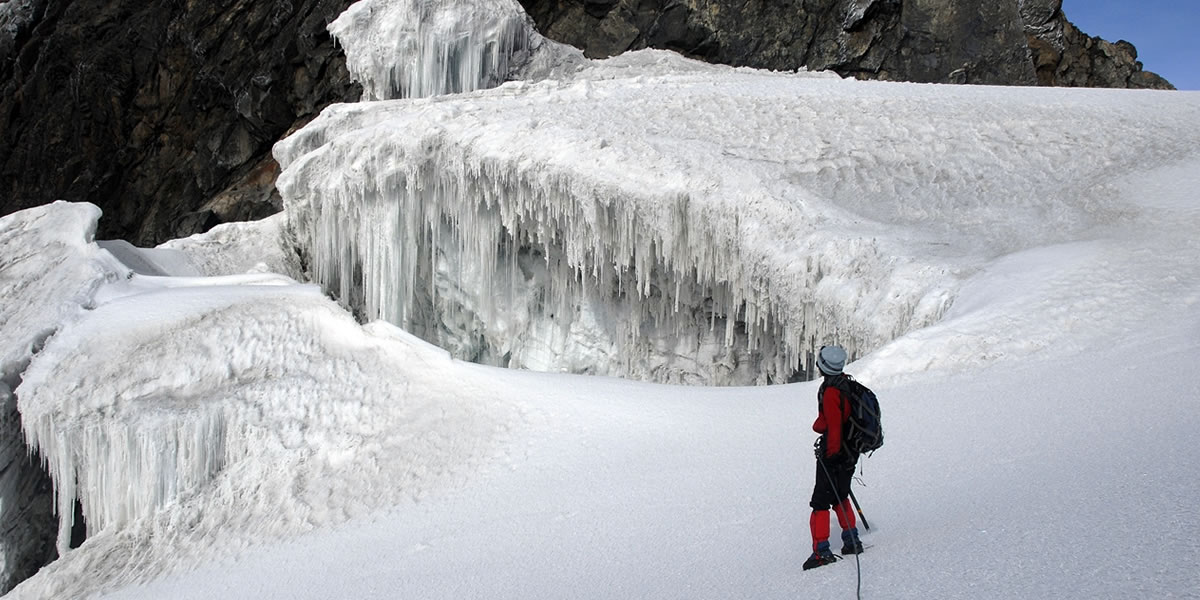
Activities in Rwenzori Mountains National Park
- Mountain Trekking in Rwenzori mountains National Park
Mountain trekking in the Rwenzori Mountains is a major draw for adventure seekers and mountaineers. The park offers some of the most challenging and rewarding trekking routes in Africa, leading to stunning peaks and glacial landscapes.
Key Trekking Routes in Rwenzori mountains National Park
- Margherita Peak (Mount Stanley):
At 5,109 meters, Margherita Peak is the highest point in the Rwenzori Mountains and the third-highest peak in Africa. The trek to the summit typically takes 7-9 days and is considered a challenging climb that requires a high level of fitness and preparation.
- Mount Speke (4,890 meters):
An alternative to the more crowded Margherita Peak, the trek to Mount Speke is equally rewarding and offers a quieter experience. This trek usually takes about 6-8 days.
- Mount Baker (4,844 meters):
Another popular peak, Mount Baker, is often included in multi-peak treks. It is slightly less challenging than Margherita Peak, making it a good option for those with limited time or experience.
What to Expect from Mountain trekking in Rwenzori Mountains National Park
Terrain: The terrain is rugged, with steep ascents, rocky paths, and sometimes muddy or icy conditions. Trekkers will pass through diverse vegetation zones, from montane forests to alpine meadows and glaciers.
Altitude:The high altitude poses a risk of altitude sickness. It’s important to acclimatize properly and to descend if symptoms worsen.
Weather:The weather can be unpredictable, with sudden changes in temperature and conditions. Trekkers should be prepared for rain, snow, and strong winds, especially at higher altitudes.
Logistics for trekking Rwenzori Mountains National Park
Guides and Porters: Hiring guides and porters is mandatory for all treks. Guides provide essential support, navigation, and safety, while porters help carry equipment and supplies.
Accommodation: Trekking routes are equipped with basic huts and campsites where trekkers can rest overnight.
Permits: Trekking permits are required and can be obtained through the Uganda Wildlife Authority (UWA) or registered tour operators.
Preparation tips for trekking Rwenzori Mountains National Park
Physical Fitness: Trekkers should be in good physical condition, with experience in long-distance hiking and climbing.
Gear: Essential gear includes warm clothing, waterproof jackets, trekking poles, sturdy boots, gloves, and headlamps. It’s also important to carry enough high-energy snacks and a comprehensive first-aid kit.
- Nature Walks at Rwenzori Mountains National Park
Nature walks in Rwenzori Mountains National Park offer a more relaxed way to explore the park’s diverse ecosystems. These walks are ideal for visitors who prefer a less strenuous experience but still want to immerse themselves in the natural beauty of the mountains.
Popular Nature Walks:
This trail is a shorter, lower-altitude route that allows visitors to explore the park’s montane forests and bamboo zones. The walk typically takes 2-4 hours and offers opportunities to spot wildlife and enjoy scenic views.
This trail leads to the picturesque Lake Mahoma, a tranquil spot surrounded by montane forest. The walk takes about 3-4 hours and is suitable for most fitness levels.
This community-based walk takes visitors through Ruboni village, located at the base of the Rwenzori Mountains. The walk includes visits to local farms, traditional homesteads, and craft workshops.
What to expect in nature walks at Rwenzori Mountains National Park
Nature walks offer opportunities to see a variety of wildlife, including primates like blue monkeys and black-and-white colobus monkeys, as well as the Rwenzori duiker, hyrax, and various bird species.
The park’s lower slopes are covered in dense montane forest, bamboo thickets, and heather, with unique plant species such as giant lobelias and groundsels.
Walkers will enjoy views of rolling hills, forested valleys, and the distant snow-capped peaks of the Rwenzori Mountains.
Logistics for nature walks in Rwenzori Mountains National Park
Guides:While nature walks are generally easier than mountain treks, hiring a guide is recommended for safety and to enhance the experience with local knowledge.
Duration: Walks can be tailored to different fitness levels and time constraints, ranging from a couple of hours to a full day.
What to Bring: Comfortable walking shoes, a rain jacket, water, and binoculars for bird watching.
- Bird Watching in Rwenzori Mountains National Park
Rwenzori Mountains National Park is a haven for bird watchers, with over 217 bird species recorded, including several that are endemic to the Albertine Rift region. The park’s diverse habitats, from tropical forests to alpine meadows, provide a home to a wide variety of birdlife.
Notable bird species include;
Rwenzori Turaco: A striking bird with bright green and red plumage, endemic to the Rwenzori region.
Dwarf Honeyguide: A small, elusive bird found in the park’s forested areas.
Handsome Francolin: A shy ground-dwelling bird often spotted along forest edges.
Strange Weaver: A unique weaver species endemic to the Albertine Rift.
Best Birding Spots in Rwenzori Mountains National Park
The montane forests are rich in birdlife, with species such as the cinnamon-chested bee-eater, white-starred robin, and mountain illadopsis.
The bamboo zones are home to the stripe-breasted tit and the mountain-masked apalis.
Higher up, visitors can spot species like the alpine swift and the scarlet-tufted sunbird.
Logistics for bird watching in Rwenzori Mountains National Park
Guided Birding Tours: Local guides with expertise in birding can be hired for specialized birding excursions. These tours often include early morning and late afternoon walks, when bird activity is highest.
What to Bring: Binoculars, a field guide to African birds, a camera with a telephoto lens, and a notebook for recording sightings.
Duration: Birding tours can range from a few hours to a full day, depending on the visitor’s interest and the areas covered.
- Cultural encounters in Rwenzori Mountains National Park
The Rwenzori region is inhabited by the Bakonzo people, who have a deep connection with the mountains. Cultural encounters in Rwenzori Mountains National Park offer visitors the chance to learn about the traditional ways of life, participate in local customs, and support community-based tourism initiatives.
Cultural activities in Rwenzori Mountains National Park include;
Visitors can explore local villages such as Ruboni and Kyondo, where they can interact with the Bakonzo people, visit traditional homesteads, and learn about their agricultural practices.
- Traditional Dance Performances:
The Bakonzo are known for their vibrant traditional dances, often performed during community celebrations. Visitors can watch or even participate in these lively performances.
Local artisans offer workshops where visitors can learn traditional crafts such as basket weaving, pottery, and fabric dyeing. These crafts are often available for purchase as souvenirs.
Elders in the community share tales and legends about the Rwenzori Mountains, providing insight into the spiritual significance of the mountains to the Bakonzo people.
What to expect from cultural encounters at Rwenzori Mountains National Park
Cultural encounters are designed to be respectful and authentic, providing genuine interactions with local communities.
- Support for Local Communities:
Participating in cultural activities supports local livelihoods and helps preserve traditional practices.
Logistics for cultural encounters in Rwenzori Mountains National Park
Booking: Cultural encounters can be arranged through local tour operators or directly with community organizations.
Duration: Activities can range from a few hours to a full day, depending on the visitor’s interests.
What to Bring: A camera for capturing memories, cash for purchasing crafts, and an open mind to learn about a different culture.
- Flora and Fauna Exploration in Rwenzori Mountains National Park
Rwenzori Mountains National Park is renowned for its unique flora and fauna, shaped by the park’s diverse ecosystems and high-altitude environment. Exploring the park’s natural wonders is a highlight for many visitors.
Flora highlights in Rwenzori Mountains National Park
Vegetation Zones
The park’s vegetation changes with altitude, from dense tropical rainforest at lower levels to alpine meadows and glaciers at higher elevations.
The lower slopes are covered in montane forest, with towering trees, ferns, and epiphytes. This zone is rich in biodiversity, providing habitat for many species.
Above the montane forest, the bamboo zone is characterized by dense thickets of bamboo, which are home to various wildlife species.
- Tree Heath and Heather Zone:
At higher altitudes, visitors encounter giant heather trees, often draped in moss and lichen, creating a surreal, otherworldly landscape.
The highest zones are dominated by Afro-alpine vegetation, including giant lobelias, groundsels, and everlasting flowers.
Fauna highlights in Rwenzori Mountains National Park
The park is home to several primate species, including blue monkeys, black-and-white colobus monkeys, and L’Hoest’s monkeys.
While large mammals like elephants and leopards are rarely seen, smaller species such as the Rwenzori red duiker, hyrax, and several species of rodents are more common.
The park also supports a variety of reptiles and amphibians, including chameleons, lizards, and frogs adapted to the high-altitude environment.
Practical Information about Rwenzori Mountains National Park
- Getting There
Rwenzori Mountains National Park is accessible by road and air. The nearest town is Kasese, which is about 25 kilometers from the park’s entrance.
By Road: From Kampala, it’s a 6-7 hour drive via Fort Portal or Mbarara.
By Air: Domestic flights are available from Entebbe International Airport to Kasese Airstrip, followed by a short drive to the park.
- Accommodation at Rwenzori Mountains National Park
There are several accommodation options available near the park, ranging from basic campsites to luxury lodges. Most trekkers base themselves in Kasese or the nearby town of Kilembe before embarking on their mountain adventure.
Options Include;
- Equator Snow Lodge (Luxury)
Equator Snow Lodge is a top-end option, offering luxury accommodation close to the park entrance. It is one of the few high-end lodges in the region and is popular for its unique stone cottages, which provide a cozy, warm atmosphere, especially after a long day of hiking. Guests enjoy spacious rooms with en-suite bathrooms, fireplaces, and exceptional views of the mountains. The lodge also offers fine dining, with a mix of local and international cuisine.
- Rwenzori Trekking Services Camps (Mid-range)
These camps are located along the Rwenzori trekking route, providing mid-range options for adventurers. Managed by Rwenzori Trekking Services, these camps offer basic but comfortable accommodation, including dormitory-style rooms, camping areas, and small cabins. Facilities include hot meals, solar lighting, and basic amenities, making them perfect for trekkers looking to rest along their mountain journey.
- Sandton Hotel Kasese (Mid-range)
Situated in Kasese town, about an hour’s drive from the park, Sandton Hotel offers comfortable mid-range accommodation for travelers who prefer to stay in town. The hotel provides well-furnished rooms with en-suite bathrooms, Wi-Fi, and a restaurant serving both local and international dishes. It’s an excellent choice for those wanting a more urban setting while being within reach of the Rwenzori Mountains.
- Hotel Margherita (Mid-range)
Located in Kasese, Hotel Margherita is a mid-range hotel with a colonial feel. It offers comfortable rooms, a restaurant, bar, and beautiful gardens with views of the Rwenzori Mountains. It’s a good base for travelers exploring the park but looking for a more refined stay outside the wilderness.
- Ruboni Community Camp (Budget)
Located near the Nyakalengija gate, Ruboni Community Camp offers simple but comfortable accommodation. The camp is known for its eco-friendly approach and is operated by the local Bakonzo community. It provides basic facilities like clean rooms, shared bathrooms, and meals, with the added charm of scenic views of the Rwenzori Mountains. Staying here supports the local community and provides a great base for exploring nearby trails.
For the more adventurous travelers, there are several basic trekking camps along the various hiking routes in the Rwenzori Mountains. These camps offer simple accommodation in the form of huts and tents, providing the bare essentials—sleeping spaces, basic meals, and a place to rest. These camps are spread across different elevations and are ideal for hikers trekking towards the Margherita Peak or other peaks in the range.
Accommodation in Rwenzori Mountains National Park provides a blend of rustic adventure and comfort, from luxury lodges to basic trekking camps. Whether you are a luxury traveler seeking high-end comfort, or a budget-conscious adventurer ready to explore the mountains, you will find suitable options that enhance your experience in this majestic park.
Environmental Responsibility at Rwenzori Mountains National Park
Rwenzori Mountains National Park is a fragile ecosystem, and visitors are encouraged to practice responsible tourism.
These include;
Leave No Trace: Carry out all waste, avoid disturbing wildlife, and stick to designated trails.
Support Local Communities: Purchase souvenirs from local artisans, and choose community-based accommodations when possible.
Carbon Footprint: Consider offsetting your carbon emissions from travel by supporting conservation projects in Uganda.
Rwenzori Mountains National Park is a true gem of Uganda, offering unparalleled natural beauty, challenging adventures, and rich cultural experiences. Whether you’re scaling the heights of Margherita Peak, exploring the lush valleys, or engaging with the local Bakonzo culture, the Rwenzori Mountains promise an unforgettable journey. Prepare well, respect the environment, and immerse yourself in the magic of the “Mountains of the Moon.”
Kidepo Valley National Park, located in the remote northeastern corner of Uganda, is one of Africa’s most pristine and lesser-known national parks. Spanning approximately 1,442 square kilometers, this rugged savannah park is framed by the looming Mount Morungole and bordered by the Kidepo and Narus Rivers. Its isolation contributes to its undisturbed beauty and offers a sense of untouched wilderness that is rare in today’s world.
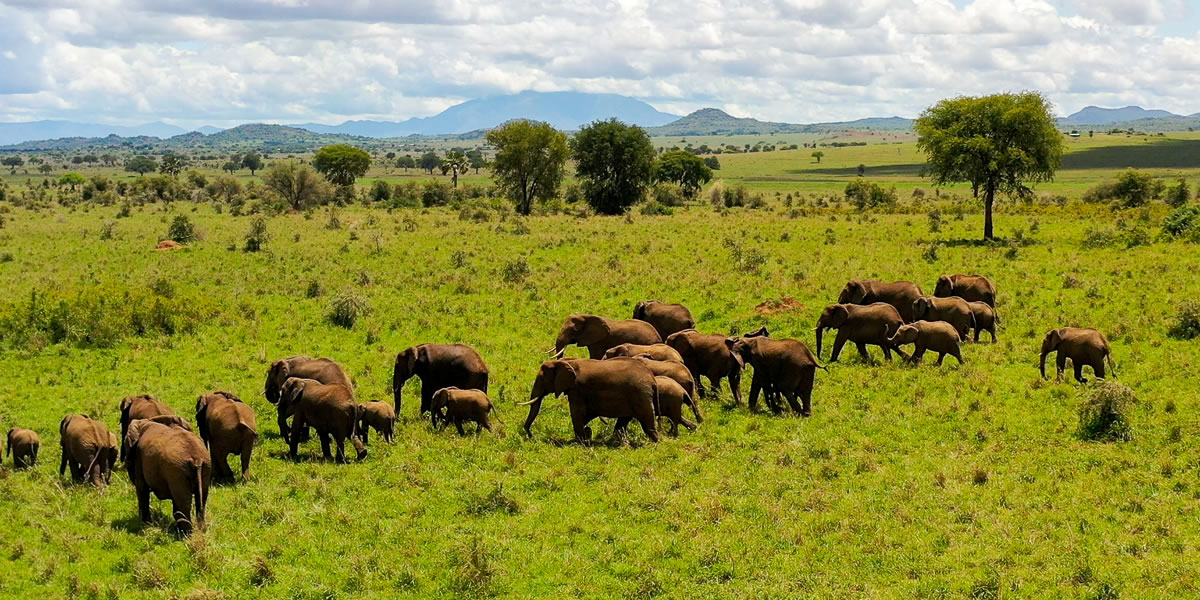
ACTIVITIES IN KIDEPO VALLEY NATIONAL PARK
- Game Drives in Kidepo Valley National Park
Kidepo Valley National Park is renowned for its diverse and abundant wildlife, making game drives a must-do activity. The park is home to over 77 mammal species, including lions, elephants, leopards, buffaloes, zebras, giraffes, and the rare cheetah, which is not easily found in other Uganda National Parks. The park has two main game-viewing areas: the Narus Valley in the southwest and the Kidepo Valley in the northeast.
The Narus Valley is the park’s main game-viewing area due to its permanent water sources, which attract a variety of animals, especially during the dry season. It’s common to see large herds of buffalo, elephants, and other grazers here, often followed by predators like lions.
The Kidepo Valley is more remote and less frequented by tourists. Although it has fewer animals than the Narus Valley, it offers spectacular landscapes and the opportunity to see the dry Kidepo River bed, which transforms into a sandy passage. Ostriches, a rare sight in Uganda, can often be seen here.
Game drives are typically conducted in the early morning or late afternoon when the animals are most active. A guided game drive provides deeper insights into the park’s ecology, and many lodges in the park offer guided drives.
- Nature Walks and Hiking in Kidepo Valley National Park
For those who prefer to explore on foot, Kidepo offers several walking safari opportunities. Walking through the park gives you an intimate connection with the environment and allows you to observe smaller wildlife and plants that might be missed during a game drive.
- Narus Valley Nature Walks:
Guided nature walks are common in the Narus Valley, where you can explore the savannah, rocky outcrops, and surrounding forests. You might encounter elephants, buffaloes, and numerous bird species during these walks.
One of the most challenging yet rewarding hikes in Kidepo is the trek up Mount Morungole, which rises to about 2,750 meters above sea level. This hike offers stunning panoramic views of the park and the surrounding Karamoja region. It also provides a unique cultural experience as it takes you through the territory of the Ik people, one of Uganda’s smallest ethnic groups.
- Bird Watching in Kidepo Valley National Park
Kidepo Valley National Park is a bird watcher’s paradise, with over 475 bird species recorded. The park is especially known for its raptors, with 58 species present, including the Verreaux’s eagle, pygmy falcon, and the Egyptian vulture. The park also hosts several species that are endemic to the region, such as the Karamoja apalis and the Kori bustard.
Best Birding Spots in Kidepo Valley National Park:
The Narus Valley, with its diverse habitats, is a prime birding area. The wetlands and savannah are home to a variety of species, including the Abyssinian roller, purple heron, and African swallow-tailed kite. The Kidepo Valley, with its drier landscapes, is ideal for spotting the ostrich and other desert species.
Bird watching can be done year-round, but the best time is during the dry season when birds congregate around the remaining water sources.
- Cultural Encounters in Kidepo Valley National Park
Kidepo’s location in the Karamoja region allows visitors to experience the rich cultural heritage of the local communities, including the Karamojong and the Ik.
- Karamojong Community Visits:
The Karamojong are a pastoralist people with a culture similar to the Maasai of Kenya. Visiting a Karamojong manyatta (homestead) gives you insight into their traditional way of life, including cattle herding, dance, and the making of crafts. Engaging with the Karamojong offers a deeper understanding of their social structure, beliefs, and resilience in this arid region.
A visit to the Ik people, who live on the slopes of Mount Morungole, offers a unique cultural experience. The Ik are a small and isolated ethnic group known for their distinct language and traditions. Their lifestyle, which differs significantly from that of their Karamojong neighbors, is a fascinating study in adaptation and survival in harsh conditions.
- Hot Springs Visit in Kidepo Valley National Park
The Kanangorok Hot Springs, located in the Kidepo Valley near the South Sudan border, is another attraction in the park. Though the springs are not large, the journey to reach them is an adventure in itself, offering spectacular views of the valley and the surrounding mountains. The hot springs are believed to have healing properties, and the area around them is a great place to spot wildlife, particularly birds.
- Camping at the Kidepo Valley National Park
For a more immersive experience, consider camping in the park. There are several designated campsites, both in the Narus and Kidepo Valleys, where you can pitch a tent and spend the night under the African sky. Camping in Kidepo offers an authentic wilderness experience, with the sounds of the wild all around you. It’s advisable to camp with a guide or ranger due to the presence of large predators.
- Visit to the Apoka Tourism Centre
The Apoka Tourism Centre is the park’s main administrative and visitor center. It’s a good place to start your visit. Here, you can find information about the park, hire guides, book game drives, and even purchase some basic supplies. The center also has a small lodge and restaurant, offering accommodation and meals for visitors.
- Star Gazing at Kidepo Valley National Park
Given its remote location and minimal light pollution, Kidepo Valley National Park offers some of the best stargazing opportunities in Uganda. The clear night skies, particularly during the dry season, are perfect for viewing constellations, the Milky Way, and sometimes even shooting stars. This activity is best enjoyed during a camping trip or from the comfort of your lodge’s outdoor areas.
Photography in Kidepo Valley National Park
Kidepo’s dramatic landscapes, diverse wildlife, and cultural richness make it a photographer’s dream. The park’s varied topography—from the rolling savannah plains to the rugged mountains—provides stunning backdrops for wildlife photography. Early morning and late afternoon light create beautiful conditions for capturing the park’s beauty.
Best Photography Spots: The Narus Valley is excellent for capturing wildlife against the backdrop of distant mountains. The park, with its vast, open landscapes and occasional wildlife, offers unique opportunities for landscape photography. Don’t miss the chance to photograph the iconic Borassus palms in the Kidepo Valley.
Community Tourism Initiatives
Supporting local community tourism initiatives is a great way to contribute to the conservation of the park and the well-being of the surrounding communities. Various community projects in the Karamoja region offer guided tours, cultural performances, and the sale of traditional crafts. These initiatives provide alternative livelihoods for the locals and reduce pressure on the park’s resources.
Best Time to Visit Kidepo Valley National Park
The best time to visit Kidepo Valley National Park is during the dry season, from September to March, when wildlife is more easily seen around water sources. The wet season, from April to August, brings lush green landscapes and a greater diversity of birdlife, but wildlife can be more dispersed.
Accommodation in Kidepo Valley National Park
Kidepo offers a range of accommodation options, from luxury lodges like Apoka Safari Lodge to mid-range options like Kidepo Savannah Lodge and basic campsites. Lodging within the park provides the advantage of easy access to wildlife viewing areas and stunning vistas right from your doorstep.
Getting to Kidepo Valley National Park
Getting to Kidepo Valley National Park involves a bit of travel effort, but the park’s remote and pristine setting makes it worthwhile. Here are the primary ways to reach Kidepo Valley National Park:
By Air
Charter Flights: The quickest way to reach Kidepo is by chartering a flight. Scheduled flights are available from Entebbe International Airport to Kidepo Airstrip, with a flight time of approximately 2 hours. This option offers stunning aerial views of the Ugandan landscape and is ideal for those looking for convenience and efficiency.
By Road
From Kampala: The drive from Kampala to Kidepo Valley National Park is approximately 600 kilometers and can take around 8-12 hours, depending on road conditions. The route involves traveling north through towns such as Gulu and Kitgum. The journey includes sections of rough and unpaved roads, so a 4×4 vehicle is recommended.
Overall, while the journey to this park may be long and adventurous, the park’s spectacular wildlife and stunning landscapes make the effort well worth it.
Kidepo Valley National Park is a hidden gem that offers an unparalleled wilderness experience. Its remoteness, diverse wildlife, dramatic landscapes, and rich cultural experiences make it a must-visit destination for adventurers and nature lovers alike.
Nestled in the heart of Uganda, Kibale Forest National Park is a verdant haven renowned for its rich biodiversity, particularly its primate population. Often referred to as the “Primate Capital of the World,” this lush rainforest offers an unparalleled experience for nature lovers, adventurers, and those seeking a deep connection with the wild. Covering approximately 795 square kilometers, Kibale is a unique blend of lowland tropical rainforest, montane forest, and patches of grassland, making it a paradise for various flora and fauna.
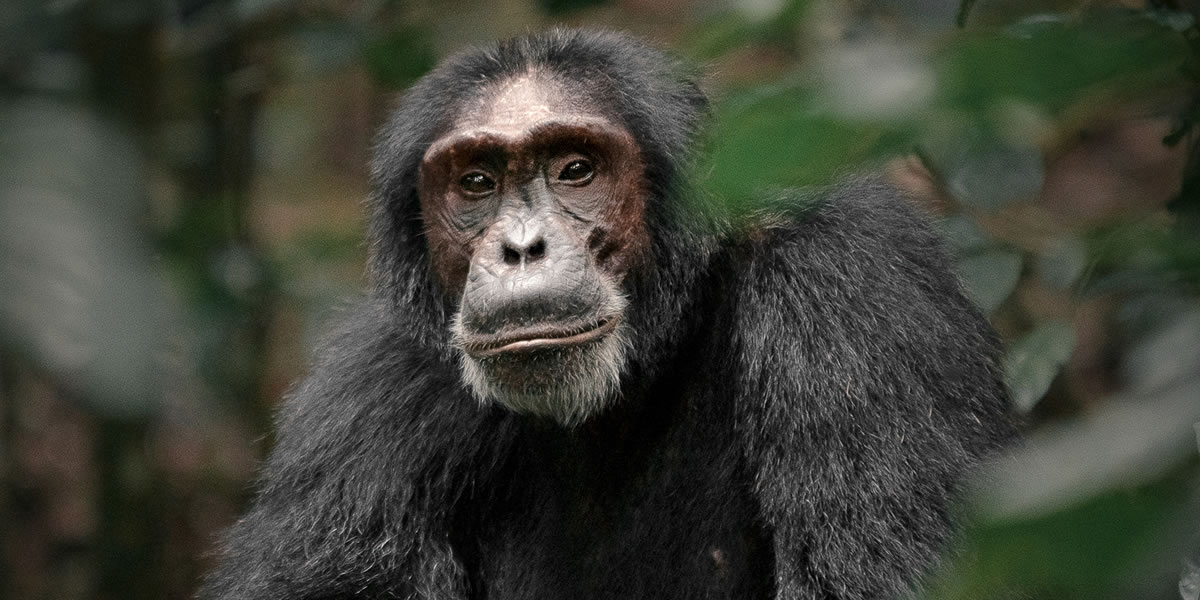
Pimates and Wildlife
Kibale National Park is home to one of the highest densities of primates in Africa, boasting 13 different species. The star attraction here is the chimpanzee, with over 1,500 individuals living in the park. Tourists can engage in the thrilling activity of chimpanzee tracking, where they get a chance to observe these intelligent creatures in their natural habitat. The experience is both humbling and exhilarating as you watch them swing through the trees, communicate, and exhibit behaviors strikingly similar to humans.
Other primates include the rare L’Hoest’s monkey, black-and-white colobus, red-tailed monkeys, blue monkeys, and the endemic Uganda mangabey. Bird enthusiasts will be delighted by the over 375 bird species recorded in the park, including the African pitta, green-breasted pitta, and the great blue turaco.
Beyond primates, Kibale is also home to mammals such as bushbucks, red and blue duikers, giant forest hogs, and elephants, which occasionally wander into the park. The forest is alive with smaller creatures, including a variety of butterflies, reptiles, and amphibians.
ACTIVITIES IN KIBALE NATIONAL PARK
- Chimpanzee Tracking in Kibale National Park: A Journey into the Heart of the Wild
If you’re looking for a truly unforgettable wildlife experience, chimpanzee tracking in Kibale National Park should be at the top of your list. Known as the “Primate Capital of the World,” Kibale offers one of the most thrilling opportunities to observe these fascinating creatures in their natural habitat. Here’s everything you need to know about this must-do activity.
What to Expect During Chimpanzee Tracking
Chimpanzee tracking in Kibale National Park is a guided adventure that takes you deep into the dense rainforest, where you’ll have the chance to encounter one of our closest animal relatives. The trek typically starts early in the morning, around 8:00 AM, when the forest is alive with the sounds of birds and the occasional distant calls of chimpanzees.
The trek can last anywhere from 2 to 5 hours, depending on where the chimpanzees are located on any given day. The experience begins with a briefing from the Uganda Wildlife Authority (UWA) rangers, who will provide essential information about the behavior of chimpanzees, safety guidelines, and what to expect during the trek.
Once the briefing is done, your adventure begins as you follow your guide into the forest. The terrain can be challenging, with steep slopes, dense vegetation, and occasionally muddy paths, especially after rainfall. But the anticipation of encountering chimpanzees in the wild keeps the excitement high.
The Encounter with Chimpanzees in Kibale National Park
The moment you come upon a group of chimpanzees is nothing short of magical. These intelligent primates are incredibly social, and observing them in their natural environment is a rare and privileged experience. You might see them swinging from tree to tree, grooming each other, foraging for food, or simply resting on the forest floor. Their behavior is so strikingly similar to humans that it’s easy to forget you’re watching animals in the wild.
You’ll spend about an hour with the chimps, during which you can take photos and observe their interactions. However, it’s important to maintain a respectful distance of at least 8 meters to avoid disturbing them and to minimize the risk of transmitting diseases.
Best Time for Chimpanzee Tracking in Kibale National Park
While chimpanzee tracking is available year-round, the best time to visit Kibale for this activity is during the dry seasons, from June to September and December to February. The trails are easier to navigate during these months, and the weather is generally more comfortable for trekking. However, even during the wet season, the experience is still rewarding, with the forest teeming with life.
Permits and Booking in Kibale National Park
To track chimpanzees in Kibale National Park, you’ll need to purchase a permit from the Uganda Wildlife Authority. It’s advisable to book your permit well in advance, especially during peak seasons, as there’s a limited number available each day to ensure minimal impact on the chimpanzees and their habitat. The permit fee includes the services of the UWA guides and trackers who accompany you on your trek.
Why You Shouldn’t Miss Chimpanzee Tracking
Chimpanzee tracking in Kibale National Park isn’t just about spotting wildlife, it’s about connecting with nature in one of the most profound ways possible. The experience of walking through an ancient rainforest, listening to the sounds of the wild, and then coming face to face with a group of chimpanzees is something that will stay with you long after your trip is over.
Whether you’re a seasoned wildlife enthusiast or a first-time visitor to Africa, this activity offers a rare glimpse into the lives of these remarkable creatures and provides memories that will last a lifetime.
- Chimpanzee Habituation Experience in Kibale National Park: A Day with the Chimps
Looking for a deeper, more immersive wildlife experience in Kibale National Park, the Chimpanzee Habituation Experience is the perfect choice. Unlike regular chimpanzee tracking, which lasts a few hours, the habituation experience allows you to spend an entire day with a chimpanzee community as they go about their daily lives. It’s a rare and enriching opportunity to observe these fascinating primates in a way few others get to see.
What is Chimpanzee Habituation?
Chimpanzee habituation is the process of slowly getting a wild chimpanzee community used to the presence of humans without altering their natural behaviors. This process can take several years and involves researchers, guides, and park rangers spending extended periods with the chimps, gradually gaining their trust.
During the Chimpanzee Habituation Experience, you’ll join researchers and guides in the forest, participating in this ongoing process. The goal is to observe the chimps as they feed, socialize, care for their young, and even build their nests for the night. It’s an unparalleled opportunity to learn about chimpanzee behavior and the complexities of their social structure.
What to Expect From The Chimpanzee Habituation Experience in Kibale National Park
The habituation experience starts early, around 6:00 AM, when the forest is still waking up. You’ll meet your guide at the Kanyanchu Visitor Centre, where you’ll receive a briefing on what to expect and how to conduct yourself around the chimpanzees. After the briefing, you’ll head into the forest just as the chimps are leaving their nests.
The experience can last up to 12 hours, depending on how long you want to stay and observe. Throughout the day, you’ll follow the chimps as they move through the forest, feed on fruits, interact with each other, and communicate through vocalizations. You might even get the chance to witness dramatic displays of dominance or tender moments between mothers and their young.
Unlike the standard tracking experience, which usually involves following a fully habituated group, this experience brings you closer to the process of habituation itself. You’ll see how the chimps react to human presence, and you’ll have more time to learn from the researchers about their findings and the challenges of conserving these incredible animals.
Why Choose the Chimpanzee Habituation Experience in Kibale National Park?
- In-depth Understanding:You’ll gain a much deeper understanding of chimpanzee behavior and social dynamics. It’s like being part of a wildlife documentary, but in real-time.
- Exnded Time with Chimps: Unlike the one-hour limit in standard chimp tracking, this experience allows you to spend much more time observing the chimps in different situations, providing richer insights.
- Active Participation: You’re not just a spectator; you’re part of the habituation process. Your presence helps the chimps become more accustomed to humans, which is crucial for ongoing research and conservation efforts.
- Learning from Experts: You’ll have direct access to the knowledge and expertise of researchers who have spent years studying chimpanzees. Their insights will enhance your understanding of these complex animals.
Permits and Booking For Chimpanzee Habituation in Kibale National Park
The Chimpanzee Habituation Experience requires a special permit, which is more expensive than the regular chimpanzee tracking permit but offers a much more in-depth experience. Due to the limited number of participants allowed each day, it’s essential to book your permit well in advance, especially during peak tourist seasons.
When to Go for Chimpanzee Habituation in Kibale National Park
The best time to take part in the Chimpanzee Habituation Experience is during the dry seasons, from June to September and December to February. The trails are more accessible, and the weather is more conducive to spending extended periods in the forest. However, if you’re visiting during the wet season, don’t be deterred—the experience is still highly rewarding, with the forest at its most vibrant.
The Chimpanzee Habituation Experience in Kibale National Park is not just a tour; it’s a journey into the lives of one of our closest relatives. Spending a day in the company of chimpanzees, observing their behaviors and interactions, offers a profound connection with nature that few other activities can match. If you’re passionate about wildlife and eager to learn more about these incredible creatures, this experience is something you’ll treasure for a lifetime.
- Bird Watching in Kibale National Park: A Birder’s Paradise
For avid bird watchers, Kibale National Park is a true paradise. Renowned for its incredible biodiversity, Kibale offers one of the richest birding experiences in Uganda. Whether you’re a seasoned ornithologist or a casual nature enthusiast, the park’s diverse habitats promise sightings of some of the most beautiful and rare bird species in East Africa.
Why Kibale National Park is a Must-Visit for Bird Watchers
Kibale National Park boasts an impressive bird list with over 375 recorded species. The park’s varied ecosystems ranging from tropical rainforest and swampy wetlands to grasslands provide a haven for both resident and migratory birds. This diversity makes Kibale one of Uganda’s top birding destinations, with many species that are difficult to find elsewhere.
The park is particularly known for its forest birds, some of which are endemic to the region. Whether you’re exploring the dense forest canopy or walking through the wetlands, you’ll be surrounded by the calls and colors of the park’s avian residents.
Top Bird Species to Look Out For in Kibale National Park
- Green-breasted Pitta: This elusive and highly sought-after bird is one of Kibale’s most famous residents. Spotting the green-breasted pitta is a highlight for many bird watchers, as it’s known for its striking plumage and rarity.
- African Pitta: Another prized sighting, the African pitta is a migratory bird that’s best seen during its breeding season. Its vibrant colors make it a standout among Kibale’s birdlife.
- Great Blue Turaco: With its vibrant blue, green, and yellow plumage, the great blue turaco is a magnificent sight. It’s one of the larger and more easily spotted birds in the park.
- Yellow-billed Barbet:This colorful bird is often found in the forest, feeding on fruits and insects. Its distinctive call and bright yellow beak make it a favorite among birders.
- Crowned Eagle:Known as one of Africa’s most powerful birds of prey, the crowned eagle can sometimes be seen soaring above the forest canopy, hunting for small mammals and birds.
- Abyssinian Ground Thrush:This bird is more often heard than seen, but its melodious song is a treat for the ears. If you’re lucky, you might catch a glimpse of it foraging on the forest floor.
- White-naped Pigeon: A beautiful bird with a striking white nape and dark plumage, this pigeon is often seen in the forest canopy.
- Dusky Crimsonwing: small but stunning, the dusky crimsonwing is another species that birders will be thrilled to spot in Kibale. Its bright red plumage stands out against the green of the forest.
Birding Hotspots in Kibale National Park
Bigodi Wetland Sanctuary:
Adjacent to Kibale National Park, the Bigodi Wetland Sanctuary is a renowned birding area. The swampy, forested wetland is home to over 200 bird species, making it a prime location for bird watching. The sanctuary is particularly famous for its vibrant array of warblers, hornbills, and the great blue turaco.
Kanyanchu Area:
The Kanyanchu Visitor Centre is the starting point for many of the park’s birding trails. The area around Kanyanchu is excellent for spotting both forest and woodland species, and the guides here are highly knowledgeable about the local birdlife.
Sebitoli Area:
Located in the northern part of the park, Sebitoli is less visited but offers equally rewarding birding opportunities. The trails here provide access to a mix of forest and savannah habitats, where you can find species like the African grey parrot and the black-and-white-casqued hornbill.
Best Time for Bird Watching in Kibale National Park
Bird watching in Kibale National Park can be enjoyed year-round, but the best time to visit is during the dry seasons from June to September and December to February. During these months, the trails are easier to navigate, and the birds are more active, especially in the early mornings and late afternoons. The rainy season, from March to May and October to November, is also a good time for birding, as the park is lush and vibrant, and some migratory birds are present.
Wat to Bring for Bird Watching in Kibale National Park
For a successful bird watching activity, you can bring the following;
- Vinoculars:A good pair of binoculars is essential for spotting birds high in the forest canopy.
- Bird Guidebook: A field guide specific to East African or Ugandan birds will help you identify the various species you encounter.
- Camera: A camera with a zoom lens is great for capturing those close-up shots of birds in the wild.
- Comfortable Clothing:Wear neutral-colored, long-sleeved clothing to blend in with the environment and protect against insects.
- Water and Snacks: Stay hydrated and energized, especially if you’re planning on a long day of birding.
Guided Birding Tours in Kibale National Park
To make the most of your birding experience in Kibale, consider joining a guided birding tour. Local guides are not only knowledgeable about the best spots to find specific birds, but they’re also skilled in mimicking bird calls and spotting birds that might otherwise go unnoticed. Their expertise can significantly enhance your bird-watching experience, ensuring you get the most out of your visit.
Kibale National Park is a must-visit for any bird watcher traveling to Uganda. Its rich diversity of species, coupled with the stunning natural beauty of the forest and wetlands, makes it a top destination for anyone looking to immerse themselves in the wonders of avian life. Whether you’re hoping to spot rare species like the green-breasted pitta or simply enjoy the peaceful surroundings of a forest alive with birdsong, Kibale offers an unforgettable birding experience.
- Nature Walks in Kibale National Park: A Journey Through the Heart of the Forest
For those seeking a tranquil yet immersive experience in Kibale National Park, a nature walk is an ideal way to explore the park’s rich biodiversity and stunning landscapes. These guided walks offer a unique opportunity to connect with the forest’s natural beauty and observe its inhabitants up close, all while enjoying a peaceful and leisurely exploration.
What to Expect During a Nature Walk in Kibale National Park
Nature walks in Kibale National Park are designed to provide a more intimate encounter with the forest than traditional game drives or chimpanzee tracking. Led by knowledgeable guides, these walks take you through various habitats within the park, including dense rainforest, open grasslands, and the enchanting wetlands of the Bigodi Sanctuary.
Your nature walk will usually begin in the morning or late afternoon, when wildlife activity is at its peak. The guides will start by briefing you on the basics of forest walking, including safety tips and etiquette to ensure a respectful and enjoyable experience for both you and the environment.
As you set off, the pace is relaxed, allowing you to fully absorb the sights, sounds, and smells of the forest. The walk typically lasts between 2 to 4 hours, depending on your interests and the specific trail chosen.
What You’ll Discover during the nature walks in Kibale National Park
- Flora and Fauna: Kibale’s diverse ecosystems are home to an array of plant and animal life. During your walk, you’ll encounter various tree species, medicinal plants, and vibrant flowers. Your guide will provide insights into the ecological roles of different plants and how they contribute to the forest’s health.
- Bird Watching:Nature walks offer excellent opportunities for bird watching. With over 375 bird species in Kibale, you might spot some of the park’s residents, such as the Great Blue Turaco, African Pitta, and various forest-dwelling species. The guides are adept at identifying birds by sight and sound, making it easier for you to spot them.
- Primates and Mammals:While chimpanzee tracking is the primary way to see primates in Kibale, nature walks also offer chances to see other primate species like the Red-tailed Monkey, Black-and-white Colobus, and L’Hoest’s Monkey. Occasionally, you might even spot larger mammals such as the elusive forest elephant or the rare pangolin.
- Insects and Reptiles:The forest is teeming with life beyond the more prominent animals. Look closely, and you’ll discover a fascinating array of insects, butterflies, and reptiles. Your guide can point out interesting species and explain their roles in the ecosystem.
- Cultural Insights: In some areas, nature walks may include visits to local communities or cultural sites. These encounters provide a deeper understanding of how local people interact with and rely on the forest for their livelihoods, including traditional practices and crafts.
Popular Nature Walk Trails in Kibale National Park
- Bigodi Wetland Sanctuary:
This trail takes you through the lush wetlands adjacent to Kibale National Park. The sanctuary is known for its rich bird life and diverse plant species. The walk is relatively easy and offers a chance to see the vibrant colors and hear the calls of various bird species.
- Kanyanchu Trail:
The Kanyanchu area, starting from the Visitor Centre, provides access to several forest trails. The walk here offers a mix of forest and open grassland views, with opportunities to see primates and birds while learning about the park’s ecology.
Located in the northern part of the park, Sebitoli offers a less trafficked trail with a chance to explore different forest types and see unique flora and fauna.
Best Time for Nature Walks in Kibale National Park
Nature walks in Kibale National Park can be enjoyed year-round, but the dry seasons from June to September and December to February are particularly ideal. During these times, the trails are easier to navigate, and the weather is more comfortable for walking. The wet season brings lush greenery and increased wildlife activity, making for a different but equally rewarding experience.
Guided Walks and Conservation in Kibale
Guided nature walks are not just about observing wildlife; they also play a crucial role in conservation and education. By participating, you support the park’s efforts to protect and preserve its ecosystems and contribute to local community initiatives. Guides are trained in both wildlife conservation and sustainable tourism practices, ensuring that your visit has a positive impact.
A nature walk in Kibale National Park is a serene and enriching way to experience the park’s natural beauty. With its diverse habitats and abundant wildlife, the park offers a wealth of discoveries for those who take the time to explore its trails. Whether you’re a nature enthusiast, a bird watcher, or simply seeking a peaceful connection with the wilderness, a nature walk in Kibale provides a unique and memorable adventure.
- Night Walks in Kibale National Park: An Enchanting Nocturnal Adventure
For those intrigued by the mysteries of the nocturnal world, night walks in Kibale National Park offer a unique opportunity to explore the forest after dark. This activity unveils a different side of the park, where the night’s quiet transformation reveals a host of nocturnal creatures and a captivating ambiance.
What to Expect During a Night Walk in Kibale National Park
Night walks in Kibale National Park typically start around 7:00 PM, as darkness begins to envelop the forest. Guided by experienced rangers, you’ll embark on a journey into the heart of the forest, where the sounds and sights of the night come alive. The walks usually last 1.5 to 2 hours, offering a chance to experience the forest’s unique nocturnal environment.
Before heading out, you’ll receive a briefing on safety protocols and what to expect. This is crucial for ensuring a safe and respectful experience for both visitors and wildlife.
Highlights of the Night Walk
Nocturnal Wildlife: The forest transforms into a bustling hub of activity as many animals come to life at night. You might encounter a variety of nocturnal species, including:
- Bush Babies:These small, lemur-like primates are known for their large eyes and distinctive calls. They’re among the most commonly seen nocturnal animals during the walk.
- Pottos: Another fascinating nocturnal primate, pottos are slower-moving and have a unique, slow-motion style of movement.
- Fruit Bats: Large fruit bats, or flying foxes, can sometimes be seen hanging in the trees or flying overhead.
- Owls: The forest is home to various owl species, and their haunting calls can often be heard in the darkness.
Insects and Reptiles:The night is also a busy time for insects and reptiles. Look out for chameleons, stick insects, and a variety of beetles and moths. The guides will point out interesting specimens and explain their roles in the ecosystem.
Unique Sounds and Sights: The forest at night is filled with intriguing sounds, from the chirps of crickets to the calls of nocturnal birds. The guides use specialized equipment, like night-vision scopes and flashlights, to help you spot wildlife and appreciate the night-time environment.
Star Gazing:On clear nights, you can also enjoy the starlit sky. The lack of light pollution in Kibale makes it an excellent spot for stargazing, adding an extra layer of magic to the night walk experience.
What to Bring for Night Walks in Kibale National Park
Flashlight or Headlamp:A good quality, red-filtered flashlight is essential for navigating and spotting wildlife without disturbing their natural behaviors.
Warm Clothing:The temperature can drop in the evening, so dress in layers to stay comfortable.
Camera:If you’re interested in capturing the experience, bring a camera with a good low-light capability, and remember to avoid using the flash as it can disturb wildlife.
Best Time for Night Walks in Kibale National Park
Night walks can be enjoyed year-round in Kibale National Park, but the dry seasons from June to September and December to February are particularly pleasant. During these times, the weather is generally more stable, and the trails are easier to navigate. However, the wet season, with its lush foliage and increased insect activity, offers a different but equally rewarding experience.
A night walk in Kibale National Park is an enchanting experience that reveals the forest’s hidden nocturnal life. As you venture into the darkness, you’ll discover a new world of sounds, sights, and creatures that come alive after sunset. Whether you’re a wildlife enthusiast or simply curious about the mysteries of the night, this activity offers a memorable and unique adventure in one of Uganda’s most vibrant natural landscapes.
- Cultural Encounters in Kibale National Park: A Deep Dive into Local Traditions
Exploring the cultural side of Kibale National Park offers a fascinating complement to the natural adventures of the park. Engaging with local communities provides insight into the rich cultural heritage and traditional lifestyles that coexist with the park’s stunning landscapes. These cultural encounters allow you to experience the unique ways in which local people interact with their environment and preserve their traditions.
What to Expect from Cultural Encounters in Kibale National Park
Cultural encounters in Kibale typically involve visiting local villages and engaging in activities that showcase the traditional ways of life of the indigenous communities. These interactions offer a deeper understanding of how local people live in harmony with the surrounding natural environment and how they have adapted to modern influences while maintaining their cultural heritage.
Key Cultural Experiences in Kibale
- Visit to Local Villages:
Meet the Community: Spend time with the Bakiga and Batooro communities who live near Kibale National Park. Learn about their daily lives, traditions, and customs. These visits often include guided tours of the villages, where you can see traditional houses, community centers, and local markets.
Participate in Traditional Activities: Engage in traditional activities such as basket weaving, pottery making, or cooking local dishes. These hands-on experiences provide a unique opportunity to learn about traditional craftsmanship and culinary skills.
- Cultural Performances:
Traditional Music and Dance: Enjoy performances of traditional music and dance, which are an integral part of local ceremonies and celebrations. Watch vibrant dances and listen to the rhythmic beats of drums and other traditional instruments. These performances are often accompanied by storytelling that conveys the history and folklore of the community.
- Cultural Workshops:
Craft Workshops: Participate in workshops where you can learn traditional skills such as weaving or beadwork from local artisans. These workshops offer insight into the techniques and cultural significance behind these crafts.
Cooking Classes:Join a cooking class where you can learn how to prepare traditional Ugandan dishes using local ingredients. This is a great way to experience the flavors of the region and understand the role of food in cultural practices.
- Nature and Culture Integration:
Forest and Cultural Trails: Some cultural tours include walks that combine both nature and culture. These trails might take you through forested areas where you can learn about traditional uses of plants and the role of the forest in local culture and spirituality.
Why Cultural Encounters Are Important
Understanding Local Culture:These encounters provide valuable insights into the traditional lifestyles and cultural practices of communities living around Kibale National Park. It helps to build a deeper appreciation of the local heritage and how it shapes the daily lives of the people.
Supporting Local Economies: By participating in cultural activities, you contribute to the local economy and support community-based tourism initiatives. This economic support helps promote sustainable development and conservation efforts.
Fostering Cultural Exchange: Rngaging with local communities fosters mutual understanding and respect between visitors and residents. It creates opportunities for cultural exchange, where both parties can learn from each other and build meaningful connections.
Preserving Traditions:Cultural encounters help to preserve and promote traditional practices and crafts that might otherwise be at risk of fading. By showing interest and appreciation, you contribute to the ongoing vitality of these cultural traditions.
What to Consider for Cultural Encounters in Kibale National Park
Respect and Sensitivity: Approach all cultural encounters with respect and sensitivity. Be mindful of local customs and traditions, and seek permission before taking photographs or participating in ceremonies.
Guide and Interpreter Services:Cultural tours are usually guided by local experts who provide context and facilitate interactions. Their knowledge ensures that you have an authentic and respectful experience.
Community Involvement:Ensure that the cultural activities you participate in are conducted in partnership with the local communities, ensuring that they benefit directly from your visit.
Cultural encounters in Kibale National Park offer a rich and rewarding experience that complements the park’s natural attractions. By engaging with local communities and participating in traditional activities, you gain a deeper appreciation for the cultural tapestry that weaves through this beautiful region. These interactions not only enhance your travel experience but also support and celebrate the vibrant heritage of the people who call Kibale home.
ACCOMMODATION IN KIBALENATIONAL PARK
Kibale National Park offers a range of accommodation options catering to different budgets and preferences:
- Luxury Lodges: These include Primate Lodge Kibale, which is located within the park and offers luxurious safari tents and cottages. The Kyaninga Lodge, situated near the park, provides breathtaking views of Lake Kyaninga and the surrounding landscape, coupled with top-notch amenities.
- Mid-range Lodges:Papaya lodge, Bundali lodge, Chimpanzee Forest Guesthouse and Kibale Forest Camp provide comfortable lodging with excellent service. These lodges are well-situated to offer easy access to the park’s activities.
- Budget lodges:Turaco Treetops Lodgeoffers an immersive experience in nature, with treehouse-style accommodations nestled in the forest near Kibale National Park. The lodge provides a unique stay with elevated rooms offering views of the treetops, and a focus on sustainable practices.
Bweza Kibale Lodge is a budget-friendly lodge that provides simple, comfortable accommodations close to Kibale National Park. It’s a great choice for travelers seeking an affordable base for activities like chimpanzee tracking, with warm hospitality and basic amenities ensuring a pleasant stay.
Best Time to Visit Kibale National Park
Kibale National Park can be visited year-round, but the best time for chimpanzee tracking and other activities is during the dry seasons, from June to September and December to February. During these months, the forest trails are less muddy, making trekking easier and more enjoyable. However, even in the rainy season, the park’s beauty is undiminished, and the forest comes alive with lush greenery and vibrant wildlife.
What to Bring for a Greater Experience at Kibale National Park
Sturdy Hiking Boots: You’ll be covering a lot of ground in sometimes challenging terrain
Comfortable, Long-Sleeved Clothing: This helps protect against insects and thorny vegetation.
Rain Gear: The weather can be unpredictable, so a light rain jacket is essential.
Packed Lunch and Snacks: Since you’ll be in the forest all day, bring enough food and water to keep your energy up.
Camera (No Flash): You’ll want to document this incredible experience, but remember to keep your flash off to avoid disturbing the chimps.
How to Get To Kibale National Park
Kibale National Park is easily accessible from Uganda’s major towns. The park is about 320 kilometers from Kampala, Uganda’s capital, and can be reached by road in approximately 5-6 hours. The journey takes you through scenic countryside, tea plantations, and local villages, providing a glimpse of rural Uganda. Alternatively, chartered flights are available from Entebbe International Airport to Kasese airstrip, from where you can take a short drive to the park.
Conservation Efforts
Kibale National Park plays a crucial role in conservation efforts, particularly in primate research and habitat protection. The park is managed by the Uganda Wildlife Authority (UWA) and various NGOs that work together to preserve this unique ecosystem. By visiting Kibale, you contribute to these efforts, helping to ensure that future generations can continue to experience the wonders of this remarkable place.
Kibale National Park offers a captivating blend of adventure, relaxation, and education. Whether you’re tracking chimpanzees through the forest, spotting rare birds, or simply enjoying the serenity of the natural environment, Kibale promises an unforgettable experience. Its unique combination of wildlife, pristine forest, and cultural heritage makes it a must-visit destination for any traveler exploring Uganda.
Queen Elizabeth National Park is one of Uganda’s most renowned wildlife destinations, offering a diverse range of experiences amid its stunning landscapes. Covering over 1,900 square kilometers, this park boasts a rich tapestry of habitats, including savannahs, wetlands, and forests. Whether you’re a wildlife enthusiast, a nature lover, or simply seeking adventure, Queen Elizabeth National Park promises a captivating experience that will leave you with lasting memories.
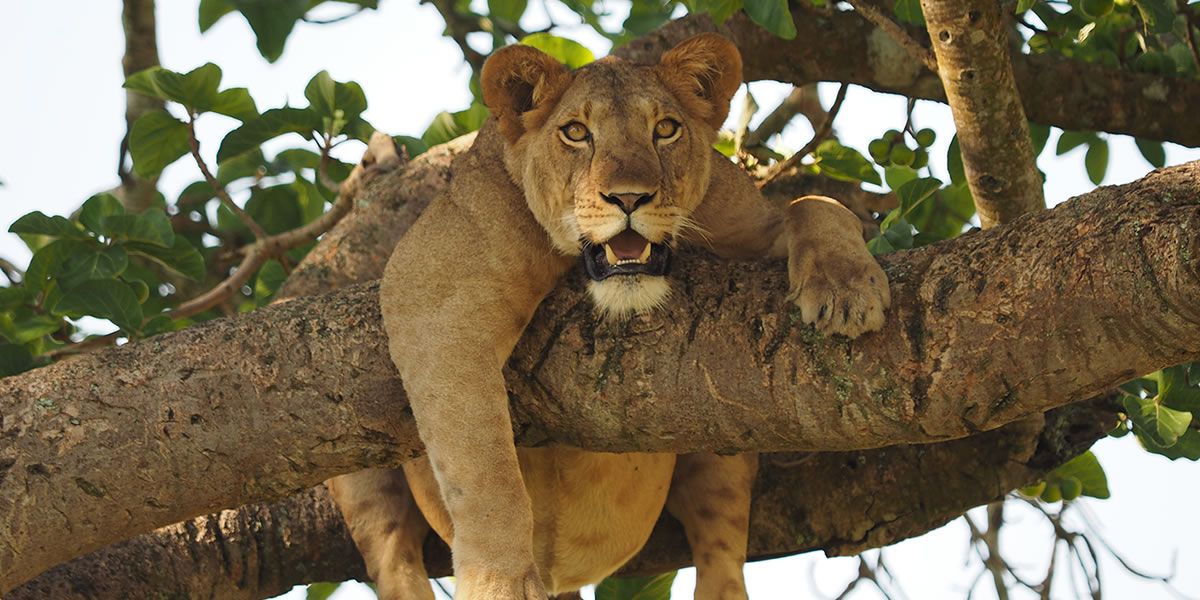
KEY ATTRACTIONS AND ACTIVITIES
- Game Drives in Queen Elizabeth National Park: A Safari Adventure Like No Other
Queen Elizabeth National Park, renowned for its diverse landscapes and abundant wildlife, offers an exceptional game drive experience. Covering over 1,900 square kilometers, the park’s varied ecosystems including savannahs, wetlands, and forests provide a perfect setting for observing a wide range of wildlife. Whether you’re a seasoned safari-goer or a first-time visitor, a game drive in Queen Elizabeth National Park promises excitement and discovery at every turn.
What to Expect During a Game Drive in Queen Elizabeth National Park
Game drives in Queen Elizabeth National Park are typically conducted in open 4×4 vehicles, allowing for unobstructed views of the wildlife and landscape. These drives are usually led by experienced guides who are knowledgeable about the park’s wildlife, flora, and geography. The drives generally start early in the morning or late in the afternoon, as these are the times when wildlife is most active.
Early Morning Game Drives:
Early morning game drives usually start at around 6:00 AM. They offer the chance to see animals as they start their day. The cooler temperatures make wildlife more active, and you may catch sight of predators returning from their nocturnal hunts or herbivores grazing in the morning light.
Afternoon and Evening Game Drives:
These game drives typically start at round 3:00 PM or 4:00 PM. These drives offer a different perspective as animals prepare for the evening. The lower temperatures and setting sun create a picturesque backdrop for wildlife viewing, and you may witness dramatic interactions among animals as they gather around water sources.
Wildlife Encounters at Queen Elizabeth National Park
Queen Elizabeth National Park is home to a rich diversity of wildlife, and game drives provide ample opportunities to observe a variety of species in their natural habitats:
- The Big Four: While rhinos are not present in the park, the “Big Four” can be spotted:
- Lions: The park is known for its lion population, including the famous tree-climbing lions in the Ishasha sector.
- Leopards: Leopards are elusive and harder to spot, but with a keen eye and a bit of luck, you might see one resting in a tree or stalking prey.
- Elephants: Large herds of elephants are commonly seen roaming the savannahs and wetlands.
- Buffaloes: Massive herds of buffaloes can be spotted grazing on the open plains.
- Other Mammals:
- Giraffes: The park is home to both the Masai and Rothschild giraffe species.
- Antelopes: Look out for Uganda kob, topi, waterbuck, and impala as they graze in the park’s grasslands.
- Warthogs: These quirky, tusked creatures are frequently seen foraging on the plains.
- Primates and Other Species:
- Chimpanzees: Though not always visible during game drives, chimps can sometimes be spotted in the Kyambura Gorge area.
- Hippos: Large groups of hippos can often be seen wallowing in the water, particularly around the Kazinga Channel.
- Birdlife:
Diverse Avian Species: Queen Elizabeth National Park is a birding paradise with over 600 recorded species. Keep an eye out for the African fish eagle, martial eagle, and the colorful lilac-breasted roller.
Guides and Vehicles in the Queen Elizabeth National Park
Experienced Guides: Game drives are conducted by trained guides who provide valuable insights into animal behavior, tracking signs, and the park’s ecosystems. Their expertise enhances the safari experience, making it both educational and thrilling.
Open 4×4 Vehicles:The park uses specially designed open-top 4×4 vehicles that offer excellent visibility and comfort. These vehicles are equipped with safety features and communication tools to ensure a smooth and secure safari experience.
A game drive in Queen Elizabeth National Park offers an exhilarating and immersive safari experience. With its diverse wildlife, stunning landscapes, and expert guides, the park provides one of the best opportunities to experience the beauty and excitement of a classic African safari. Whether you’re marveling at the majestic elephants, tracking elusive leopards, or enjoying the scenic vistas, a game drive in Queen Elizabeth National Park is sure to be a highlight of your Ugandan adventure.
- Boat Cruises on the Kazinga Channel in Queen Elizabeth National Park: A Serene Safari on the Water
Boat cruises on the Kazinga Channel in Queen Elizabeth National Park offer a unique and tranquil way to explore the park’s diverse ecosystems and observe its rich wildlife. Stretching approximately 32 kilometers, the channel connects Lake Edward and Lake George, creating a vital waterway that supports a variety of animals and birds. A boat cruise provides an excellent vantage point for wildlife viewing and enjoying the park’s stunning landscapes from a different perspective.
What to Expect During a Boat Cruise at Queen Elizabeth National Park
Boat cruises typically last 2 to 3 hours and are conducted on specially designed, open-sided boats that allow for unobstructed views of the wildlife and surroundings. These cruises are guided by knowledgeable rangers who offer insights into the park’s ecosystems, wildlife behavior, and conservation efforts.
Morning Cruises: Usually start around 8:00 AM, offering the chance to see animals that are active in the cooler morning hours.
Afternoon Cruises: Typically begin around 2:00 PM or 3:00 PM, providing a chance to enjoy the sunset and witness the changing light over the water.
Wildlife Encounters during the boat cruise in Queen Elizabeth National Park
- Hippos:
The Kazinga Channel is renowned for its large populations of hippos. These massive creatures can often be seen wallowing in the water or emerging to graze on the banks. Observe their interactions and learn about their social structures and behaviors from your guide.
- Elephants:
Elephants frequently visit the channel to drink and bathe. The cruise offers a chance to see these majestic animals up close as they interact with the water and each other.
- Birdlife:
The channel is a birdwatcher’s paradise, with over 60 bird species commonly seen. Look out for:
- African Fish Eagles: Often seen perched in trees, their distinctive call can be heard from a distance.
- Pied Kingfishers: These agile birds dive into the water to catch fish.
- Herons and Egrets: Frequently spotted along the shores and in the shallows.
- Crocodiles:
Nile crocodiles can sometimes be seen basking on the riverbanks or swimming in the channel.
- Other Wildlife:
Antelopes and Buffaloes: Depending on the season and water levels, you might also spot buffaloes, Uganda kob, and other wildlife along the channel’s banks.
A boat cruise on the Kazinga Channel in Queen Elizabeth National Park offers a unique and serene perspective on the park’s diverse wildlife and stunning landscapes. From observing large herds of hippos and elephants to spotting a wide variety of bird species, the cruise provides a memorable and relaxing way to experience the natural beauty of this remarkable park. Whether you’re looking to enjoy peaceful moments on the water or capture stunning photographs, a boat cruise in Queen Elizabeth National Park is a highlight of any safari adventure.
- Chimpanzee Tracking in Kyambura Gorge in Queen Elizabeth National Park: An Exciting Primate Adventure
Chimpanzee tracking in Queen Elizabeth National Park offers an exhilarating opportunity to observe one of our closest relatives in their natural habitat. The park’s Kyambura Gorge, also known as the “Valley of Apes,” is renowned for its chimpanzee population and lush, forested environment. This activity combines adventure with wildlife observation, providing an enriching experience for nature enthusiasts and primate lovers.
What to Expect During Chimpanzee Tracking at Queen Elizabeth National Park
Chimpanzee tracking typically involves a guided trek through the forested areas of Kyambura Gorge. The activity usually lasts between 2 to 4 hours, depending on the location of the chimpanzees and the terrain. Here’s what you can expect:
Preparation for Chimpanzee Tracking in Queen Elizabeth National Park
Briefing: Before the trek begins, you will receive a briefing from your guide. This includes information on safety, what to expect during the tracking, and guidelines for respectful wildlife observation.
Gear: Wear comfortable, long-sleeved clothing and sturdy hiking boots. The forest can be muddy and uneven, so appropriate footwear and clothing are essential. Bring a rain jacket, as the weather can be unpredictable.
Wildlife Encounters at Chimpanzee Tracking in Queen Elizabeth National Park
- Chimpanzees:
Once located, you’ll have the chance to observe chimpanzees in their natural environment. Chimpanzees are highly social animals, and you might see them engaging in various activities such as feeding, grooming, or playing.
Guides will share fascinating details about chimpanzee behavior, including their communication methods, social hierarchies, and daily routines.
- Other Primate Species:
- Red-tailed Monkeys: Often found in the same habitat as chimpanzees, these small primates are sometimes seen
- Forest Adventure:The Kyambura Gorge, also known as the “Valley of Apes,” is a prime location for chimpanzee tracking. This lush, forested area provides an opportunity to observe these primates in their natural habitat. The experience is led by experienced guides who provide insights into chimpanzee behavior and ecology.
- Other Wildlife: Besides chimpanzees, the gorge is home to other primates like the red-tailed monkey and black-and-white colobus. The trek through the gorge’s dense forest is a rewarding adventure with opportunities to see diverse flora and fauna.
- Tree-Climbing Lions in the Ishasha Sector of Queen Elizabeth National Park: A Remarkable Safari Experience
The Ishasha Sector of Queen Elizabeth National Park is famous for its extraordinary population of tree-climbing lions, a unique and captivating phenomenon that draws wildlife enthusiasts from around the world. This rare behavior, observed in only a few places in Africa, provides a fascinating and memorable safari experience.
Tree-Climbing lion Behavior in Queen Elizabeth National Park
Tree-climbing lions are not commonly observed in most African wildlife reserves. In the Ishasha Sector, lions have adapted to climbing trees, which is believed to help them escape the heat, avoid biting insects, and gain a better vantage point for spotting prey.
The lions are often seen perched in large fig trees, which provide sturdy branches and ample shade. These trees are scattered across the savannah landscape, creating a picturesque setting for observing the lions.
Social Structure and Activity of tree climbing lions
Resting and Relaxing:The lions typically climb trees to rest and cool off during the heat of the day. They may be seen lounging on branches, napping, or engaging in grooming behavior.
Predatory Skills: Occasionally, the lions will use their elevated position to scan the surrounding area for potential prey. This behavior allows them to spot and stalk game more effectively.
Viewing Opportunities of the tree climbing lions in Queen Elizabeth National Park
Best Times for Sightings:
- Early Mornings and Late Afternoons:
The tree-climbing lions are most active and visible during the cooler parts of the day, such as early mornings and late afternoons. These are the best times to go on game drives to increase your chances of spotting them.
Experienced guides in the Ishasha Sector know the prime locations for finding the tree-climbing lions. They use their knowledge of lion behavior and the park’s geography to lead visitors to the best viewing spots.
Photographic Opportunities:
The sight of lions lounging on branches against the backdrop of the African savannah provides incredible photographic opportunities. The contrast of the lions against the sky and the surrounding landscape makes for striking images.
The tree-climbing lions of the Ishasha Sector in Queen Elizabeth National Park offer a truly exceptional safari experience. Their rare and fascinating behavior, combined with the stunning savannah landscape, creates a memorable and rewarding adventure for wildlife enthusiasts. Whether you’re a seasoned safari-goer or new to wildlife watching, witnessing these majestic lions in their arboreal habitats is a highlight of any visit to Queen Elizabeth National Park.
- Nature walks and hiking in Queen Elizabeth National Park
Queen Elizabeth National Park, renowned for its rich biodiversity and stunning landscapes, offers incredible opportunities for nature walks and hiking. These activities allow visitors to immerse themselves in the park’s natural beauty, providing a closer look at its diverse wildlife, unique vegetation, and breathtaking scenery.
Nature Walks
Queen Elizabeth National Park offers guided nature walks that provide a more intimate experience of the park’s ecosystems. These walks are typically led by knowledgeable guides who share insights into the flora and fauna, making it an educational journey as well as an adventure. One popular spot for nature walks is the Maramagambo Forest, a dense, tropical forest that is home to a variety of bird species, primates, and even the elusive forest elephants. As you walk through the forest, you’ll hear the sounds of the jungle, spot vibrant butterflies, and possibly see the unique bat caves that house thousands of bats.
Another fascinating area for a nature walk is the Kyambura Gorge, often referred to as the “Valley of Apes.” This steep gorge is a lush riverine forest where you can track chimpanzees and other primates, making it a thrilling experience for wildlife enthusiasts. The walk through the gorge is not only about chimpanzee tracking but also about experiencing the beauty of the verdant forest, spotting various bird species, and marveling at the scenic views.
Hiking
For those seeking more physical activity and a chance to explore the park’s rugged terrain, hiking in Queen Elizabeth National Park is a must. The Mweya Peninsula offers a range of trails that vary in difficulty, from gentle slopes to more challenging climbs. These hikes reward adventurers with panoramic views of the Kazinga Channel and Lake Edward, often accompanied by sightings of warthogs, elephants, and even the occasional leopard.
Hiking in the Kasenyi Plains is another exciting option, especially for those interested in spotting large herds of Uganda kobs, buffaloes, and other savannah wildlife. The open plains provide a unique hiking experience, where you can enjoy the vastness of the African savannah, with the Rwenzori Mountains as a dramatic backdrop.
For a more off-the-beaten-path experience, the Kichwamba Escarpment offers a series of trails that take you along the edge of the Great Rift Valley. This area is less frequented by tourists, making it ideal for those looking for solitude and a deeper connection with nature. The trails here provide stunning views of the valley below, and on a clear day, you can see as far as the Congo.
Nature walks and hiking in Queen Elizabeth National Park offer visitors a unique way to experience the park’s incredible biodiversity and stunning landscapes. Whether you’re exploring the dense forests, tracking chimpanzees in Kyambura Gorge, or taking in the views from the Kichwamba Escarpment, these activities promise an unforgettable adventure in the heart of Uganda’s wilderness.
- Cultural Encounters in Queen Elizabeth National Park.
Cultural encounters in Queen Elizabeth National Park offer visitors a unique opportunity to connect with the local communities and experience the rich cultural heritage of the people living around the park. These experiences go beyond wildlife and landscapes, providing a deeper understanding of the traditions, lifestyles, and history of the region’s inhabitants.
The Kikorongo Women’s Community
One of the most vibrant cultural experiences in Queen Elizabeth National Park is a visit to the Kikorongo Women’s Community. “Kikorongo” means “too much sunshine” in the local language, but the warmth of the women in this community far outshines the sun. Here, visitors can participate in traditional dance performances, where the rhythmic drumbeats and colorful costumes tell stories of the community’s heritage.
The women of Kikorongo are also skilled in traditional crafts, such as weaving baskets, making beads, and crafting other beautiful items from natural materials. Visitors can take part in a workshop to learn these crafts firsthand, creating their own souvenirs to take home. The community also offers cooking demonstrations, where you can learn how to prepare local dishes using traditional methods, and enjoy a delicious meal afterward.
The Katwe Salt Lake Community
Another fascinating cultural encounter can be found at Katwe Salt Lake, where salt has been harvested using traditional methods for centuries. The Katwe community has a rich history of salt mining, which has been passed down through generations. A guided tour of the salt pans offers insight into the labor-intensive process of salt extraction, as well as the significance of this practice to the local economy and culture.
During the visit, you’ll have the chance to interact with the salt miners, who share their stories and the challenges they face in this harsh environment. The views of the crater lake and the surrounding landscape are breathtaking, and the experience is both educational and deeply humbling.
The Kasenyi Fishing Village
For a glimpse into the daily lives of local fishermen, a visit to the Kasenyi Fishing Village on the shores of Lake George is a must. This vibrant village is bustling with activity, especially in the early morning when fishermen return with their catch. Visitors can observe traditional fishing techniques, learn about the types of fish commonly found in the lake, and see how the fish are prepared and preserved for sale.
The village also offers opportunities to engage with the local community, where you can learn about their customs, beliefs, and the importance of fishing to their way of life. The Kasenyi Fishing Village experience provides a deep connection to the people who depend on the lake for their livelihood, offering a perspective on the challenges and rewards of living in harmony with nature.
The Bunyaruguru Community
The Bunyaruguru Community near the park’s boundary is another area rich in cultural experiences. This community is known for its strong cultural traditions and practices. Visitors can participate in a traditional homestay, where they live with a local family and experience daily life as the Bunyaruguru people do. This includes participating in farming activities, preparing meals, and engaging in cultural rituals.
A highlight of this experience is learning about traditional medicine, where elders share their knowledge of herbal remedies made from local plants. The Bunyaruguru people also have vibrant music and dance traditions, and visitors are often treated to performances that reflect their history and beliefs.
Tips for Cultural Encounters in Queen Elizabeth National Park
Respect Local Customs: Always be respectful of the local customs and traditions. Ask for permission before taking photographs, especially of people.
Learn a Few Words in the Local Language: Learning a few greetings or phrases in the local language, such as Luganda or Runyankore, can go a long way in building rapport with the community.
Support Local Communities: Consider purchasing handmade crafts or products directly from the communities. This not only provides you with a unique souvenir but also supports the local economy.
Cultural encounters in Queen Elizabeth National Park offer an enriching complement to the wildlife experiences, allowing visitors to connect with the people who call this remarkable area home. These interactions provide a deeper appreciation of the region’s cultural diversity, making your visit to the park truly unforgettable.
ACCOMMODATION OPTIONS IN QUEEN ELIZABETH NATIONAL PARK
- Luxury Lodges:
Kyambura gorge Lodge
Kyambura Gorge Lodge is a luxury lodge located on the edge of Queen Elizabeth National Park, overlooking the stunning Kyambura Gorge. The lodge is known for its unique blend of modern comfort and traditional African style, featuring bandas (thatched cottages) that offer breathtaking views of the park and the gorge. Guests at the lodge can enjoy a range of activities, including chimpanzee tracking in the gorge, game drives in the park, and community visits. The lodge also boasts a swimming pool, a spa, and a restaurant serving gourmet meals, making it an ideal retreat for visitors seeking both adventure and relaxation.
Elephant plains lodge: It offers a luxury accommodation experience in a serene setting. Located near the southern edge of Queen Elizabeth National Park, the lodge features well-furnished tents and cottages with en-suite bathrooms and private balconies. Guests can enjoy views of the surrounding savannah and a range of amenities including a restaurant, bar, and lounge area. The lodge is known for its excellent hospitality and provides easy access to game drives and boat cruises on the Kazinga Channel.
- Mid-Range Lodges:
Mweya Safari Lodge: Overlooking the Kazinga Channel, this lodge offers luxurious accommodations and stunning views. It features comfortable rooms, an infinity pool, and fine dining options.
Ishasha Wilderness Camp: Located in the Ishasha sector, this upscale camp provides a secluded and immersive experience, with luxurious tents and exceptional service.
Twin Lakes Lodge: Located near the park’s southern region, the lodge offers comfortable rooms with en-suite bathrooms and private verandas. The lodge features a restaurant, bar, and lounge area, creating a relaxing environment for guests. Twin Lakes Lodge is well-positioned for exploring the park’s diverse wildlife, including game drives and boat cruises on the Kazinga Channel. It is known for its peaceful setting and good service.
- Budget lodges:
Budget lodges in Queen Elizabeth National Park offer affordable accommodation options for travelers looking to explore the park without breaking the bank. These lodges typically provide basic but comfortable amenities, including clean rooms, en-suite bathrooms, and simple dining options. Some popular budget lodges include Pumba Safari Cottages, Kazinga Channel View, and Simba Safari Camp. These lodges often have prime locations near the park’s major attractions, such as game drive circuits and the Kazinga Channel, allowing guests easy access to wildlife viewing and other activities. While the facilities may be modest, the warm hospitality and proximity to nature make these budget lodges a great choice for cost-conscious visitors.
WHAT TO BRING FOR THE BEST EXPERIENCE IN QUEEN ELIZABETH NATIONAL PARK
When visiting Queen Elizabeth National Park, packing the right gear is essential for a comfortable and enjoyable experience across the variety of activities you might engage in.
- Pack lightweight, neutral-colored clothing, such as khaki or green, to blend in with the environment and avoid startling wildlife. Long-sleeved shirts and trousers are ideal for protection against insects and sun. Mornings and evenings can be chilly, so bring warm layers like a fleece jacket. A waterproof jacket is also necessary, especially during the rainy seasons.
- Sturdy hiking boots are a must for nature walks and hikes, offering support on rugged terrain. Comfortable walking shoes are perfect for less strenuous activities, and sandals can be useful around your lodge.
- Bring binoculars for birdwatching and spotting distant animals, and a camera with a good zoom lens to capture the park’s stunning wildlife and landscapes. A small daypack will help carry essentials like water, snacks, and sunscreen during your excursions. Don’t forget insect repellent, high-SPF sunscreen, and a reusable water bottle to stay hydrated.
- Carry a basic first aid kit with band-aids, pain relievers, and any personal medications. A portable charger will keep your devices powered throughout the day, and a headlamp or flashlight is handy for navigating the lodge grounds at night.
- Ensure you have your identification, any necessary permits, and cash in Ugandan Shillings for tips and local purchases. While some places accept credit cards, it’s safer to have cash on hand.
By bringing these items, you’ll be well-prepared to enjoy the diverse activities that Queen Elizabeth National Park offers, from wildlife safaris to cultural encounters.
Practical Information about Queen Elizabeth National Park
The best time to visit Queen Elizabeth National Park is during the dry seasons from June to September and December to February. During these periods, the weather is more favorable for wildlife viewing and outdoor activities.
The park is accessible by road from Kampala, a drive that takes approximately 6-7 hours. There are also domestic flights available from Entebbe to the nearby airstrip at Mweya.
Entry fees to the park and permits for activities like chimpanzee tracking should be arranged in advance. It’s advisable to book these through local tour operators or the Uganda Wildlife Authority.
Queen Elizabeth National Park offers an exceptional safari experience with its diverse wildlife, scenic landscapes, and rich cultural interactions. Whether you’re seeking thrilling game drives, serene boat cruises, or insightful cultural encounters, the park provides a comprehensive and unforgettable adventure. With its unique blend of natural beauty and cultural richness, Queen Elizabeth National Park is a must-visit destination for any traveler exploring Uganda.
Murchison Falls National Park, the largest and one of the most spectacular national parks in Uganda, is a haven for nature enthusiasts, adventure seekers, and wildlife lovers. Covering an area of approximately 3,840 square kilometers, the park is part of the greater Murchison Falls Conservation Area, which includes the adjacent Bugungu and Karuma Wildlife Reserves. The park is named after the dramatic Murchison Falls, where the mighty Nile River squeezes through a narrow gorge only 7 meters wide, creating a thunderous explosion of water and one of the most powerful waterfalls in the world.
Whether you’re on a quest to witness the Big Five, cruise along the Nile River, or simply revel in the beauty of Uganda’s savannah landscapes, Murchison Falls National Park offers an unforgettable experience.
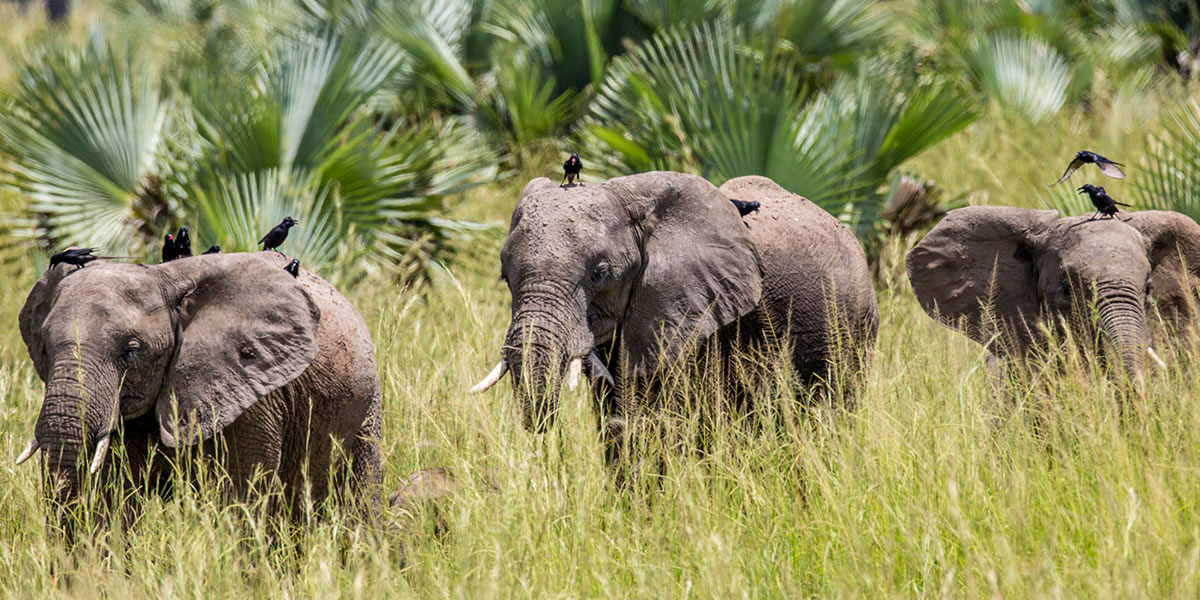
History and Significance of Murchison falls National Park.
Established in 1952, Murchison Falls National Park has a rich history that dates back to the early explorers of the Nile. The park was initially known as Kabalega National Park, named after Omukama Kabalega, a famous king of the Bunyoro Kingdom who fiercely resisted British colonization. It was later renamed after Sir Roderick Murchison, the president of the Royal Geographical Society, following the arrival of European explorers like Samuel Baker, who first sighted the falls in 1864.
Over the decades, Murchison Falls National Park has played a crucial role in conservation, protecting a vast array of wildlife and ecosystems. The park is also significant for its cultural heritage, with nearby communities maintaining traditional lifestyles that have been largely unchanged for centuries.
Geography and Climate of Murchison falls National Park.
Murchison Falls National Park is situated in northwestern Uganda, straddling the districts of Buliisa, Nwoya, Kiryandongo, and Masindi. The park is bisected by the Victoria Nile, which flows from Lake Victoria in the southeast to Lake Albert in the northwest. This riverine corridor creates a stunning contrast between the lush riverbanks, dense forests, and the sprawling savannah plains.
Landscape: The park’s landscape is diverse, ranging from rolling savannahs and woodlands in the northern part to tropical forests in the south. The southern sector includes the Budongo Forest, a prime location for chimpanzee tracking.
Climate: The park experiences a tropical climate with two main seasons: the wet season (March to May and September to November) and the dry season (December to February and June to August). The best time to visit the park is during the dry season, when wildlife is more concentrated around water sources, and the roads are more accessible.
WILDLIFE.
Murchison Falls National Park is home to a rich variety of wildlife, making it one of Uganda’s premier safari destinations. The park’s diverse habitats support over 76 mammal species and more than 450 bird species.
Mammals;
Big Five: The park is home to four of the Big Five: lions, elephants, buffaloes, and leopards. While rhinoceros are not present within the park, they can be seen at the nearby Ziwa Rhino Sanctuary.
Unique Species: The Rothschild giraffe, one of the most endangered subspecies of giraffes, thrives in Murchison Falls National Park. Other notable species include hippos, Nile crocodiles, hartebeests, warthogs, and Uganda kobs.
Primates:The southern sector of the park, particularly Budongo Forest, is a hotspot for primates. Chimpanzees are the star attraction, along with other species like the black-and-white colobus monkeys and olive baboons.
Birds: The park is a birdwatcher’s paradise with species such as the shoebill stork, African fish eagle, Goliath heron, grey crowned crane, and Abyssinian ground hornbill. The park’s varied ecosystems provide ideal habitats for both resident and migratory birds.
Murchison Falls: The Main Attraction
The centerpiece of the park is the awe-inspiring Murchison Falls, where the Nile River plunges 43 meters through a narrow gorge, creating a spectacular and thunderous cascade. The falls are not only a breathtaking sight but also a vital ecological feature, enriching the surrounding environment and supporting a diverse array of wildlife.
Things to Do at Murchison falls National Park;
Top of the Falls Hike: A challenging yet rewarding hike that takes you to the summit of the falls, offering panoramic views of the river and the surrounding landscape.
Boat Cruise to the Falls: A boat trip to the base of the falls is a must-do activity, allowing you to experience the falls’ sheer power up close. Along the way, you’ll encounter hippos, crocodiles, and various bird species.
Viewpoints: Several viewpoints around the falls provide different perspectives, including the Devil’s Cauldron, where the river’s full force is unleashed.
ACTIVITIES IN THE MURCHISON FALLS NATIONAL PARK
- Game Drives in Murchison Falls National Park: The Ultimate Safari Adventure
Embark on an unforgettable journey through the heart of Murchison Falls National Park with a thrilling game drive. This iconic safari experience is your gateway to exploring Uganda’s largest national park, where the untamed wilderness meets the awe-inspiring beauty of the African savannah. Whether you’re a wildlife enthusiast, a photography buff, or simply seeking an adventure of a lifetime, a game drive at Murchison Falls National Park promises to leave you breathless.
Why Choose a Game Drive in Murchison falls National Park?
A game drive is the quintessential way to experience the rich biodiversity of Murchison Falls National Park. Imagine cruising through vast landscapes at sunrise or sunset, with the soft golden light illuminating the rolling savannahs, woodlands, and riverine areas. It’s during these magical hours that the park’s wildlife is most active, offering you prime opportunities to witness the spectacle of nature up close.
Wildlife Encounters:
Murchison Falls National Park is home to a staggering variety of wildlife, making every game drive a unique adventure. As you navigate through the park’s diverse habitats, keep your eyes peeled for the Big Five, that is; lions, leopards, elephants, buffaloes, and rhinoceros. The park’s vast savannahs are particularly known for sightings of the majestic Rothschild giraffe, graceful antelopes, and large herds of buffalo. The thrill of spotting a pride of lions lounging in the grass or a solitary leopard stealthily moving through the underbrush is an experience that will stay with you forever.
Beyond the Big Five, the park also hosts a plethora of other species. Watch as warthogs trot by with their tails held high, or catch a glimpse of a hyena prowling the plains. Bird enthusiasts will be delighted by the park’s avian diversity, with over 450 species to spot, including the iconic African fish eagle and the rare shoebill stork.
Best Times for a Game Drive:
To maximize your chances of spotting wildlife, game drives are typically conducted during the cooler hours of the day. The early morning (6:30-9:30 AM) and late afternoon (3:30-6:30 PM) are ideal times when animals are most active. The gentle light of dawn and dusk also creates perfect conditions for photography, casting the landscape in a warm, golden glow that enhances the beauty of every scene.
What to Expect on Your Game Drive:
Your game drive will be conducted in a specially designed 4×4 safari vehicle, ensuring comfort and excellent visibility. An experienced guide will accompany you, sharing insights into the park’s ecology, animal behavior, and the unique characteristics of the wildlife you encounter. The guides’ expertise in tracking animals and interpreting the environment adds depth to your safari experience, making each sighting even more meaningful.
The game drive routes are carefully planned to take you through the most wildlife-rich areas of the park. The Buligi Peninsula, situated between the Victoria and Albert Niles, is particularly renowned for its high concentration of animals. The open savannahs here offer expansive views, making it easier to spot and observe wildlife in their natural habitats.
Preparing for Your Game Drive:
To ensure a comfortable and enjoyable experience, it’s important to come prepared. Wear light, neutral-colored clothing to blend in with the environment and avoid attracting insects. A wide-brimmed hat and sunglasses will protect you from the sun, while comfortable walking shoes are recommended if you plan to explore outside the vehicle during designated stops.
Don’t forget to bring a good pair of binoculars for closer views of distant wildlife, and a camera with a zoom lens to capture the incredible moments you’ll witness. It’s also a good idea to carry water and snacks, as game drives can last several hours.
Special Moments on a Game Drive:
One of the most exhilarating aspects of a game drive is the unpredictability of nature. Every drive is different, and you never know what you might encounter. Perhaps it’s the drama of a lioness on the hunt, the playful antics of a baby elephant, or the serene sight of giraffes silhouetted against a crimson sunset. These are the moments that make a game drive at Murchison Falls National Park an extraordinary experience.
A game drive in Murchison Falls National Park is more than just a safari; it’s an immersion into the wild, where every sighting is a reminder of the incredible diversity and beauty of our natural world. Whether it’s your first safari or one of many, the allure of Murchison Falls will captivate your heart and soul. Book your game drive today and prepare for an adventure that will leave you with memories to treasure for a lifetime.
- Boat Cruises in Murchison Falls National Park: A Journey on the Mighty Nile
Embark on an unforgettable adventure as you cruise along the Nile River in Murchison Falls National Park. A boat cruise here is not just a scenic journey; it’s a voyage into the heart of Africa’s most iconic landscapes. Whether you’re drawn by the allure of the powerful Murchison Falls, the prospect of up-close wildlife encounters, or the tranquil beauty of the Nile itself, a boat cruise offers an experience that is both exhilarating and serene. It’s an essential activity for any visitor to this breathtaking park.
Why Choose a Boat Cruise in Murchison falls National Park?
The Nile River is the lifeblood of Murchison Falls National Park, and there’s no better way to experience its wonders than by taking a boat cruise. From the deck of a comfortable vessel, you’ll glide past stunning scenery, observe a diverse array of wildlife, and feel the cool breeze off the water as you soak in the natural beauty around you. This activity is perfect for all types of travelers, whether you’re a nature lover, photographer, or simply seeking a peaceful escape into the wild.
A boat cruise along the Nile is a quintessential experience at Murchison Falls National Park. These cruises offer a tranquil way to explore the river and its rich wildlife, all while enjoying the stunning scenery. Common sightings include hippos, crocodiles, elephants, and a variety of water birds. The cruise to the base of Murchison Falls is particularly popular, providing a dramatic view of the falls from below.
The Thrill of Murchison Falls:
The highlight of any boat cruise in the park is undoubtedly the approach to Murchison Falls, one of the most powerful waterfalls in the world. As your boat draws nearer, you’ll hear the thunderous roar of the Nile as it forces its way through a narrow 7-meter gorge, creating a dramatic explosion of water and mist. The sight of the river plunging 43 meters into the Devil’s Cauldron below is awe-inspiring, and the experience of feeling the boat vibrate with the sheer force of the falls is something you’ll never forget.
Wildlife Encounters:
The banks of the Nile are teeming with wildlife, making a boat cruise one of the best ways to see animals in their natural habitat. As you drift along the river, keep an eye out for large pods of hippos lounging in the water, their heads bobbing up and down as they keep watch. Crocodiles, often basking on the riverbanks or silently gliding just beneath the surface, add an element of excitement to the journey.
Beyond the water’s edge, you’ll see elephants coming to drink and bathe, buffaloes grazing near the shore, and antelopes like waterbucks and kobs moving gracefully through the tall grass. The birdlife along the river is equally impressive, with kingfishers, fish eagles, and the rare shoebill stork among the many species you might spot. The variety and abundance of wildlife make every moment on the river a potential highlight.
Sunset and Sunrise Cruises:
For those seeking a particularly magical experience, consider a sunrise or sunset cruise. In the early morning, the river is shrouded in mist, and the soft light creates an ethereal atmosphere as the park awakens to the sound of birds and animals beginning their day. In the evening, as the sun sets behind the horizon, the sky is painted in hues of orange, pink, and purple, reflecting off the calm waters of the Nile. This is a peaceful time to be on the river, with the added bonus of witnessing the park’s wildlife in a golden light that’s perfect for photography.
Types of Boat Cruises:
Murchison Falls National Park offers a variety of boat cruise options to suit different interests:
Victoria Nile Launch Cruise: This popular cruise takes you from Paraa to the base of Murchison Falls, passing through one of the most wildlife-rich sections of the river. The journey typically lasts about three hours, giving you plenty of time to observe the falls and the surrounding wildlife.
Delta Cruise: This cruise heads toward the Nile Delta where the river meets Lake Albert. It’s a prime area for bird watching, especially for spotting the elusive shoebill stork. The delta is also a tranquil place, offering a different perspective of the park’s ecosystem.
Private and Luxury Cruises: For a more personalized experience, private boat tours can be arranged. These offer a more intimate setting, with the option to customize your route and time on the river. Some luxury cruises even include meals or sundowners, allowing you to enjoy the scenery with a touch of indulgence.
Unique Experiences at Murchison falls National Park.
Every boat cruise on the Nile is a unique experience. You might witness a dramatic chase between predator and prey along the riverbanks, spot a rare bird perched in a tree, or simply lose yourself in the beauty of the surrounding landscape. The Nile is a place of constant change and movement, ensuring that no two cruises are ever the same.
A boat cruise in Murchison Falls National Park is more than just a scenic ride, it’s a journey into the heart of Uganda’s natural wonders. Whether you’re marveling at the power of Murchison Falls, photographing wildlife along the riverbanks, or simply relaxing as the Nile carries you through one of Africa’s most beautiful landscapes, this experience is sure to leave a lasting impression. Don’t miss the opportunity to see Murchison Falls National Park from the water—a perspective that reveals the true majesty of this incredible place.
- Sport Fishing in Murchison Falls National Park: A Thrilling Adventure on the Nile
For those seeking the thrill of the catch in one of the world’s most spectacular natural settings, sport fishing in Murchison Falls National Park is an experience like no other. This activity combines the excitement of angling with the breathtaking beauty of the Nile River, offering a unique adventure that appeals to both seasoned anglers and curious beginners. Set against the backdrop of the park’s stunning landscapes, with the roar of Murchison Falls in the distance, sport fishing here is a challenge and a pleasure that promises unforgettable memories.
Why Choose Sport Fishing in Murchison Falls National Park?
Murchison Falls National Park is renowned for its rich biodiversity, and the Nile River, which flows through the heart of the park, is home to some of Africa’s most sought-after fish species. The chance to fish in these historic waters, surrounded by the park’s abundant wildlife and dramatic scenery, makes for a truly one-of-a-kind experience. Whether you’re targeting the legendary Nile perch or other prized species, sport fishing here offers the perfect blend of adventure, skill, and natural beauty.
The Thrill of the Catch:
The star of the sport fishing scene in Murchison Falls National Park is undoubtedly the Nile perch, one of the largest freshwater fish in the world. Anglers from all over the globe come here to test their skills against this formidable opponent, which can weigh over 100 kilograms (220 pounds). The thrill of battling such a powerful fish, as it fights against the pull of your line, is an adrenaline-pumping experience that every angler dreams of.
Other notable species you might encounter in Murchison falls National Park include;
Catfish: These large, bottom-dwelling fish are known for their strength and resilience, providing a challenging catch for any angler.
Tiger Fish: Known for their aggressive nature and razor-sharp teeth, tiger fish are another prized catch. Their speed and agility make them a thrilling target for those seeking a more active fishing experience.
Fishing Locations in Murchison falls National Park
Murchison Falls National Park offers several prime spots for sport fishing, each with its own unique appeal:
Below Murchison Falls: The area just below the falls is one of the most popular fishing spots. Here, the Nile narrows and rushes through a rocky gorge, creating strong currents and deep pools where large fish like the Nile perch are often found. The dramatic scenery, with the mist from the falls in the background, adds to the excitement of fishing in this location.
Karuma Falls: Another excellent spot is near Karuma Falls, where the river’s flow is fast and the waters are teeming with fish. The rocky outcrops and rapids create perfect conditions for catching large species.
Nile Delta: For those who prefer a more tranquil setting, the Nile Delta offers a calmer environment where you can fish in the peaceful waters as the river meets Lake Albert. This area is particularly rich in fish species and provides a different, more relaxed fishing experience.
Best Times for Sport Fishing in Murchison falls National Park
While fishing is available year-round in Murchison Falls National Park, the best times are during the dry seasons from December to February and June to October. During these periods, the water levels are lower, making it easier to access the prime fishing spots and increasing your chances of a successful catch. The cooler temperatures in the early morning and late afternoon also provide optimal conditions for both anglers and fish.
What to Expect During Your Fishing Adventure
Sport fishing in Murchison Falls National Park is typically conducted as part of a guided expedition, ensuring that you have the best possible experience. Expert fishing guides, who know the river and its secrets intimately, will take you to the best spots and provide valuable tips to help you land your catch. Whether you’re fishing from the riverbank or from a boat, the guides will assist with everything from baiting your hook to reeling in a big one.
Unique Experiences at Murchison falls National Park:
Sport fishing in Murchison Falls National Park is about more than just catching fish—it’s about the entire experience. Imagine casting your line in the shadow of Murchison Falls, feeling the power of the Nile beneath your feet, and watching as elephants, buffaloes, and other wildlife come to the river to drink. The combination of natural beauty, wildlife, and the thrill of the catch creates a unique adventure that goes far beyond a typical fishing trip.
Conservation and Sustainability:
Murchison Falls National Park is committed to conservation, and sport fishing here is regulated to ensure that it remains sustainable and does not harm the environment or fish populations. Anglers are encouraged to practice catch-and-release, particularly with large Nile perch, to help preserve the park’s natural resources for future generations. Your guide will provide information on the park’s fishing regulations and ensure that your activities are in line with conservation efforts.
Sport fishing in Murchison Falls National Park is a must-do activity for anyone seeking a thrilling and immersive experience in one of Africa’s most beautiful settings. Whether you’re reeling in a giant Nile perch or simply enjoying the peaceful surroundings, the combination of adventure, nature, and wildlife makes this an unforgettable experience. So cast your line into the legendary waters of the Nile, and prepare for a fishing adventure like no other.
- Bird Watching in Murchison Falls National Park: A Birder’s Paradise
Step into a world where the skies are alive with color and song at Murchison Falls National Park, a haven for bird enthusiasts. With over 450 bird species, this park offers an unrivaled bird-watching experience that draws both seasoned ornithologists and curious nature lovers from around the globe. Whether you’re on a quest to spot the elusive shoebill or simply want to immerse yourself in the tranquil beauty of Uganda’s avian diversity, bird watching in Murchison Falls National Park is an unforgettable adventure.
Why Bird Watching at Murchison Falls National Park?
Murchison Falls National Park is renowned for its remarkable biodiversity and varied landscapes, making it a prime location for bird watching. From the lush riverbanks of the Nile to the expansive savannahs and dense forests, the park provides diverse habitats that attract a wide range of bird species. Whether you’re scanning the treetops, marshlands, or skies, you’ll encounter a rich tapestry of birdlife that showcases the best of Uganda’s natural beauty.
Key Bird Species to Watch For at Murchison falls National Park
The park is home to some of Africa’s most sought-after bird species. Among the highlights are:
Shoebill Stork:One of the park’s most iconic and sought-after birds, the shoebill stork is a large, prehistoric-looking bird found in the wetlands along the Nile. Its distinct appearance, with a massive shoe-shaped bill, makes it a must-see for birders.
Goliath Heron:The world’s largest heron, the Goliath heron, is commonly spotted along the riverbanks. Its impressive size and striking colors make it a standout species.
Grey Crowned Crane:Uganda’s national bird, the grey crowned crane, is frequently seen in the savannah areas. Its elegant stature and ornate golden crown feathers are a sight to behold.
African Fish Eagle: Known for its powerful call, the African fish eagle is often seen perched near water, scanning for fish. It’s a symbol of Africa’s wild beauty and a favorite among bird watchers.
Abyssinian Ground Hornbill: This large bird, with its black plumage and striking red facial skin, is typically found in open savannahs. It’s known for its distinctive walking behavior as it forages on the ground.
In addition to these stars, the park is home to numerous other species, including kingfishers, bee-eaters, weavers, and sunbirds. The variety ensures that every bird-watching excursion is filled with surprises.
Best Bird Watching Spots in Murchison falls National Park:
Murchison Falls National Park offers several prime locations for bird watching, each with its own unique appeal:
Nile River Banks: The wetlands and riverine areas along the Nile are hotspots for waterbirds, including the shoebill, herons, and kingfishers. A boat cruise on the Nile is an excellent way to spot these species.
Budongo Forest: This dense forest reserve within the park is a haven for forest species. It’s especially rich in smaller birds, such as warblers, flycatchers, and the chocolate-backed kingfisher.
Buligi Peninsula: Located between the Victoria and Albert Niles, this area’s savannahs and woodlands attract a variety of species, including the grey crowned crane and Abyssinian ground hornbill.
Rabongo Forest: This smaller forest area offers an intimate bird-watching experience, with the chance to see forest species in a quieter, less frequented setting.
Best Times for Bird Watching:
The early morning and late afternoon are the optimal times for bird watching, as birds are most active during these cooler hours. The soft light during these times also enhances visibility, making it easier to spot and identify different species. Additionally, the park’s bird life is abundant throughout the year, though the months from November to April are particularly rewarding as migratory species join the resident birds, increasing the variety you’ll see.
What to Bring for Bird Watching:
To ensure you get the most out of your bird-watching experience, consider the following essentials;
- Binoculars: A good pair of binoculars is crucial for spotting birds at a distance and observing their details up close.
- A bird Guidebook: A field guide specific to East Africa’s birds will help you identify the species you encounter.
- Camera with Zoom Lens:Capture the beauty of the birds you see with a camera equipped with a zoom lens. This allows you to photograph birds without disturbing them.
- Notepad and Pen: Keep a record of the species you spot, along with notes on their behavior and habitat.
- Appropriate Clothing:Wear neutral-colored clothing to blend in with the environment. Lightweight, long-sleeved shirts and pants are ideal for protection from the sun and insects.
- Hat and Sunscreen:Protect yourself from the sun during long periods outdoors.
Unique Bird Watching Experiences at Murchison falls National Park:
One of the unique aspects of bird watching at Murchison Falls National Park is the variety of environments you’ll explore. From gliding along the Nile in a boat to trekking through dense forests, each setting offers a different set of species and experiences. The thrill of hearing the call of an African fish eagle echoing over the river or catching sight of a shoebill stork standing motionless in the marsh is a truly magical experience.
For those looking to maximize their bird-watching experience, guided tours with experienced bird guides are highly recommended. These guides possess deep knowledge of the park’s avian life and can lead you to the best spots for sightings. Their expertise in bird calls, behavior, and identification will enrich your experience and increase your chances of seeing rare species.
Bird watching in Murchison Falls National Park is more than just an activity—it’s an immersion into a vibrant world of color, sound, and life. Whether you’re ticking off species on your bird list or simply enjoying the serene beauty of the park’s landscapes, this experience will leave you with a profound appreciation for Uganda’s natural heritage. Don’t miss the opportunity to explore this birder’s paradise on your visit to Murchison Falls National Park, where every moment offers the promise of discovery.
- Nature Walks and Hiking in Murchison Falls National Park: A Journey Through the Heart of Nature
Discover the serene beauty and hidden wonders of Murchison Falls National Park on a nature walk or hiking adventure. This immersive experience offers a deeper connection with the natural environment, allowing you to explore areas inaccessible by vehicle and experience the park’s flora and fauna up close. Whether you’re seeking tranquility, wildlife encounters, or scenic views, a nature walk or hike is the perfect way to enrich your visit to this stunning national park.
Why Choose a Nature Walk or Hike at Murchison falls National Park?
Nature walks and hiking offer a more intimate exploration of Murchison Falls National Park, taking you off the beaten path and into the heart of the park’s diverse ecosystems. Unlike a game drive, where you observe from a distance, these activities allow you to slow down, engage all your senses, and truly appreciate the intricate details of the landscape. The rustle of leaves underfoot, the calls of birds overhead, and the scent of the wild all contribute to an experience that is both calming and exhilarating.
Explore Diverse Landscapes:
Murchison Falls National Park boasts a variety of terrains, each offering unique hiking and walking opportunities. As you trek through the park, you’ll traverse open savannahs, dense forests, riverbanks, and wetlands, each habitat home to different species and natural features.
Savannah Walks:Wander through the golden grasslands where giraffes, antelopes, and buffaloes graze. These walks are ideal for spotting smaller mammals, reptiles, and birds that might be missed during a drive.
Riverbank Hikes: Follow the course of the mighty Nile River, where you might spot hippos wallowing in the water, crocodiles sunbathing on the banks, and a variety of waterbirds. The sound of the river and the sight of its wildlife make for a truly peaceful experience.
Forest Treks: Venture into the lush forests, such as the Budongo Forest Reserve, where towering trees create a cool, shaded canopy. These areas are rich in biodiversity, offering the chance to see primates like colobus monkeys and the elusive chimpanzees, as well as countless bird species.
Scenic Highlights:
One of the most rewarding aspects of nature walks and hikes in Murchison Falls National Park is the opportunity to witness some of its most breathtaking scenery up close. The park’s namesake, Murchison Falls, is a must-see highlight. A hike to the top of the falls offers a dramatic perspective of the Nile as it thunders through a narrow gorge, creating a misty spray and rainbows in the sunlight. The views from this vantage point are nothing short of spectacular.
Another scenic highlight is the Rabongo Forest, where guided nature walks take you deep into a primeval forest teeming with life. The tranquility of the forest, with its towering trees and rich undergrowth, offers a stark contrast to the open savannahs, creating a diverse and enriching experience.
What to Expect on Your Walk or Hike in the Murchison falls National Park
Guided by experienced rangers, your walk or hike will be both educational and inspiring. The guides share their in-depth knowledge of the park’s ecosystems, pointing out interesting plants, animal tracks, and signs of wildlife activity that you might otherwise overlook. Their expertise helps to bring the landscape to life, transforming your walk into a journey of discovery.
Nature walks and hikes vary in length and difficulty, making them accessible to a wide range of visitors. Whether you’re looking for a short, leisurely stroll or a more challenging trek, there’s an option to suit your fitness level and interests. Most walks last between 1 to 3 hours, but longer hikes can be arranged for those seeking a more strenuous adventure.
Best Times for Walking and Hiking:
The best times for nature walks and hikes are during the cooler hours of the day—early morning and late afternoon. Not only is the weather more pleasant, but wildlife is also more active, increasing your chances of memorable encounters.
Tips for a Successful Nature Walk or Hike at Murchison falls National Park.
To ensure a comfortable and enjoyable experience, consider the following tips:
- Wear light, breathable clothing in neutral colors to blend in with the environment. Long sleeves and pants are recommended to protect against insects and thorny plants.
- Comfortable, sturdy hiking boots or shoes are essential, especially for longer hikes or rough terrain.
- Even in the forested areas, sun protection is crucial. Bring a hat, sunglasses, and sunscreen.
- Carry plenty of water, particularly for longer hikes, to stay hydrated in the warm climate.
Unique Experiences at Murchison falls National Park:
Every nature walk or hike in Murchison Falls National Park is a unique experience. You might stumble upon a hidden waterfall, observe a troop of monkeys swinging through the trees, or simply enjoy the solitude of being surrounded by nature. The slower pace of walking allows you to fully immerse yourself in the environment, making each discovery feel personal and profound.
A nature walk or hike in Murchison Falls National Park is more than just an activity—it’s an opportunity to connect with the natural world on a deeper level. Whether you’re exploring the savannahs, forests, or riverbanks, you’ll find that the park’s beauty and tranquility offer a sense of peace and fulfillment that’s hard to find elsewhere. Embrace the adventure, and let the wonders of Murchison Falls unfold before you with every step you take.
- Hot Air Balloon Safarisin Murchison Falls National Park: Soar Above the Wild
Imagine drifting silently above the savannah at dawn, the golden light of the rising sun casting long shadows over the landscape as the world awakens beneath you. A hot air balloon safari in Murchison Falls National Park offers an unparalleled perspective of Uganda’s largest national park, combining the thrill of flight with the serenity of floating above one of Africa’s most breathtaking wildernesses. This extraordinary experience allows you to witness the park’s diverse wildlife and stunning scenery from a bird’s-eye view, creating memories that will last a lifetime.
Why Choose a Hot Air Balloon Safari in the Murchison falls National Park?
A hot air balloon safari is a truly unique way to experience Murchison Falls National Park. Unlike any other form of exploration, it offers a panoramic view of the park’s vast landscapes, from the rolling savannahs and dense forests to the winding Nile River. The experience of seeing elephants, giraffes, and herds of buffalo moving gracefully across the plains from above is nothing short of magical. The peace and tranquility of floating silently through the air provide a stark contrast to the excitement of seeing the wildlife below, making it an unforgettable adventure.
The Experience:
Your hot air balloon adventure begins early in the morning, before dawn, when the air is cool and the winds are calm. As you arrive at the launch site, you’ll be greeted with a warm cup of coffee or tea while the crew prepares the balloon for flight. Watching the massive balloon come to life as it inflates is an exciting prelude to the adventure ahead.
Once the balloon is ready, you’ll climb into the basket and, with a gentle roar of the burners, slowly lift off the ground. As you ascend, the landscape of Murchison Falls National Park unfolds beneath you, bathed in the soft light of the rising sun. The views are breathtaking, offering a perspective that few others get to experience. You’ll glide silently over the savannah, with only the occasional sound of the burner to remind you that you’re floating high above the ground.
Wildlife from Above:
From your vantage point in the sky, you’ll have a unique opportunity to observe the park’s diverse wildlife in a way that’s impossible from the ground. Herds of elephants might be seen moving through the grasslands, their movements appearing almost choreographed from above. Giraffes stand tall, their long necks reaching for the treetops, while buffaloes and antelopes graze peacefully below. The Nile River snakes through the park, and with luck, you might spot hippos and crocodiles basking in the morning sun.
The balloon’s slow and gentle movement allows for unobstructed views, perfect for photography and videography. The silence of the flight ensures that the animals are undisturbed, offering a natural and authentic wildlife experience.
The Beauty of the Nile:
One of the highlights of the hot air balloon safari is the chance to see the mighty Nile River from above. The river, which is the lifeblood of the park, winds its way through the landscape, creating stunning vistas as it flows towards the powerful Murchison Falls. The contrast between the serene waters of the Nile and the rugged terrain that surrounds it is a sight to behold, and the aerial perspective offers a new appreciation for this iconic river.
Champagne Breakfast in the Wild:
After your flight, the experience is made even more special with a traditional champagne breakfast served in the bush. As the balloon lands and deflates, the crew will set up a beautifully laid-out breakfast table in the middle of the wilderness. Here, you’ll enjoy a delicious meal, complete with champagne, as you reflect on the incredible sights you’ve just witnessed. This elegant touch adds a layer of luxury to an already extraordinary adventure.
Safety and Expertise:
Safety is a top priority for all hot air balloon safaris in Murchison Falls National Park. The pilots are highly experienced, with extensive knowledge of both ballooning and the local environment. They are trained to ensure that your flight is not only safe but also informative and enjoyable. The balloons themselves are regularly inspected and maintained to the highest standards, giving you peace of mind as you soar above the park.
Unique Perspectives:
Every hot air balloon safari in Murchison Falls National Park is unique, with the winds determining your exact path and the wildlife providing different sightings on each flight. Whether you’re gliding over the savannah, drifting along the Nile, or floating above the dense forests, the views are always breathtaking, and the experience is always new.
A hot air balloon safari over Murchison Falls National Park is more than just an activity; it’s an experience of a lifetime. The combination of stunning aerial views, close encounters with wildlife, and the thrill of floating high above the African wilderness makes it a must-do for any visitor to the park. Whether you’re celebrating a special occasion or simply looking for an unforgettable adventure, a hot air balloon safari will leave you with memories that will stay with you forever. Don’t miss the chance to see Murchison Falls National Park from a perspective that few others have—high above, in the tranquility of a hot air balloon.
- Cultural Encounters inMurchison Falls National Park: A Journey into Uganda’s Rich Heritage
Beyond the breathtaking landscapes and wildlife that define Murchison Falls National Park, lies a vibrant cultural tapestry waiting to be discovered. Cultural encounters in and around the park offer a unique opportunity to connect with the rich heritage of Uganda, immersing yourself in the traditions, stories, and daily lives of the communities that call this region home. These experiences provide a deeper understanding of the land and its people, adding a rich, human dimension to your visit. Whether you’re fascinated by traditional dance, local crafts, or the wisdom of ancient practices, cultural encounters in Murchison Falls National Park promise to be as enriching as they are unforgettable.
Why Experience Cultural Encounters at the Murchison falls National Park?
Murchison Falls National Park is not just a sanctuary for wildlife, but also a place where diverse cultures have flourished for generations. Engaging with the local communities offers insight into their ways of life, deeply connected to the natural environment that surrounds them. By participating in cultural encounters, you’ll gain a unique perspective on how these communities coexist with the wildlife and landscapes of the park, while also supporting sustainable tourism that benefits local people. It’s an opportunity to experience Uganda beyond the safari, and to take home memories of meaningful interactions with the people who are the true custodians of this land.
Visit to Boomu Women’s Group:
One of the most popular cultural experiences in the area is a visit to the Boomu Women’s Group, located near the park’s southern entrance. This community-based initiative was founded by a group of women with the aim of improving their livelihoods through tourism and craft-making. During your visit, you’ll have the chance to learn about their daily lives, participate in traditional activities, and see firsthand how they create beautiful handicrafts.
Craft-Making:Watch as the women demonstrate the art of basket weaving, bead making, and other traditional crafts. You’ll have the chance to try your hand at these skills and create your own souvenir to take home.
Cooking Demonstration:Join the women in preparing a traditional Ugandan meal, using fresh, locally-sourced ingredients. Learn about the importance of each dish and how it’s been passed down through generations. Enjoy the meal together, sharing stories and laughter.
Traditional Dance and Music: Experience the rhythm and energy of traditional Ugandan music and dance, performed by members of the community. You may even be invited to join in, learning the steps and feeling the pulse of the drums.
Explore the Banyoro Culture:
The Banyoro people, one of the oldest ethnic groups in Uganda, have a rich cultural heritage that can be explored during your visit to Murchison Falls National Park. The Banyoro have a deep connection to the land, and their traditions and stories are closely tied to the natural world.
Storytelling Sessions: Gather around a fire as a local elder shares traditional Banyoro tales, passed down through generations. These stories, often involving animals and nature, provide insight into the values, beliefs, and history of the Banyoro people.
Visit to a Homestead:Step into a traditional Banyoro homestead and see how the community lives today. Learn about their agricultural practices, livestock rearing, and the role of each family member in sustaining their way of life.
Cultural Walks and Village Tours:
A guided cultural walk through the villages surrounding Murchison Falls National Park offers an intimate glimpse into the everyday lives of local people. These walks are led by knowledgeable guides from the community, who will introduce you to local customs, language, and traditions.
Meet Local Artisans: Visit local workshops where skilled artisans create pottery, metalwork, and other traditional crafts. Learn about the techniques used and the significance of these crafts in the community’s culture.
Agricultural Practices:Discover the agricultural practices that sustain the communities around the park. From learning about the cultivation of staple crops like millet and cassava to understanding the role of livestock in daily life, these tours offer a hands-on experience of rural life in Uganda.
School Visits:Many village tours include a visit to a local school, where you can meet students and teachers, and learn about the challenges and successes of education in rural Uganda. It’s a heartwarming experience that highlights the importance of education in the community’s future.
The Role of Culture in Conservation at Murchison falls National Park:
Cultural encounters in Murchison Falls National Park also provide an opportunity to learn about the critical role that local communities play in conservation. Many of the people living near the park are actively involved in protecting the wildlife and natural resources of the area. Through these encounters, you’ll gain an understanding of how traditional knowledge and modern conservation efforts are working together to ensure the park’s survival for future generations.
Community Conservation Projects: Learn about the community-led initiatives that are helping to protect the park’s wildlife, such as anti-poaching patrols and reforestation projects. By supporting these efforts, you’re contributing to the sustainability of both the environment and the local communities.
To make the most of your cultural encounters, consider bringing:
- Dress modestly and respectfully, especially when visiting villages and homes. Lightweight, long-sleeved clothing is ideal.
- If you feel inclined, small gifts such as school supplies, clothing, or contributions to community projects are always appreciated, though not expected.
- Approach each encounter with curiosity, respect, and a willingness to learn. The people you meet will appreciate your genuine interest in their culture and way of life.
Unique Cultural Experiences:
Every cultural encounter in Murchison Falls National Park is unique, shaped by the people you meet and the stories they share. Whether you’re learning to weave a basket, listening to ancient legends, or dancing to the beat of traditional drums, these experiences offer a deep connection to the soul of Uganda. It’s an opportunity to go beyond the surface of travel and engage with the living heritage that makes this region so special.
Cultural encounters in Murchison Falls National Park are more than just an activity, they’re a chance to step into another world, where traditions are alive and history is a living, breathing part of daily life. By engaging with the local communities, you’ll not only gain a deeper appreciation for the cultural richness of Uganda but also contribute to the well-being of the people who are the true stewards of this land. These experiences will leave you with lasting memories, new friendships, and a profound connection to the heart of Africa.
ACCOMODATION
Murchison Falls National Park offers a wide range of accommodation options, catering to different budgets and preferences. Whether you prefer a luxurious lodge overlooking the Nile, a comfortable mid-range camp, or a budget-friendly campsite, there’s something for everyone.
Luxury Lodges likeNile Safari lodge,Paraa Safari Lodgeand Chobe Safari Lodge provide elegant rooms, stunning views of the Nile, gourmet dining, and amenities such as swimming pools and spas. These lodges offer an indulgent experience with guided tours and personalized service.
Mid-range Lodges such as Sambiya lodge, Murchison River Lodgeand Pakuba Safari Lodge offer comfortable accommodations with good facilities, blending comfort with a more affordable price. These lodges provide cozy rooms or tents, often with beautiful views, and include meals and guided activities.
Budget-Friendly Options include campsites and eco-lodges likeBamboo villagecottages, Red Chilli Rest Camp, where you can enjoy the park’s natural beauty without breaking the bank. These options are perfect for adventurous travelers and offer basic amenities in a relaxed atmosphere.
No matter where you stay, all accommodations within the park provide easy access to the wildlife and scenic beauty of Murchison Falls National Park, ensuring a memorable experience.
TIPS FOR A BETTER EXPERIENCE AT MURCHISON FALLS NATIONAL PARK
- Best Time to Visit:
The best time to visit is during the dry seasons, from December to February and June to September. These months offer the best conditions for wildlife viewing, as animals gather around water sources, and the vegetation is less dense, making it easier to spot wildlife.
- Book Accommodations in Advance:
Murchison Falls is a popular destination, so it’s advisable to book your accommodation well in advance, especially during peak seasons. This ensures you get your preferred lodging and don’t miss out on staying in the park.
- Pack Appropriate Clothing:
Pack light, breathable clothing for the warm days, and include a warm jacket or sweater for cooler mornings and evenings. Neutral-colored clothing is ideal for game drives. Don’t forget a hat, sunglasses, and sunscreen for sun protection.
- Essential Gear:
Bring binoculars for better wildlife viewing and a good camera to capture the stunning landscapes and wildlife. A waterproof bag or cover is also useful to protect your gear from unexpected rain.
- Health Precautions:
Murchison Falls is in a malaria-prone area, so take antimalarial medication as recommended by your doctor and use insect repellent. Make sure your vaccinations are up-to-date, and carry a basic first aid kit.
- Cash and Payments:
While some lodges and camps accept credit cards, it’s advisable to carry some cash in Ugandan Shillings for tips, local markets, or in case of any other payments. ATMs may not be easily accessible, so withdraw sufficient cash before arriving at the park.
Murchison Falls National Park offers an unparalleled blend of wildlife, natural beauty, and unique experiences that will leave you with unforgettable memories. From thrilling game drives and serene boat cruises to cultural encounters and the breathtaking sight of the falls, there’s something for every traveler. Don’t miss the opportunity to explore this incredible destination, make your booking today and embark on the adventure of a lifetime at Murchison Falls National Park!
If you’re seeking a wildlife adventure like no other, look no further than Bwindi Impenetrable National Park. Nestled in the misty mountains of southwestern Uganda, this UNESCO World Heritage Site is a haven of biodiversity and a stunning example of nature’s splendour.
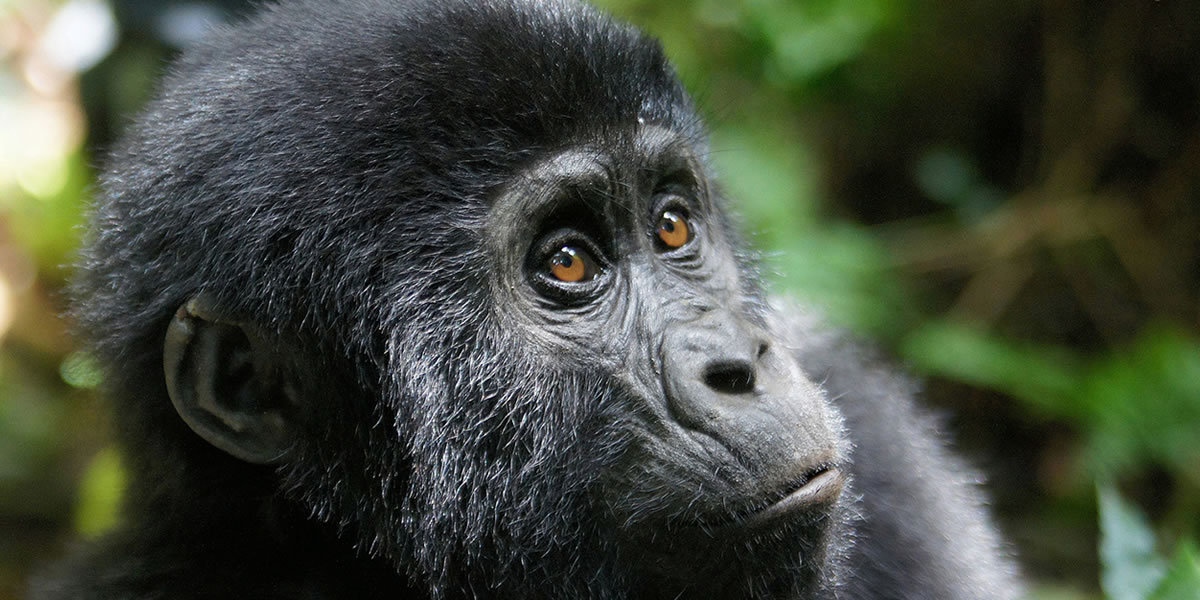
Why Bwindi Impenetrable National Park?
Bwindi isn’t just any forest; it’s one of the most biodiverse areas on the planet. The park spans 321 square kilometers of lush, dense rainforest, offering a habitat for over 120 mammal species, 350 bird species, and countless plants, trees, and insects. But the star attraction? The mountain gorillas. These gentle giants are a symbol of Uganda’s conservation success, and visiting them in Bwindi is an opportunity to be part of something extraordinary.
A Glimpse into Bwindi Impenetrable National Park’s Natural Beauty
Location and Landscape of Bwindi Impenetrable National Park
Bwindi Impenetrable National Park is situated in the southwestern corner of Uganda, near the border with the Democratic Republic of Congo. It lies in the Kigezi Highlands, a region known for its dramatic landscapes and lush, hilly terrain. The park is approximately 321 square kilometers in size and is nestled within the Albertine Rift, one of Africa’s most biodiverse regions.
Climate and Elevation:
The park’s elevation varies significantly, ranging from about 1,190 meters to 2,607 meters above sea level. This elevation creates a variety of microclimates within the park, contributing to its rich ecological diversity. The climate is typically tropical, with a mix of long and short rainy seasons and two distinct dry periods each year. These weather patterns shape the unique experience you’ll have when visiting Bwindi.
Forest and Vegetation of Bwindi Impenetrable National Park
Bwindi’s forest is one of the most ancient and biodiverse rainforests in Africa. The lush vegetation includes towering trees, vibrant ferns, and a thick canopy that is often veiled in mist. This setting not only adds to the park’s mystical charm but also provides a crucial habitat for its diverse wildlife.
A Biodiversity Hotspot at Bwindi Impenetrable National Park
One of the first things that will draw you to Bwindi is its incredible biodiversity. The park is home to nearly half of the world’s remaining mountain gorillas that is 459 mountain gorillas, which, in my opinion, is one of the most profound wildlife experiences you can have. Trekking through the dense forest, listening to the distant calls of the gorillas, and finally coming face-to-face with these gentle giants is an experience that’s hard to put into words.
But it’s not just the gorillas that make Bwindi special. The park is a sanctuary for other mammal species, including forest elephants, Bush backs, monkeys among others. Bird lovers will also find Bwindi to be a paradise, with more than 350 bird species recorded here. I was particularly enchanted by the Albertine Rift endemics like the African green broadbill and the handsome francolin—sightings that made my birdwatching experience unforgettable.
Conservation Efforts:
Bwindi’s status as a UNESCO World Heritage Site underscores its importance to global conservation. Since its establishment in 1991, the park has been at the forefront of efforts to protect the endangered mountain gorillas and their habitat. The dedication to conservation here is palpable, and it’s evident in the ongoing efforts to safeguard both the wildlife and the forest.
Bwindi Impenetrable National Park is more than just a destination; it’s an experience that stays with you long after you leave. Whether you’re drawn to its rich biodiversity, its role in conservation, or simply the beauty of its ancient forest, Bwindi offers something truly special. If you’re looking for a place where nature’s wonders unfold in every corner, Bwindi is a place you absolutely must experience.
ACTIVITIES IN THE BWINDI IMPENETRABLE NATIONAL PARK
- Gorilla Trekking: Discover the Magic of Gorilla Trekking in Bwindi Impenetrable National Park
Bwindi is home to 25 habituated gorilla families, spread across four sectors of the park: Buhoma, Ruhija, Rushaga, and Nkuringo. Each family has its own unique dynamics and personalities, offering a variety of experiences depending on which group you visit.
Trekking groups are limited to eight people per family per day, ensuring an intimate and responsible wildlife encounter. Whether you’re with the peaceful Mubare group in Buhoma or the adventurous Nkuringo group in the south, your time with these gorillas will be a memory of a lifetime.
How to Secure a Gorilla Trekking Permit at Bwindi Impenetrable National Park
A gorilla trekking permit is your ticket to this incredible experience and these permits are in high demand and should be booked well in advance, especially if you plan to visit during peak seasons. Your permit not only allows you to spend one unforgettable hour with a gorilla family but also contributes directly to their conservation and the support of local communities.
Preparing for Your Trek:
- Physical Fitness: Gorilla trekking can be physically demanding. The trek can take anywhere from 2 to 8 hours, depending on where the gorillas are located. Expect steep climbs, muddy paths, and dense vegetation. A good level of fitness will enhance your experience.
- What to Wear:Dress in long sleeves, long trousers, and sturdy hiking boots. The forest is often cool and damp, so layering is recommended. Don’t forget gaiters and gloves to protect against thorns and mud.
- What to Bring: Essentials include a rain jacket, water, snacks, and a camera with a good zoom lens. Remember, flash photography is not allowed to avoid disturbing the gorillas.
The Trekking Journey:
- Starting Your Day: Your adventure begins early with a briefing at the park headquarters. Here, you’ll learn about the gorilla family you’ll be visiting and the rules to ensure a safe and respectful encounter.
- The Trek: You’ll hike through Bwindi’s dense forest, led by experienced guides who know the terrain intimately. Along the way, they’ll share insights into the forest’s ecology and point out other wildlife. The trek itself is a thrilling journey through one of Africa’s most ancient rainforests.
- Gorilla Encounter:After tracking through the forest, you’ll finally come face-to-face with a gorilla family. For one precious hour, you’ll observe them in their natural environment playing, feeding, resting, and interacting. It’s a rare and profound connection with nature that you’ll never forget.
Post-Trek Reflections:
After your trek, you’ll return to the park headquarters, where you’ll receive a certificate of participation; a token of your unforgettable journey. Many visitors find that sharing their experiences with fellow trekkers at the lodge afterward adds to the joy of the day.
- Gorilla Habituation in Bwindi Impenetrable National Park
Gorilla habituation in Bwindi Impenetrable National Park is a unique experience that offers visitors the chance to spend up to four hours with mountain gorillas in the wild. Unlike regular gorilla trekking, where you spend one hour with a fully habituated gorilla family, the habituation experience involves visiting a gorilla group that is still getting used to human presence. This gives you a deeper and more intimate look into the daily lives of these incredible animals.
What is Gorilla Habituation?
Gorilla habituation is the process of gradually getting wild gorillas accustomed to human observers. It’s a careful, long-term effort led by researchers, trackers, and conservationists. Over time, the gorillas become comfortable with people being near them, making it possible for tourists to visit without disturbing them. For these wild gorillas to get fully used to people it takes about 3-4 years or even more.
The Experience of Gorilla Habituation in Bwindi Impenetrable National Park
- Duration: You get to spend up to four hours with the gorillas, giving you more time to observe their behavior, interactions, and social dynamics.
- Location: The gorilla habituation experience is primarily offered in the Rushaga sector of Bwindi.
- What You’ll See: Watch the gorillas as they feed, play, groom each other, and care for their young. You’ll learn about their behavior, family structure, and the challenges they face.
Why Choose Gorilla Habituation?
This experience is perfect for those who want a more in-depth encounter with mountain gorillas. It’s also ideal for wildlife enthusiasts, photographers, and anyone interested in learning more about gorilla conservation.
Permits for gorilla habituation are more expensive than regular trekking permits due to the extended time spent with the gorillas and they are limited as only a few permits are available each day, so it’s important to book well in advance. The maximum number of people taken to habituation are only four.
Why It’s Special
Gorilla habituation offers a deeper connection with these majestic creatures, allowing you to witness their natural behavior in a way that few people ever do. By participating, you’re also supporting important conservation efforts to protect the endangered mountain gorillas and their habitat.
Gorilla habituation in Bwindi is a once-in-a-lifetime experience that goes beyond the ordinary, providing a rare and unforgettable adventure in the heart of Africa.
Exploring the Four Sectors of Bwindi Impenetrable National Park
Bwindi Impenetrable National Park is divided into four sectors, each offering its own unique trekking experience:
- Buhoma Sector:
Located in northern Bwindi, Buhoma is the most accessible and popular sector. It was the first area where gorilla trekking was established, and it offers excellent accommodation options and well-maintained trails. The Mubare, Habinyanja, and Rushegura,Katwegorilla groups are all based here, making Buhoma a perfect choice for first-time visitors.
- Ruhija Sector:
For those seeking a more remote and peaceful experience, Ruhija in eastern Bwindi is ideal. The sector is known for its stunning scenery and rich birdlife. It’s home to the Oruzogo, Bitukura, and Kyaguriro gorilla groups, among others offering a more secluded trekking experience.
Situated in southern Bwindi, Rushaga boasts the highest number of habituated gorilla families, providing a variety of trekking options. The Nshongi, Bweza, Mishaya, Busingye, Tindantine, Bikingi, Mucunguzi, Kutu, Rwigyi and Kahungye groups reside here. Rushaga is also close to Lake Mutanda, where you can unwind with a boat ride after your trek.
- Nkuringo Sector:
If you’re up for a challenge, the Nkuringo sector in southwestern Bwindi offers some of the park’s most demanding treks. The steep terrain and high altitudes reward you with breathtaking views of the Virunga Volcanoes. The Nkuringo and Bushaho gorilla groups are based here, and the experience is well worth the effort.
Beyond Gorilla Trekking: Other Activities in Bwindi Impenetrable National Park
While gorilla trekking is the main attraction, Bwindi offers so much more. Here are some additional activities that can enhance your visit:
- Bird Watching in Bwindi Impenetrable National Park
For bird enthusiasts, Bwindi Impenetrable National Park is nothing short of a paradise. Renowned as one of the best birding destinations in Africa, Bwindi is home to an astonishing variety of bird species, including many that are endemic to the Albertine Rift. With over 350 species recorded in the park, birding in Bwindi offers a truly exceptional experience for both amateur and seasoned birdwatchers.
Why Bwindi Impenetrable National Park is a Birding Haven
Bwindi’s unique location in the Albertine Rift, combined with its varied altitudes and dense forest environment, creates ideal habitats for a wide range of bird species. The park’s ancient forest is a biodiversity hotspot, and its birdlife is a testament to this richness. Whether you’re strolling along the lower-altitude trails or hiking up into the montane areas, you’ll find yourself surrounded by the sights and sounds of the park’s vibrant avian residents.
Top Bird Species to Spot in Bwindi Impenetrable National Park
Some of the most sought-after birds in Bwindi include:
- African Green Broadbill: This rare and beautiful bird is one of the key species birdwatchers hope to spot in Bwindi. It’s endemic to the Albertine Rift and is often found in the Ruhija sector of the park.
- Ruwenzori Turaco:Known for its striking colors, the Rwenzori turaco is another highlight. Its vibrant plumage of green, blue, and red makes it a spectacular sight in the forest.
- Grauer’s Broadbill:Another Albertine Rift endemic, Grauer’s broadbill is a rare and elusive species. Bwindi is one of the few places in the world where you can find this bird, particularly in the Mubwindi Swamp area.
- Shelley’s Crimsonwing:Considered one of the rarest finches in the world, Shelley’s crimsonwing is a prized sighting for birders. The chance to see this bird alone draws many enthusiasts to Bwindi.
- Bar-tailed Trogon:This species is often spotted in the lower and mid-altitude areas of Bwindi. Its vibrant colors and distinct call make it a favorite among birdwatchers.
- Yellow-eyed Black Flycatcher:Another Albertine Rift endemic, this small but striking bird is typically found in the higher altitude regions of Bwindi.
Birding Hotspots in Bwindi Impenetrable National Park
Bwindi’s different sectors each offer unique birding experiences, making the park a diverse birding destination:
Buhoma Sector: Located in the northern part of the park, Buhoma is one of the most popular birding spots in Bwindi. The area offers a variety of trails where you can spot species like the African green broadbill, black bee-eater, and the colorful turacos.
Ruhija Sector: This area is a must-visit for serious birdwatchers. The Mubwindi Swamp, in particular, is famous for sightings of Grauer’s broadbill, Fraser’s eagle owl, and other rare species. The higher altitude also means you’ll encounter birds that prefer cooler, montane environments.
Rushaga and Nkuringo Sectors: While these sectors are better known for gorilla trekking, they also offer excellent birding opportunities. The mix of forest and open areas attracts a variety of species, including the dusky twinspot and strange weaver.
What to Expect During a Birding Expedition in Bwindi Impenetrable National Park
- Early Mornings and Late Afternoons:
The best times for birding in Bwindi are early in the morning and late in the afternoon, when birds are most active. These cooler parts of the day offer the best chances of spotting a wide variety of species, so be prepared for early starts.
To make the most of your birding experience, it’s essential to go with an experienced bird guide. Bwindi’s guides are highly knowledgeable and can help you identify even the most elusive species. They’re also familiar with the best spots in the park and can customize your birding expedition based on what you hope to see.
- Walking Trails and Habitats:
Biding in Bwindi involves walking along established trails, with some excursions taking you deeper into the forest or to specific birding sites like the Mubwindi Swamp. The park’s varied habitats mean you’ll encounter different bird communities as you move from one area to another.
- Birding and Conservation:
Bwindi’s birding experience is not just about ticking species off your list; it’s also an opportunity to learn about the conservation efforts that protect these species and their habitats. Many of the birds in Bwindi are threatened or endangered, making your sightings even more significant.
Why Birding in Bwindi Impenetrable National Park is Unmissable
Birding in Bwindi Impenetrable National Park is an immersive and rewarding experience that brings you closer to some of Africa’s most remarkable avian species. Whether you’re a dedicated birder or simply someone who enjoys the beauty of nature, the diversity and richness of Bwindi’s birdlife will captivate you. The chance to see rare and endemic species in their natural habitat makes Bwindi a bucket-list destination for anyone with an interest in birding.
- Nature Walks and Hiking in Bwindi Impenetrable National Park
For those looking to truly immerse themselved in the beauty and biodiversity of Bwindi Impenetrable National Park, then nature walks and hiking are activities you absolutely shouldn’t miss. These experiences offer a chance to explore the park’s ancient forest at a slower pace, allowing you to connect with the environment on a deeper level. Whether you’re an avid hiker or simply enjoy a leisurely stroll through nature, Bwindi’s trails provide something for everyone.
Why Go on a Nature Walk or Hike in Bwindi Impenetrable National Park?
Bwindi’s landscape is both breathtaking and diverse, making it an ideal destination for those who appreciate the wonders of the natural world. As you walk or hike through the park, you’ll encounter a range of ecosystems, from dense forests to open glades, each teeming with unique flora and fauna. The park is home to over 1,000 species of plants, 120 species of mammals, butterflies and over 350 bird species, many of which can be observed during these activities.
What to Expect on a Nature Walk or Hike in Bwindi Impenetrable National Park?
- Variety of Trails:
Bwindi offers a variety of trails that cater to different interests and fitness levels. Whether you’re up for a short, easy walk or a more challenging hike, there’s a trail for you. Some of the most popular trails include:
- Munyanga River Trail:Perfect for a short, gentle walk, this trail takes you along the Munyanga River, where you can enjoy the serene sound of flowing water and spot various birds and butterflies.
- Waterfall Trail: For those looking for a bit more adventure, the Waterfall Trail is a moderate hike that leads you through the forest to a stunning waterfall hidden deep within the park. Along the way, you’ll learn about the forest’s medicinal plants and see beautiful orchids and tree ferns.
- Rushura Hill Trail: This trail offers more of a challenge and rewards you with panoramic views of the Bwindi forest, the Virunga Volcanoes, and even the distant peaks of the Rwenzori Mountains on a clear day.
- Expert Guides:
All nature walks and hikes in Bwindi are conducted with the assistance of knowledgeable park guides. These guides are experts in the park’s ecology and are passionate about sharing their knowledge. As you walk, they’ll point out various plants, trees, and wildlife, providing fascinating insights into the forest’s intricate ecosystems.
- Bird Watching Opportunities:
Bwindi is a birder’s paradise, and a nature walk or hike is one of the best ways to experience its avian diversity. Keep your eyes and ears open for the park’s colorful birdlife, including the African green broadbill, the Rwenzori turaco, and many species endemic to the Albertine Rift. Your guide will help you spot and identify these beautiful creatures.
- The Tranquility of the Forest:
– One of the most remarkable aspects of hiking in Bwindi is the sense of peace and tranquility that envelops you as you move deeper into the forest. The sounds of the jungle—rustling leaves, distant bird calls, and the occasional monkey chatter—create a serene soundtrack to your walk. This is your chance to disconnect from the modern world and reconnect with nature in one of Africa’s oldest forests.
- Cultural Insights:
Some nature walks include visits to local communities or cultural sites within the park. This allows you to learn about the traditional ways of life of the people who live near the forest and how they interact with this unique environment. It’s a wonderful way to add a cultural dimension to your nature experience.
Why You Shouldn’t Miss This Activity in Bwindi Impenetrable National Park
Nature walks and hiking in Bwindi Impenetrable National Park offer a more intimate and relaxed way to experience the park’s natural beauty. Unlike gorilla trekking, which has a specific focus, these activities allow you to appreciate the forest as a whole, taking in its diverse landscapes, plants, and animals at your own pace. It’s an opportunity to explore parts of the park that are often overlooked and to gain a deeper understanding of its incredible biodiversity.
Whether you’re an avid hiker or simply someone who loves being in nature, these walks and hikes provide an enriching experience that complements the park’s more well-known attractions. And, of course, the fresh air, exercise, and stunning scenery are all bonuses that make this an activity you’ll remember long after you’ve left Bwindi.
Explore Bwindi’s diverse landscapes through a variety of trails. mountains and valleys.
- Cultural Encounters(Batwa Forest Experience) at the Bwindi Impenetrable National Park
Planning a visit to Bwindi Impenetrable National Park, one of the most enriching and unique activities you can engage in is the Batwa Forest Experience. This experience offers a rare glimpse into the ancient culture of the Batwa people, who were the original inhabitants of the Bwindi Forest. Known as “the Keepers of the Forest,” the Batwa have a deep connection with this land, and through this experience, you’ll gain insights into their traditional way of life, survival skills, and their deep-rooted knowledge of the forest.
Who Are the Batwa?
The Batwa are a semi-nomadic indigenous group, often referred to as pygmies, who lived in the Bwindi Forest for thousands of years. Their intimate relationship with the forest provided them with everything they needed; food, medicine, and shelter. However, when Bwindi Impenetrable National Park was established as a protected area in 1991, the Batwa were evicted from the forest to conserve the critically endangered mountain gorillas and other wildlife. The Batwa now live on the forest’s periphery, and the Batwa Forest Experience was created to preserve their culture and share it with the world.
What to Expect from the Batwa Forest Experience of Bwindi Impenetrable National Park
Guided Walk with Batwa Elders:
The experience begins with a guided walk through the forest, led by Batwa elders who share their deep knowledge of the forest’s resources. As you walk, you’ll learn about the plants and trees that were vital to the Batwa’s survival, used for medicine, food, and building materials. The elders’ stories and songs bring the forest to life, offering a unique perspective on the environment.
Traditional Hunting and Gathering Techniques:
During the walk, the Batwa will demonstrate their traditional hunting techniques, including how they used bows and arrows to hunt small animals. You’ll also see how they gathered honey, wild fruits, and roots for sustenance. This part of the experience highlights the Batwa’s resourcefulness and deep understanding of the forest ecosystem.
Visit to a Traditional Batwa Homestead:
You’ll have the opportunity to visit a recreated Batwa homestead, where you can see how they lived before their eviction from the forest. The homestead includes traditional grass-thatched huts, and you’ll learn about their cultural practices, family structures, and spiritual beliefs. The Batwa will demonstrate how they made fire using sticks, cooked using traditional methods, and performed rituals to honor their ancestors.
Cultural Dance and Music:
No Batwa experience would be complete without witnessing their vibrant cultural expressions. The Batwa are known for their lively music and dance, which play a central role in their social and religious life. You’ll be treated to a performance of traditional Batwa songs and dances, and you might even get a chance to join in. The music, made with handmade instruments, echoes through the forest and is an unforgettable part of the experience.
Interaction and Learning:
Throughout the experience, you’ll have the chance to interact with the Batwa, ask questions, and learn directly from them. This is a powerful opportunity to understand their history, the challenges they face today, and their ongoing efforts to preserve their culture.
Why the Batwa Forest Experience is Special in Bwindi Impenetrable National Park.
The Batwa Forest Experience is not just an activity, it’s a profound cultural exchange that offers visitors a deeper understanding of the human and ecological history of Bwindi. It’s a chance to see the forest through the eyes of its original inhabitants and to appreciate the Batwa’s knowledge and resilience. Moreover, by participating in this experience, you’re directly supporting the Batwa community, helping them to preserve their culture and improve their livelihoods.
For anyone visiting Bwindi Impenetrable National Park, the Batwa Forest Experience is a must. It adds a rich cultural dimension to your trip, complementing the natural wonders of the park and leaving you with a deeper connection to this extraordinary place.
- Community Visitsin Bwindi Impenetrable National Park
One of the most enriching aspects of visiting Bwindi Impenetrable National Park is the opportunity to engage with the local communities who live around the park. Community visits offer a unique way to understand the cultural tapestry of the region, providing insights into the lives, traditions, and resilience of the people who call this part of Uganda home. These experiences not only deepen your connection to the area but also contribute directly to the wellbeing of these communities, fostering sustainable tourism.
What to Expect During Community Visits in Bwindi Impenetrable National Park
- Meet the Bakiga and Batwa Communities:
The Bakiga and Batwa are the primary communities living around Bwindi. The Bakiga are primarily agriculturalists who have lived in the region for centuries, cultivating the fertile highlands. The Batwa, on the other hand, are the indigenous forest dwellers who once lived as hunter-gatherers in the Bwindi forest before it became a national park. Visiting these communities allows you to experience their distinct cultures and histories.
- Learn About Traditional Farming Practices:
In the Bakiga villages, you’ll have the chance to see and even participate in traditional farming activities. The Bakiga are known for their terraced farming techniques, which they use to cultivate crops on the steep hillsides surrounding Bwindi. You’ll learn about the various crops they grow, including bananas, sweet potatoes, and beans, and how they manage to sustain their livelihoods in this challenging terrain.
- Participate in Handicraft Workshops:
Many community visits include workshops where you can learn traditional crafts. The local artisans are skilled in making baskets, mats, and other items from natural materials found in the area. These workshops not only provide an opportunity to try your hand at crafting but also offer a way to support the community by purchasing handmade souvenirs.
- Experience Cultural Performances:
– One of the highlights of a community visit is the opportunity to enjoy traditional music and dance performances. The Bakiga are known for their energetic and rhythmic dances, often accompanied by drums and songs that tell stories of their history and way of life. The Batwa, with their rich oral traditions, also share their songs and dances, which reflect their deep connection to the forest.
- Visit Local Schools and health centers :
Some community visits include stops at local schools and health centers, where you can learn about the challenges and achievements of these communities. Visiting these institutions provides a clearer picture of the everyday lives of the people in Bwindi, including their efforts to improve education and healthcare despite limited resources.
Why Community Visits Are Important in Bwindi Impenetrable National Park
By participating in community visits, you’re directly contributing to the local economy. The fees for these visits go towards community development projects, including education, healthcare, and infrastructure. This ensures that the benefits of tourism are shared with the people who live near the park, making it a sustainable model for both conservation and community development.
- Promote Cultural Exchange:
Community visits offer a rare opportunity for cultural exchange. As a visitor, you get to learn about the customs, beliefs, and daily lives of the people in Bwindi, while also sharing your own culture and experiences. This exchange fosters mutual understanding and respect, which is essential in a world that’s increasingly interconnected.
- Enhance Conservation Efforts:
The success of Bwindi Impenetrable National Park’s conservation efforts is closely tied to the wellbeing of the surrounding communities. By supporting community-based tourism, you’re helping to create a positive relationship between the park and its neighbors, which is crucial for the long-term protection of the park’s biodiversity.
- Deepen Your Travel Experience:
Visiting Bwindi isn’t just about seeing the incredible wildlife; it’s also about connecting with the people who live in this extraordinary environment. Community visits add depth to your travel experience, allowing you to leave with not just memories of the natural beauty, but also a genuine appreciation for the human stories that are interwoven with the landscape.
Community visits in Bwindi Impenetrable National Park offer a profound and meaningful way to engage with the local culture while supporting the people who live in this remarkable part of Uganda. These visits are more than just a tourist activitythey are a way to make a positive impact, enrich your understanding of the region, and contribute to the ongoing success of both conservation and community development efforts in Bwindi. Whether you’re learning to craft traditional baskets, dancing to the rhythms of the Bakiga, or listening to the ancient stories of the Batwa, you’ll come away with a deeper connection to the land and its people.
Best Time to Visit Bwindi Impenetrable National Park
The best time to visit Bwindi for gorilla trekking is during the dry seasons, from June to September and December to February. These months offer more manageable trekking conditions, with less mud and lower chances of rain. However, Bwindi’s rainforest climate means that it can rain at any time, so it’s always good to be prepared. Visiting during the wet seasons (March to May and October to November) can be a great option if you prefer fewer crowds and don’t mind the occasional downpour.
ACCOMMODATION IN BWINDI IMPENETRABLE NATIONAL PARK
Bwindi Impenetrable National Park offers a range of accommodation options across its four sectors—Buhoma, Ruhija, Rushaga, and Nkuringo. Each sector provides unique experiences, with lodges that cater to different tastes and budgets. Here’s a brief overview of some of the top luxury and mid-range lodges in each sector.
Buhoma Sector
Nestled on the edge of the forest, Bwindi Lodge offers luxurious bandas with stunning views of the misty forest. The lodge is renowned for its excellent service, eco-friendly design, and opportunities to spot gorillas from the comfort of your veranda.
- Sanctuary Gorilla Forest Camp (Luxury)
Sanctuary Gorilla Forest Camp offers a luxurious and exclusive experience in Buhoma. Nestled in the heart of the rainforest, this high-end lodge provides spacious, elegant tents with en-suite bathrooms and stunning views of the lush forest. The camp features a comfortable lounge area, a dining tent, and a well-stocked bar. Guests can enjoy personalized service and exceptional amenities, including guided gorilla treks, bird watching, and nature walks.
- Mahogany Springs Lodge (Luxury)
Mahogany Springs offers a tranquil setting with spacious suites, each with private terraces overlooking the Munyanga River. The lodge combines comfort with a close connection to nature, making it a favorite for those seeking a serene and luxurious stay.
Situated within walking distance from the park headquarters, Buhoma Lodge offers cozy, eco-friendly cottages with stunning views of the forest canopy. The lodge is known for its warm hospitality and commitment to sustainability.
Engagi Lodge is a mid-range lodge offering a blend of comfort and adventure. Situated on a hill with panoramic views of the forest, the lodge provides well-appointed cottages with private balconies. Each cottage is designed to blend with the natural environment and includes an en-suite bathroom. Engagi Lodge offers a cozy atmosphere, with amenities like a dining area, lounge, and bar. Guests can participate in gorilla trekking, forest walks, and local community visits.
– Haven Lodge provides a comfortable and affordable option without compromising on quality. The cottages offer beautiful views of the surrounding landscape, and the lodge’s location makes it convenient for early morning treks.
- Silverback Lodge (Mid-Range)
Perched on a hillside, Silverback Lodge offers panoramic views of Bwindi Forest. The lodge is known for its friendly service and proximity to the Buhoma trailhead, making it an excellent mid-range option.
- Buhoma Community Rest Camp (Budget)
Buhoma Community Rest Camp provides a more budget-friendly, community-focused option. This camp is run by the local community, offering a chance to experience authentic local hospitality. The accommodation consists of simple, comfortable bandas and tents with shared facilities. The rest camp has a communal dining area where guests can enjoy traditional meals and engage with the local culture. The camp is ideally located for gorilla trekking and forest walks.
- Gorilla Bluff Lodge (Budget)
Gorilla bluff Lodge is a ccharming budget option located in a scenic area with breathtaking views of the surrounding forest. The lodge features cozy, well-furnished rooms with private bathrooms and balconies. Guests can enjoy meals at the on-site restaurant and relax in the lounge area. The lodge provides easy access to gorilla trekking and other activities in the Buhoma sector, offering a comfortable and inviting base for exploring the park.
It offers a unique and intimate experience in Buhoma. This eco-friendly lodge provides a range of accommodation options, from luxury tents to comfortable cottages, all with private bathrooms and beautiful views of the forest. The lodge features a restaurant, bar, and lounge area where guests can unwind after a day of adventure. Rafiki Lodge is known for its personalized service and close proximity to gorilla trekking starting points.
Ruhija Sector
- Clouds Mountain Gorilla Lodge (Luxury)
Clouds Lodge is the epitome of luxury in Ruhija, offering spacious stone cottages with fireplaces and sweeping views of the Virunga Volcanoes. The lodge’s exclusive setting and personalized service make it ideal for a high-end, private experience.
Bakiga Lodge offers comfortable, budget-friendly accommodations with stunning views over the forested hills of Bwindi. The lodge’s simplicity is complemented by its warm atmosphere and commitment to supporting local community projects.
- Gorilla Mist Camp (Mid-Range)
Located near the Ruhija gorilla trekking point, Gorilla Mist Camp provides comfortable, rustic accommodations. The camp is known for its friendly staff and close proximity to the gorilla trekking trails.
Rushaga Sector
- Gorilla Safari Lodge (Luxury)
Gorilla Safari Lodge is a luxury retreat located just minutes from the Rushaga trailhead. The lodge offers spacious, en-suite cottages with modern amenities, perfect for relaxation after a day of trekking.
- Four Gorillas Lodge (Luxury)
This eco-friendly lodge offers luxurious cottages with a focus on sustainability. Guests can enjoy the serene forest views and the lodge’s close proximity to gorilla trekking starting points.
- Ichumbi Gorilla Lodge (Mid-Range)
Ichumbi Gorilla Lodge is a well-established mid-range option offering cozy cottages with stunning views of the surrounding hills. The lodge is conveniently located near the Rushaga trailhead and provides excellent value for money.
- Rushaga Gorilla Camp (Mid-Range)
Situated near the park’s edge, Rushaga Gorilla Camp offers comfortable and affordable accommodation with stunning views of the forest. The camp is ideal for those seeking a balance between comfort and affordability.
Nkuringo Sector
- Nkuringo Bwindi Gorilla Lodge (Luxury)
Perched on a ridge with breathtaking views of the Virunga Volcanoes and Bwindi Forest, Nkuringo Bwindi Gorilla Lodge offers luxury cottages and personalized service. The lodge is perfect for those looking for a secluded, high-end experience.
- Clouds Mountain Gorilla Lodge (Luxury)
While also accessible from Ruhija, Clouds Lodge is closest to Nkuringo and offers the same luxury experience with a focus on privacy and exclusivity. The lodge’s location on the park’s southern boundary makes it ideal for gorilla trekkers in Nkuringo.
- Mutanda Lake Resort (Mid-Range)
Although a bit farther from Nkuringo, Mutanda Lake Resort offers mid-range accommodations with stunning views of Lake Mutanda and the Virunga Volcanoes. The resort is ideal for those combining gorilla trekking with lake-based activities.
- Nkuringo Gorilla Camp (Mid-Range)
Nkuringo Gorilla Camp offers affordable, rustic accommodations with easy access to the Nkuringo trailhead. The camp’s friendly atmosphere and stunning views make it a popular choice among trekkers.
These lodges and camps offer a variety of experiences, from luxury retreats to comfortable mid-range options, ensuring that every visitor to Bwindi Impenetrable National Park finds the perfect place to rest and recharge after a day of adventure.
Tips for successful travel at Bwindi Impenetrable National Park
Visiting Bwindi Impenetrable National Park is a once-in-a-lifetime experience that offers the chance to explore one of Africa’s most biodiverse and stunning environments. Whether you’re planning to trek for mountain gorillas, hike through ancient forests, or engage with local communities, it’s essential to be well-prepared. Here are some valuable tips to help you make the most of your visit to Bwindi:
- Plan Ahead and Book Early
Bwindi is a popular destination, especially for gorilla trekking, and permits are limited. It’s crucial to book your gorilla trekking permit well in advanceideally 6 months to a year before your trip. This ensures that you secure a spot on your preferred trekking date and sector. Accommodation options, particularly luxury lodges, also fill up quickly, so booking early is key to getting your desired lodging.
- Proper Gear:
Invest in good quality hiking boots with ankle support, as the trails can be steep and slippery, especially in the rainy season. Wear moisture-wicking clothes, and pack a lightweight rain jacket, as the weather can change quickly. Don’t forget a hat, sunscreen, and insect repellent.
A walking stick is invaluable during the trek, especially on steep or muddy terrain. These are usually provided by the park or your lodge, but you can bring your own if you prefer.
- Respect the Wildlife
Gorilla Etiquette:When you’re with the gorillas, it’s important to maintain a safe distance of at least 7 meters and must have a face mask. Avoid direct eye contact, stay calm, and follow the instructions of your guide at all times. Gorillas are wild animals, and respecting their space helps to protect both them and you.
Photography: Flash photography is prohibited as it can disturb the animals. Use a camera with a good zoom lens to capture close-up shots without getting too close. Remember to turn off the flash before you start taking pictures.
- Be Prepared for the Weather
Bwindi’s climate is generally cool and misty, with temperatures ranging between 7°C (45°F) and 20°C (68°F). The park receives significant rainfall, particularly during the wet seasons (March to May and September to November). While gorilla trekking is possible year-round, the trails can be muddy and challenging during the rainy season, so pack accordingly.
- Engage with Local Communities
Bwindi’s surrounding communities offer rich cultural experiences that can greatly enhance your visit. Consider participating in activities like the Batwa Forest Experience, visiting local craft markets, or taking part in traditional dance performances. These interactions not only provide insight into local cultures but also support community-based tourism initiatives.
- Health and Safety Considerations
Ensure that you are up-to-date on routine vaccinations and consider getting vaccines for hepatitis A, typhoid, and yellow fever, depending on your travel history. Anti-malaria medication is also recommended, as Uganda is a malaria-endemic country.
Gorilla Trekking Permits: Before embarking on a gorilla trek, you’ll need to provide proof of good health to avoid transmitting illnesses to the gorillas. If you’re feeling unwell, it’s important to inform your guide, as the gorillas are susceptible to human diseases.
Hydration and Snacks: Bring plenty of water and high-energy snacks for the trek. Staying hydrated is crucial, especially at higher altitudes, and snacks will keep your energy levels up during the hike.
The local currency is the Ugandan Shilling (UGX), but US dollars are widely accepted, especially for larger transactions like paying for lodges or permits. It’s advisable to carry some Ugandan Shillings for smaller purchases or tips. Credit cards are accepted at some lodges, but it’s always a good idea to have cash on hand, particularly in remote areas.
These tips should help you prepare for a smooth and enjoyable visit to Bwindi Impenetrable National Park. With the right preparation and a spirit of adventure, your time in Bwindi will be an unforgettable journey into one of Africa’s most extraordinary wild places.
Your Gateway to an Unforgettable Experience
Bwindi Impenetrable National Park is more than just a destination, it’s a journey into the heart of Africa’s most captivating wilderness. From the thrill of encountering mountain gorillas to the serenity of its ancient forests, Bwindi offers a rare blend of adventure, culture, and natural beauty. Whether you’re trekking through the misty mountains, connecting with local communities, or simply soaking in the breathtaking scenery, Bwindi promises an experience that will leave you deeply moved and inspired.
So why wait? Come and explore the magic of Bwindi Impenetrable National Park. Let the enchanting landscapes, rich biodiversity, and warm hospitality of Uganda create memories that will stay with you forever. Your adventure in Bwindi is not just a trip it’s a lifetime experience waiting to be embraced.